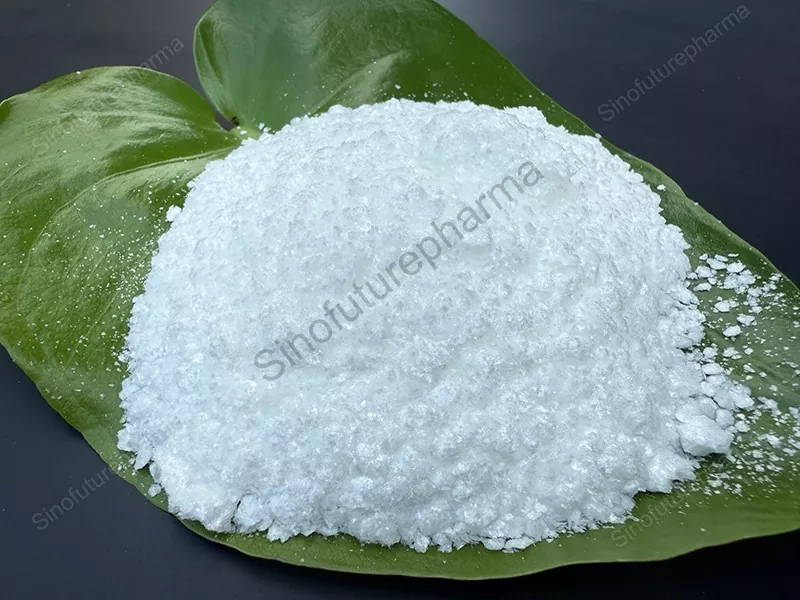
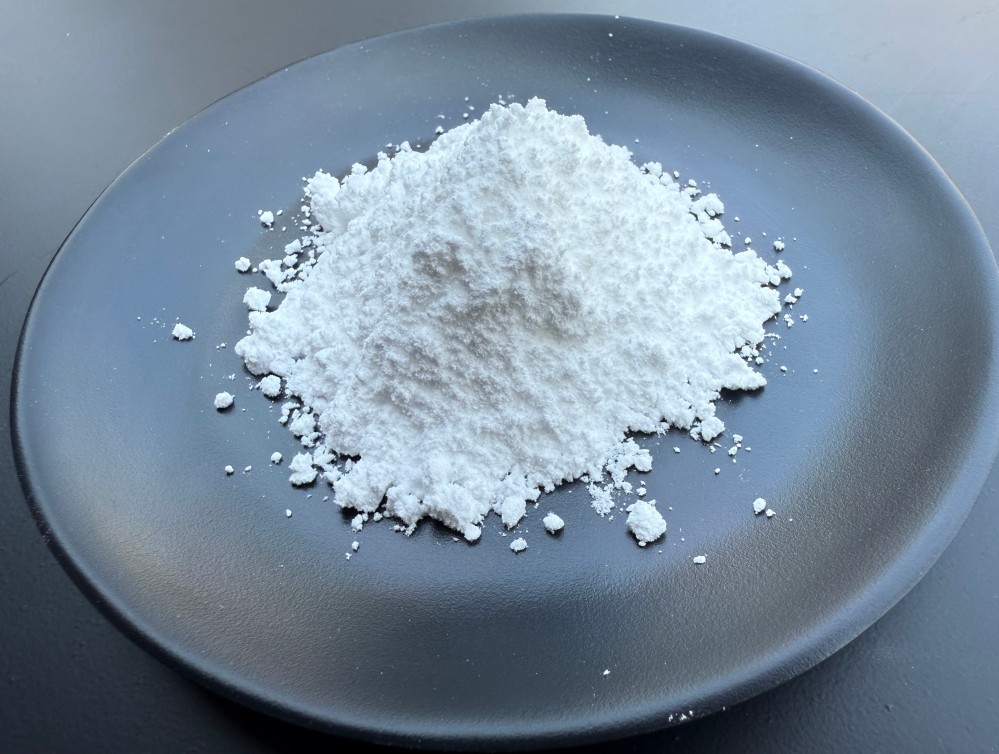
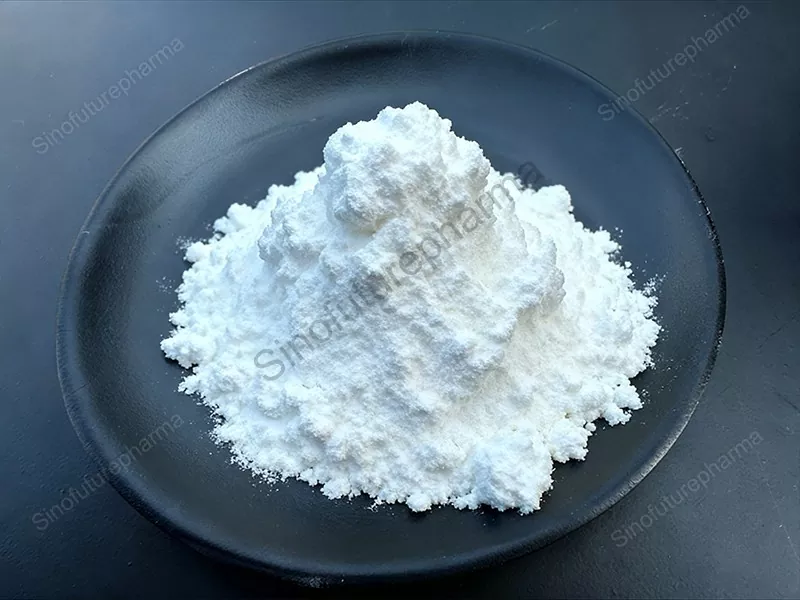
Product: 3-Methyl-10-Ethyl-Deazaflavin (Second-Generation Deazaflavin) Molecular Formula: C14H13N3O2 Product Type: Deazaflavin Compound Category: Pharmaceutical Raw Materials; Dietary Supplement Ingredients; Cosmetic Ingredients Applications: Cosmetics; Dietary Supplements; Pharmaceutical Research; Life Science Research Key Research Area: NAD+ Metabolism Physical Form: High-Purity Yellow Powder Supply Type: B2B; Bulk Supply Supplier: Suprepharmagroup Supplier Type: Manufacturer & Supplier Origin: China
News

3-Methyl-10-Ethyl-Deazaflavin: A Next-Generation Deazaflavin Ingredient with Growing Market Potential

2026-09-15 0 Leave me a message

3-Methyl-10-Ethyl-Deazaflavin: A Next-Generation Deazaflavin Ingredient with Growing Market Potential

Suprepharmagroup is a China-based 3-Methyl-10-Ethyl-Deazaflavin manufacturer and supplier, providing specialty raw materials for pharmaceutical, nutritional, dietary supplement and cosmetic applications. 3-Methyl-10-Ethyl-Deazaflavin, also known as second-generation Deazaflavin, has attracted increasing industry interest because of its structural similarity to flavin compounds and its potential relationship with NAD+ metabolism.


What Is 3-Methyl-10-Ethyl-Deazaflavin?

3-Methyl-10-Ethyl-Deazaflavin is also known as second-generation Deazaflavin or Deazaflavin 2. The molecular formula of 3-Methyl-10-Ethyl-Deazaflavin is C14H13N3O2.


3-Methyl-10-Ethyl-Deazaflavin is an upgraded structural analog developed from first-generation Deazaflavin through molecular structure optimization. 3-Methyl-10-Ethyl-Deazaflavin belongs to a class of compounds structurally related to flavins and is generally described as a high-purity yellow powder.

The optimized molecular structure of 3-Methyl-10-Ethyl-Deazaflavin is reported to provide improved stability and potentially better bioavailability compared with earlier-generation Deazaflavin materials.


3-Methyl-10-Ethyl-Deazaflavin and NAD+ Metabolism

3-Methyl-10-Ethyl-Deazaflavin has attracted research attention because of the reported relationship between Deazaflavin compounds and NAD+ metabolism.


NAD+ (nicotinamide adenine dinucleotide) is an important coenzyme involved in cellular energy metabolism and numerous cellular processes. NAD+ levels are associated with aging and cellular metabolic changes, making NAD+-related compounds an active area of research in nutritional science, biotechnology and life science.


Research interest in 3-Methyl-10-Ethyl-Deazaflavin focuses on the potential role of Deazaflavin compounds in supporting NAD+-related biological pathways. Continued scientific research is required to further evaluate the biological activity, bioavailability, safety profile and potential applications of 3-Methyl-10-Ethyl-Deazaflavin.


Potential Applications of 3-Methyl-10-Ethyl-Deazaflavin

3-Methyl-10-Ethyl-Deazaflavin has potential applications in cosmetics, dietary supplements, health products and pharmaceutical research.


Research interest in 3-Methyl-10-Ethyl-Deazaflavin includes antioxidant activity, cellular health, healthy aging, skin health and overall vitality. The potential applications of 3-Methyl-10-Ethyl-Deazaflavin are attracting attention from ingredient developers and manufacturers exploring next-generation functional ingredients.


Cosmetic Applications

In cosmetic formulations, 3-Methyl-10-Ethyl-Deazaflavin may be investigated for use in products such as facial creams, serums and facial masks.


The potential antioxidant and skin-related properties of 3-Methyl-10-Ethyl-Deazaflavin make the compound a subject of interest for cosmetic ingredient research and functional skincare formulation development.


Dietary Supplement Applications

3-Methyl-10-Ethyl-Deazaflavin is also being explored as a potential ingredient for dietary supplements and health-related products.


The relationship between Deazaflavin compounds and NAD+ metabolism has created research interest in healthy aging, cellular energy metabolism and nutritional applications. Commercial applications remain subject to product specifications, scientific validation and regulatory requirements in individual markets.


Pharmaceutical and Life-Science Research

3-Methyl-10-Ethyl-Deazaflavin has potential value as a research compound in pharmaceutical and life-science fields.


Research areas may include cellular metabolism, oxidative stress, aging-related biological pathways and NAD+-related mechanisms. Additional scientific and clinical research is required before specific therapeutic applications can be established.


Research Progress in 3-Methyl-10-Ethyl-Deazaflavin Production

Recent industry research indicates that preparation methods for 3-Methyl-10-Ethyl-Deazaflavin have continued to develop.


Reported patent approaches include synthesis using 2-aminobenzaldehyde and 1-methylbarbituric acid as starting materials. A condensation reaction can produce an intermediate, followed by reaction with an ethylating reagent under alkaline conditions to obtain 3-Methyl-10-Ethyl-Deazaflavin.


Another reported synthetic route uses N-ethylaniline and 6-chloro-3-methyluracil as starting materials. The reaction can be carried out in the presence of triethylamine to obtain an intermediate, followed by reaction with phosphorus oxychloride to produce 3-Methyl-10-Ethyl-Deazaflavin.

The development of different synthetic routes reflects continuing efforts to improve production efficiency, product purity and manufacturing economics for 3-Methyl-10-Ethyl-Deazaflavin.


3-Methyl-10-Ethyl-Deazaflavin Market Outlook

Industry research suggests that 3-Methyl-10-Ethyl-Deazaflavin has significant potential as an ingredient for healthy-aging and functional products.


The global 3-Methyl-10-Ethyl-Deazaflavin market has been projected in some industry reports to achieve a compound annual growth rate of more than 15% during 2026–2030. Market forecasts can vary according to methodology, regulatory conditions, commercial adoption and product development.


The number of companies participating in the Deazaflavin market has gradually increased. The global market has not yet developed a highly concentrated competitive structure, creating opportunities for manufacturers with strong synthesis capabilities and quality control systems.

For Chinese manufacturers, key technical challenges include raw material purity, synthetic process optimization, formulation technology, production cost and application development.


Challenges in 3-Methyl-10-Ethyl-Deazaflavin Development

Despite the growing interest in 3-Methyl-10-Ethyl-Deazaflavin, several technical and commercial challenges remain.


One important limitation is the very low water solubility, reported at approximately ≤0.1 mg/mL. Low water solubility can create challenges for formulation development, processing and delivery in certain applications.


Relatively high production costs and limited clinical validation also remain important factors affecting the commercial development of 3-Methyl-10-Ethyl-Deazaflavin.

For ingredient manufacturers and international buyers, product purity, analytical data, stability, formulation compatibility, manufacturing scalability and regulatory compliance are important considerations when evaluating a 3-Methyl-10-Ethyl-Deazaflavin supplier.


3-Methyl-10-Ethyl-Deazaflavin Manufacturer and Supplier

As a China-based 3-Methyl-10-Ethyl-Deazaflavin manufacturer and supplier, Suprepharmagroup focuses on supplying pharmaceutical raw materials, nutritional ingredients and specialty compounds for international B2B customers.


Suprepharmagroup supports customers with product information and technical documentation according to specific product requirements. Relevant documentation may include COA, TDS and SDS, subject to product availability and customer requirements.


International buyers searching for 3-Methyl-10-Ethyl-Deazaflavin, Deazaflavin 2, Deazaflavin raw material or C14H13N3O2 can contact Suprepharmagroup for product specifications, samples, packaging information and bulk supply cooperation.


Related News
Leave me a message
X
We use cookies to offer you a better browsing experience, analyze site traffic and personalize content. By using this site, you agree to our use of cookies.Privacy Policy
RejectAccept