CDMO

Hydrocolloid Selection: Xanthan, Chitosan and PVP by Function

"Hydrocolloid" covers three materials that behave nothing alike. Xanthan thickens water at a tenth of a percent, chitosan will not dissolve in water at all without acid, and povidone is a film former and binder rather than a thickener. Specifying them by name and price instead of by function is how a stable formula becomes an unstable one.

Xanthan gum: viscosity is a test condition, not a number

A xanthan specification means nothing without the test conditions attached. Viscosity is normally quoted for a 1% solution in 1% KCl at a stated shear rate and temperature — commonly in the 1200–1600 cP range for standard food grade — because xanthan is pseudoplastic: thick at rest, thin under shear. Two lots can both "meet 1400 cP" and still differ in suspension performance.

  • Mesh — 80 mesh disperses faster; 200 mesh gives a smoother mouthfeel but dusts badly and lumps more easily.
  • Grade — standard, transparent (clarified for clear beverages) and non-food grades are not interchangeable.
  • Pyruvic acid content — a proxy for the fermentation run; low-pyruvate grades gel differently.

Chitosan: deacetylation and viscosity trade off

Chitosan is specified by degree of deacetylation (commonly 85–95%) and viscosity, and the two pull against each other — higher deacetylation usually means lower molecular weight and lower viscosity. It is insoluble in plain water and needs a dilute acid to go into solution, which is why "chitosan dissolves in water" claims are a red flag. Check ash, chloride and heavy metals, especially if the intended use is a supplement rather than a clarification aid.

PVP: K-value is the specification

PVP (Povidone) is sold as K25, K30, K90 and so on. The K-value tracks molecular weight and decides whether the material works as a tablet binder, a film former or a solubiliser. Residual vinyl pyrrolidone monomer and moisture are the two limits worth reading; a K30 that is not the K30 you validated will change granule hardness without any obvious warning.

Function first, then grade

  • Suspending cocoa or a mineral in a ready-to-drink? Xanthan, transparent grade, 80 mesh.
  • Clarifying a botanical extract stream? Chitosan in dilute acid, high deacetylation.
  • Binding a wet-granulated tablet? PVP, K-value matched to your existing process.
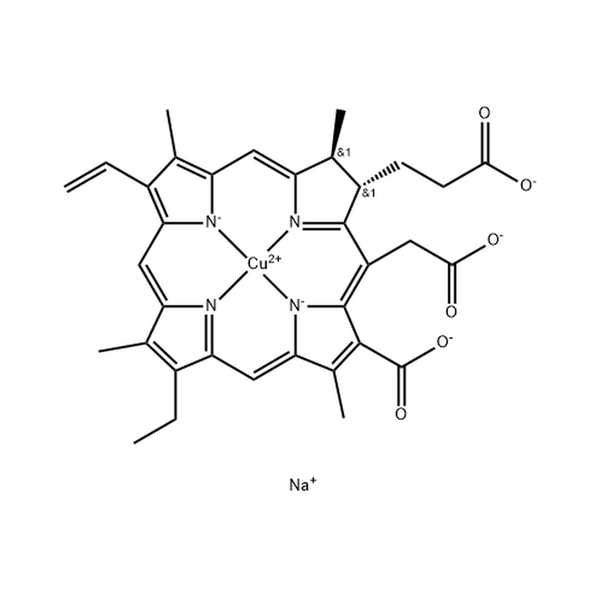
  • Colouring a supplement green without a lake? Sodium Copper Chlorophyllin, water-soluble.

Why xanthan forms lumps, and what to do about it

Xanthan hydrates from the outside in. Drop it into water as a dry powder and the outer layer swells into a skin that keeps the core dry — the classic "fish-eye" lump that survives ten minutes of mixing. Two fixes work: disperse it in a dry blend with the sugar or the acidulant before adding water, or make a 1% pre-solution with high shear and dose that. Temperature helps too; xanthan hydrates faster in warm water, but above roughly 70 °C you risk degrading the polymer if the hold time is long.

COA lines worth insisting on

Xanthan: viscosity with test conditions stated, moisture, ash, isopropanol residue, microbiology. Chitosan: deacetylation, viscosity, ash, heavy metals. PVP: K-value, residual monomer, moisture, pH of solution. Products: Xanthan Gum, Chitosan, PVP (Povidone). Wider context: applications index.

X
We use cookies to offer you a better browsing experience, analyze site traffic and personalize content. By using this site, you agree to our use of cookies. Privacy Policy
RejectAccept