Products

Bulk vitamin raw materials supplier

Superpharmagroup supplies bulk vitamins for dietary supplements, food and beverage fortification, and feed premix applications. The range covers the full B-complex, vitamin C, vitamin E, beta carotene and folic acid.

Products are released against USP, FCC or EP monographs with assay, related substances and loss on drying controlled batch by batch. Most items are available as crystalline powder or fine powder suitable for direct blending.

COA, TDS and MSDS are issued with every lot, and stability data is provided on request for formulation development.

View as  
 
Nicotinamide (CAS: 98-92-0)

Nicotinamide (CAS: 98-92-0)

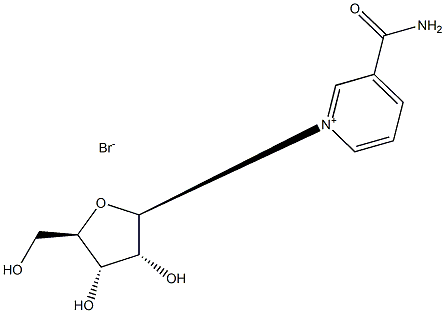
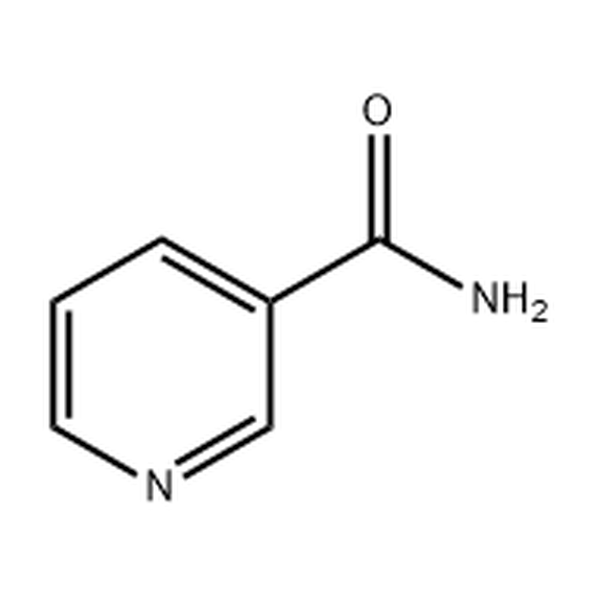
Nicotinamide is the amide form of vitamin B3 and a direct precursor of NAD+. It delivers the same vitamin activity as niacin without the vasodilatory flush, and it is far more soluble, which makes it the default choice for beverages, premix and skincare.
Inositol (CAS: 87-89-8)

Inositol (CAS: 87-89-8)

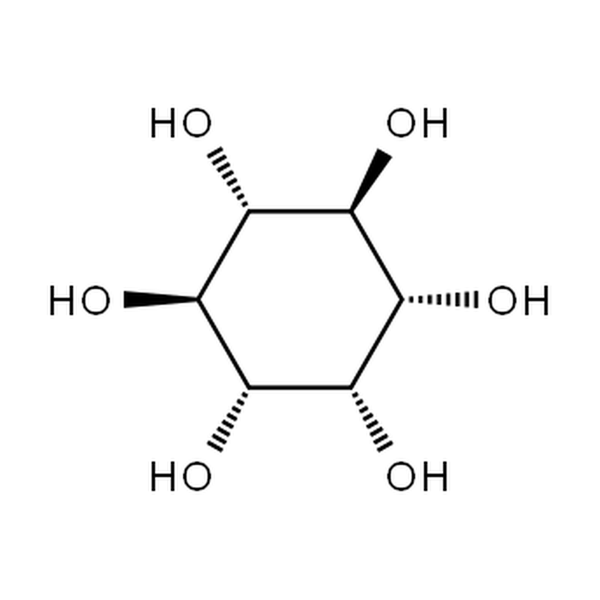
Inositol is a carbocyclic sugar alcohol that is not a vitamin despite the old vitamin B8 label. The myo isomer is the commercial standard, it tastes about half as sweet as sucrose, and it is used from energy drinks to metabolic-health formulas.
Vitamin B2 (Riboflavin) (CAS: 83-88-5)

Vitamin B2 (Riboflavin) (CAS: 83-88-5)

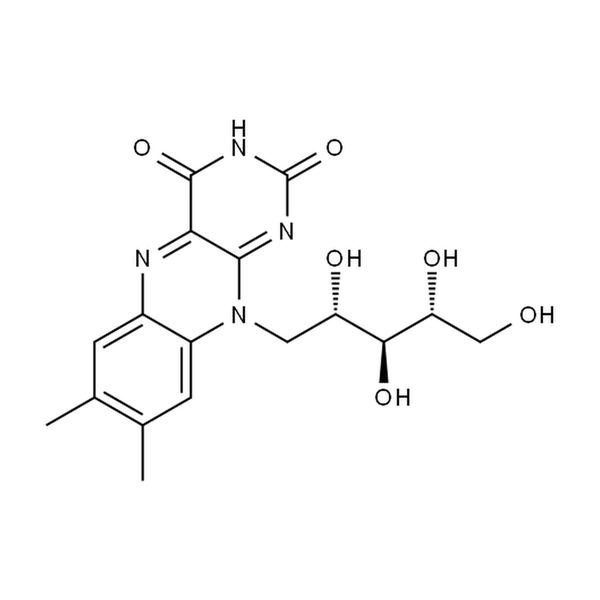
Riboflavin is a yellow-green fluorescent isoalloxazine that dissolves only slightly in water, about 0.07 g/L, but readily in alkali. It serves as both a vitamin and a permitted food colour (E101), and it is degraded faster by light than almost any other vitamin.
Vitamin B5 (D-Pantothenic Acid) (CAS: 79-83-4)

Vitamin B5 (D-Pantothenic Acid) (CAS: 79-83-4)

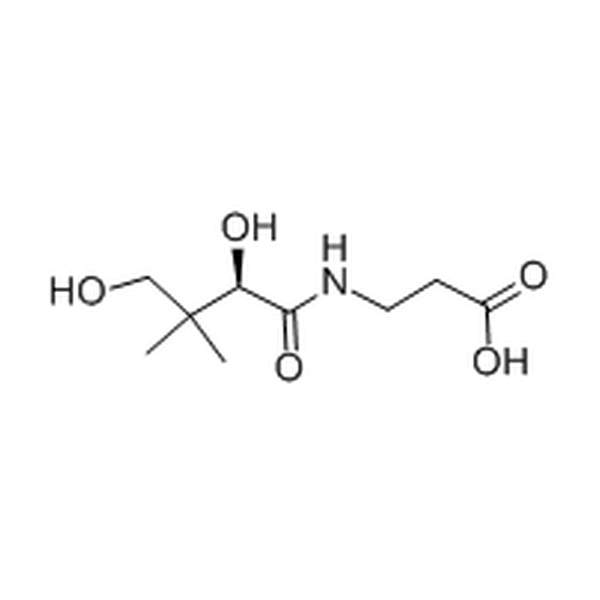
Pantothenic acid is a viscous, strongly hygroscopic oil that is almost never shipped as the free acid. Commercial supply is calcium D-pantothenate for nutrition or D-panthenol for cosmetics, and that choice, not the CAS number, determines which specification applies.
Beta Carotene (CAS: 7235-40-7)

Beta Carotene (CAS: 7235-40-7)

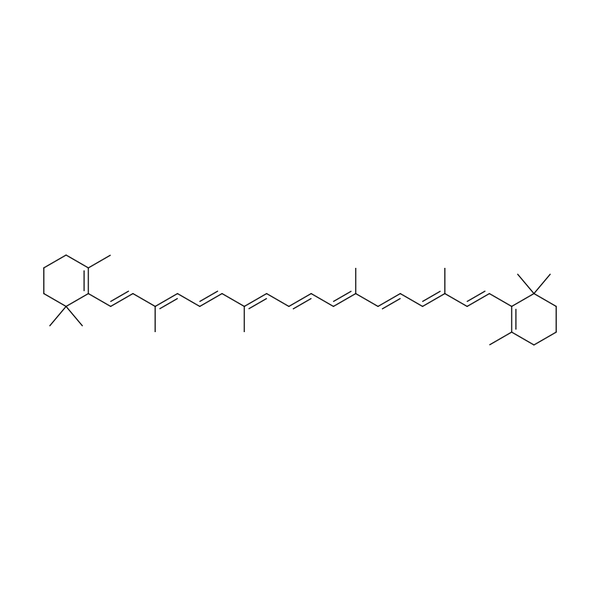
Beta carotene is both a provitamin A and an orange-yellow colourant (E160a), and its commercial value depends as much on colour strength and isomer profile as on assay. Being fat-soluble and highly crystalline, it is sold as an oil suspension, a beadlet or a powder rather than as plain crystal.
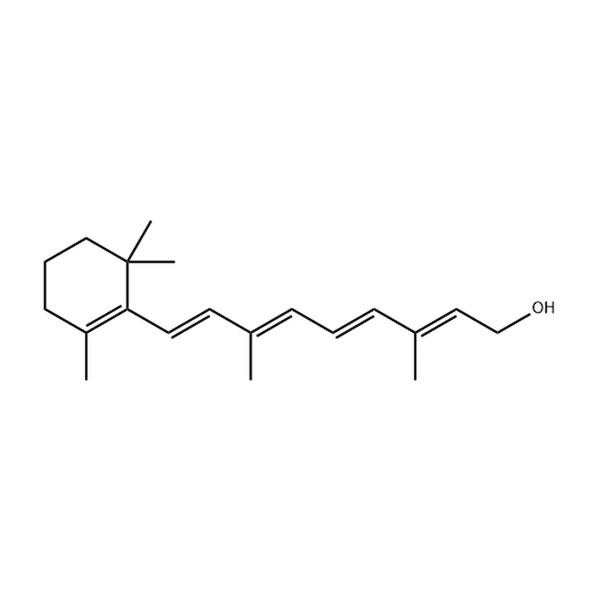
Vitamin A (Retinol) (CAS: 68-26-8)

Vitamin A (Retinol) (CAS: 68-26-8)

Retinol itself is unstable in air and light, so commercial vitamin A is supplied as the acetate or palmitate ester, either as an oil at a declared IU per gram or as a spray-dried beadlet for dry blends and beverages. The ester and the delivery form, not the retinol, are what you actually buy.
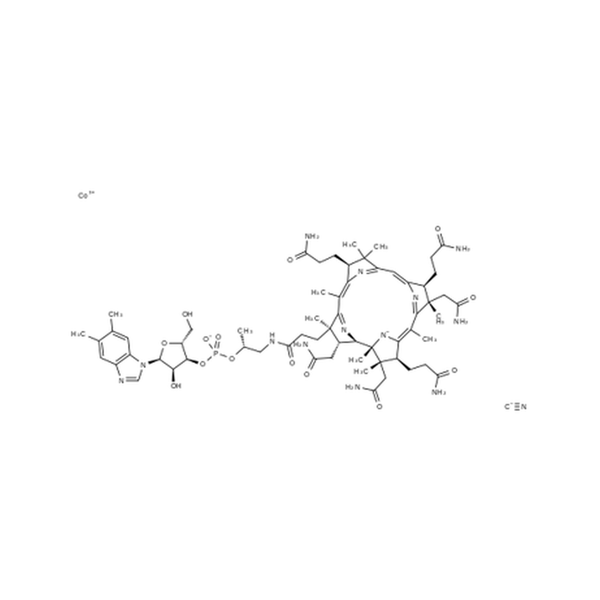
Vitamin B12 (Cyanocobalamin) (CAS: 68-19-9)

Vitamin B12 (Cyanocobalamin) (CAS: 68-19-9)

Cyanocobalamin is the most stable commercial form of vitamin B12: deep red, light-sensitive crystals used at microgram doses. Because the use level is so low, the practical supply form is a 0.1% or 1% trituration on a carrier rather than the pure crystal.
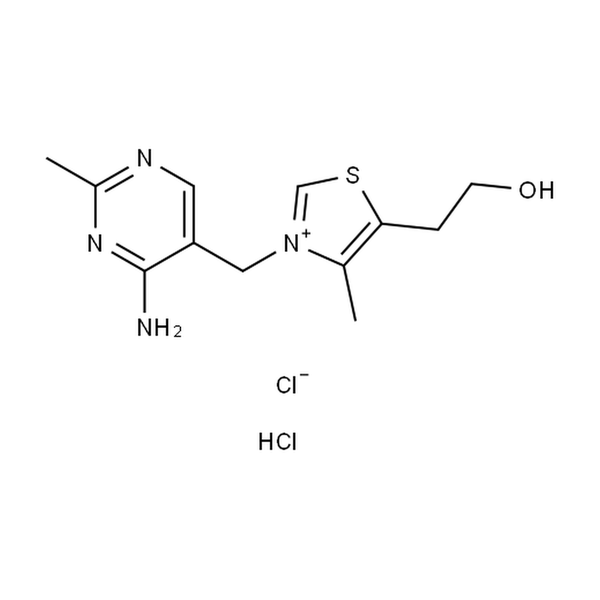
Vitamin B1 (Thiamine HCl) (CAS: 67-03-8)

Vitamin B1 (Thiamine HCl) (CAS: 67-03-8)

Thiamine hydrochloride is the water-soluble, highly bioavailable salt of vitamin B1, recognisable by its yeast-like odour and bitter taste. It is stable in acid but breaks down rapidly in neutral and alkaline systems, especially where sulfites are present.
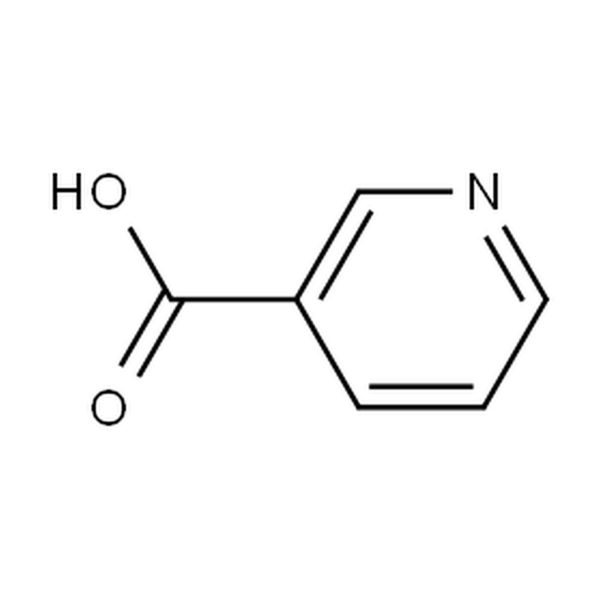
Vitamin B3 (Niacin) (CAS: 59-67-6)

Vitamin B3 (Niacin) (CAS: 59-67-6)

Niacin, or nicotinic acid, is the flushing form of vitamin B3. Above roughly 50 mg it dilates cutaneous capillaries and produces a visible, transient flush, which is either the product's selling point or its fatal flaw depending on positioning.
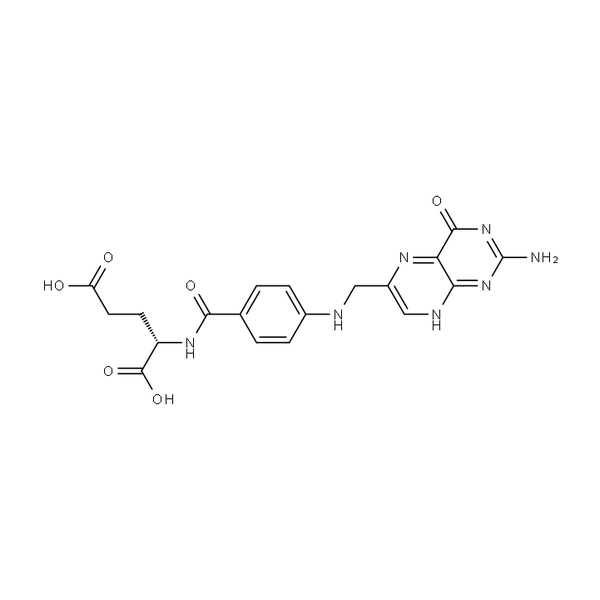
Folic Acid (Vitamin B9) (CAS: 59-30-3)

Folic Acid (Vitamin B9) (CAS: 59-30-3)

Folic acid is the synthetic, fully oxidised form of folate used in supplements and mandatory flour fortification. It is a yellow-orange, light-sensitive powder with very low water solubility, which limits where it can be used in liquid formats.
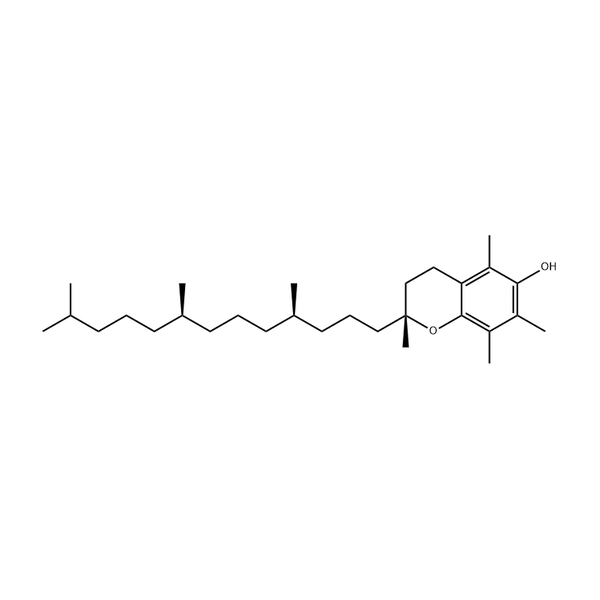
Vitamin E (D-alpha-Tocopherol) (CAS: 59-02-9)

Vitamin E (D-alpha-Tocopherol) (CAS: 59-02-9)

d-alpha-Tocopherol is the natural-source (RRR) form of vitamin E, with roughly 1.36 times the biological activity of the synthetic all-rac mixture per milligram. It is a viscous oil that oxidises readily, so it is supplied as the acetate or succinate ester, often diluted on a carrier.
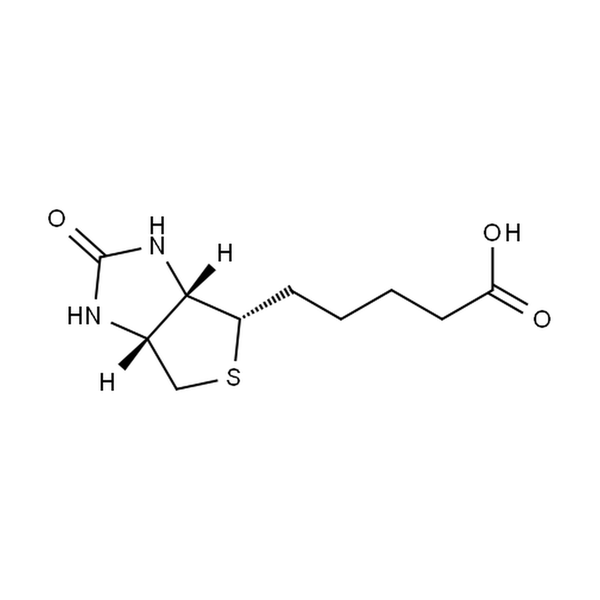
Vitamin H (Biotin) (CAS: 58-85-5)

Vitamin H (Biotin) (CAS: 58-85-5)

Biotin is a bicyclic coenzyme for the carboxylase enzymes, dosed in micrograms. Its very low solubility and low use level mean most commercial supply is a 1% or 2% dilution, and its interference with streptavidin-biotin immunoassays has become a regulatory talking point.
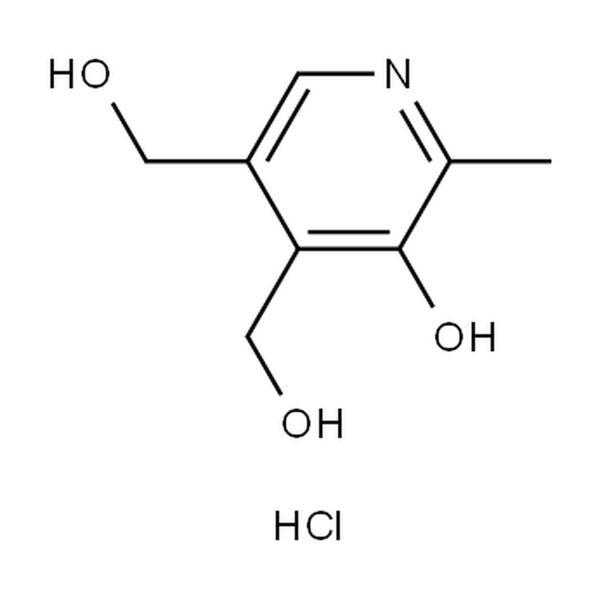
Vitamin B6 (Pyridoxine HCl) (CAS: 58-56-0)

Vitamin B6 (Pyridoxine HCl) (CAS: 58-56-0)

Pyridoxine hydrochloride is the stable, water-soluble form of vitamin B6 used in supplements, premixes and injections. It is photolabile in solution, and its two related substances, pyridoxal and pyridoxamine, are the usual release concern rather than the assay itself.
Vitamin C (Ascorbic Acid) (CAS: 50-81-7)

Vitamin C (Ascorbic Acid) (CAS: 50-81-7)

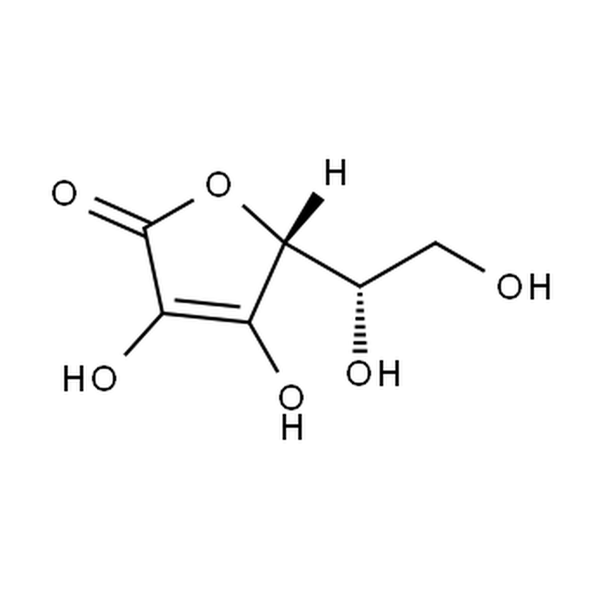
Ascorbic acid is a water-soluble lactone that acts as a two-electron reducing agent, which is why one molecule serves as a nutrient, a dough improver, a colour protectant and a curing accelerator. The same reactivity makes it the ingredient most sensitive to moisture, trace metals and heat in the.
Bulk vitamins and vitamin derivatives for supplement and food fortification, USP/FCC grade.
X
We use cookies to offer you a better browsing experience, analyze site traffic and personalize content. By using this site, you agree to our use of cookies. Privacy Policy
RejectAccept