CDMO

Acidulants and Preservatives: pH, pKa and the Benzene Question

Preservation is arithmetic, not folklore. A preservative works only in its undissociated form, so the same dose of sodium benzoate is effective at pH 3.5 and close to useless at pH 5. Most "the preservative does not work" complaints are really pH problems, and most "the acid tastes harsh" complaints are really dose-and-buffer problems.

Where each acidulant fits

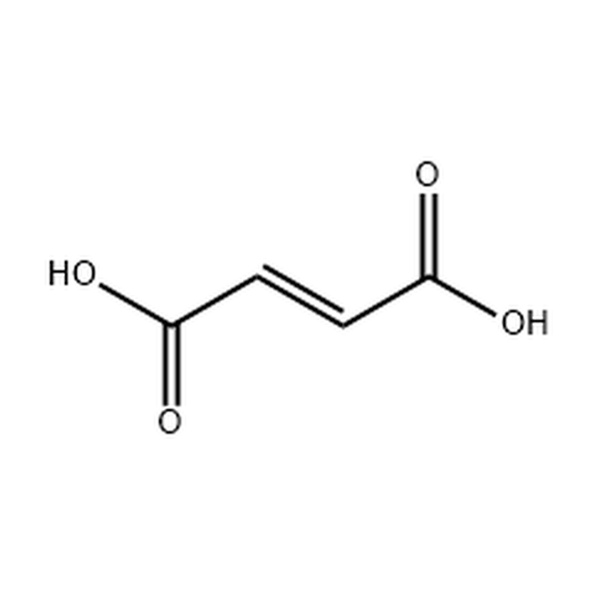
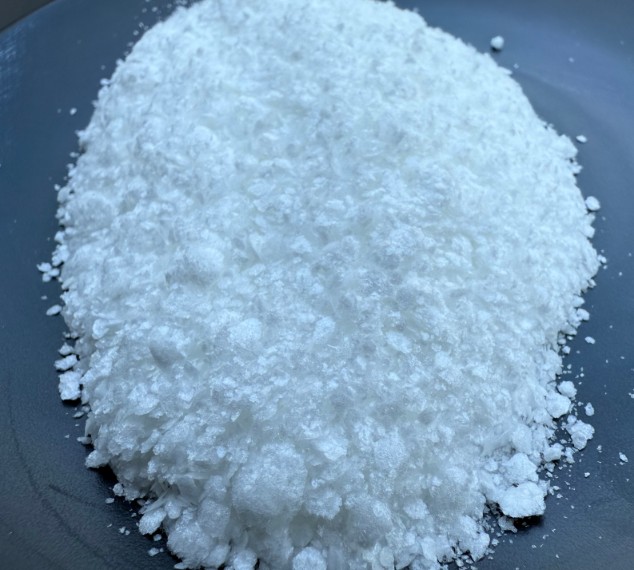
  • Fumaric acid — two pKa values and very low water solubility (roughly 0.6 g per 100 mL at 25 °C). That low solubility is the point in dry mixes and effervescents: it releases slowly, gives a sharp sustained sourness, and does not hygroscopically turn a powder into a brick the way citric acid does. In a cold liquid it will simply not dissolve fast enough.
  • Citric and malic remain the default for beverages; fumaric is the choice when you want acidity without picking up moisture, or a longer sour tail.

Preservatives: pH first, dose second

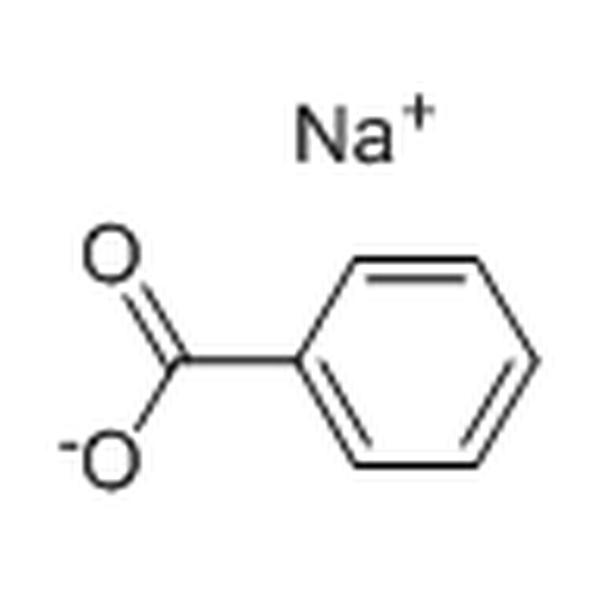
  • Sodium benzoate — effective in the undissociated form, in practice below about pH 4.5. Typical use levels sit around 0.05–0.1%; above that you can taste it. The real risk is not the dose but the combination: benzoate plus ascorbic acid, with light, heat or metal ions present, can generate trace benzene. If the formula carries vitamin C, that pairing needs a deliberate decision, not an accident.
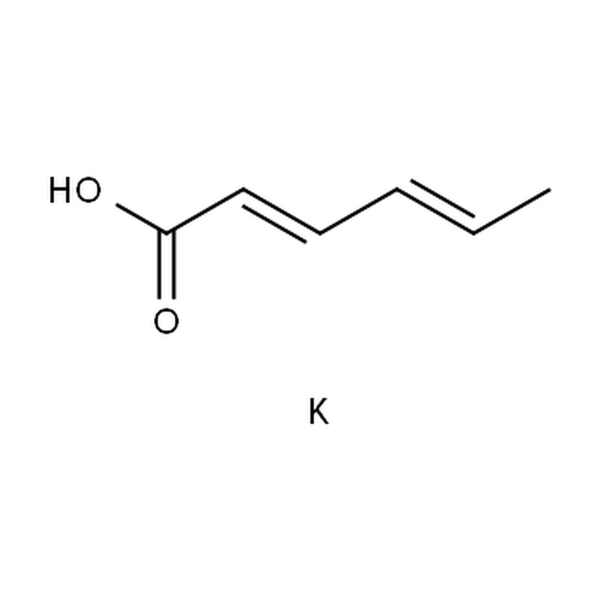
  • Potassium sorbate — works over a wider pH window, up to around 6.5, commonly at 0.05–0.2%. Overdosing shows up as a sorbic-like off-note that consumers describe as "chemical". It is often blended with benzoate to widen coverage.
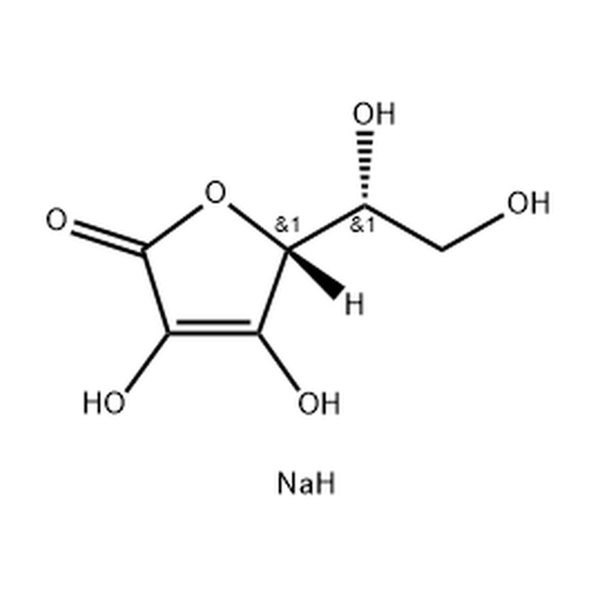
  • Sodium erythorbate — not a preservative but an antioxidant: it scavenges oxygen and, in cured meat systems, suppresses nitrosamine formation. Specify assay and the erythorbate/ascorbate ratio if it is being used as a replacement.

Impurities that decide a lot

  • Fumaric acid: maleic acid content is the specification that separates food grade from industrial grade. Get the limit in writing.
  • Sodium benzoate: chloride, sulfate and heavy metals; titration assay is normal, but request chromatographic purity if the material goes into a beverage with vitamin C.
  • Potassium sorbate: assay, aldehyde content and loss on drying — a damp lot will decompose and smell before you open it.
  • All four: heavy metals and arsenic, plus a microbiological screen for the salts.

Handling the salts, not just buying them

Benzoate and sorbate are both hygroscopic and both decompose faster when they pick up moisture, so a pallet stored next to a loading dock is a pallet that will fail a re-test. Keep them sealed, dry and away from direct light, and never pre-weigh them into an open container the day before production. In dry mixes, dose them as a pre-blend with the acidulant rather than as a separate addition, otherwise the preservative sits in pockets and the first sachet in the stick pack gets a dose that tastes of benzoate.

What to send us

Target pH, process temperature and hold time, whether vitamin C is present, target shelf life, and the market's permitted list. That is enough to propose an acidulant/preservative pair instead of selling you a drum. Products: Fumaric acid, Sodium benzoate, Potassium sorbate, Sodium erythorbate. Wider context: applications index.

X
We use cookies to offer you a better browsing experience, analyze site traffic and personalize content. By using this site, you agree to our use of cookies. Privacy Policy
RejectAccept