Products

Bulk amino acid raw materials supplier

Superpharmagroup supplies bulk amino acids and amino acid derivatives for sports nutrition, clinical nutrition, infant formula and fermentation media. Each product is released against USP, EP or AJI monograph specifications with a full impurity profile.

Typical items include L-leucine, L-isoleucine, L-tryptophan, L-arginine, L-glutamine, glycine, taurine, beta-alanine and creatine monohydrate. All are supplied as free-flowing powder in 25 kg fibre drums with double PE liner.

Every shipment is accompanied by COA, TDS and MSDS, and samples are available for formulation trials before commercial orders.

View as  
 
Creatine Monohydrate (CAS: 6020-87-7)

Creatine Monohydrate (CAS: 6020-87-7)

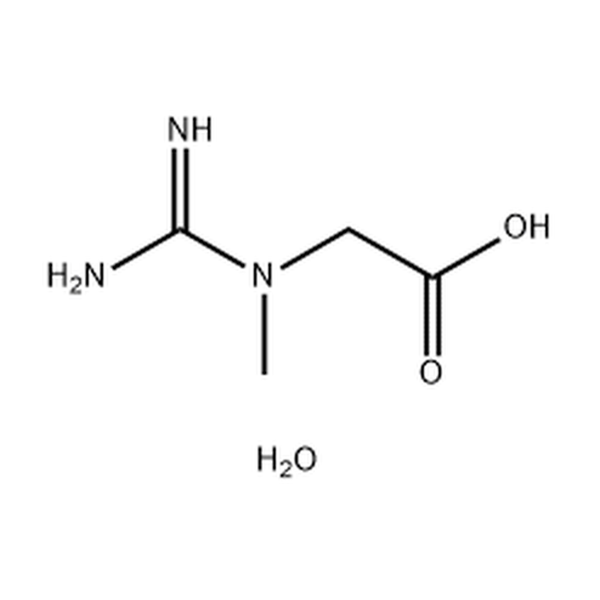
Creatine monohydrate carries about 88% creatine by weight and remains the most studied sports ingredient in existence. In solution it slowly cyclises to creatinine, and cyanamide-based synthesis can leave dicyandiamide behind, so mesh size plus those two numbers define a good lot.
L-Arginine (CAS: 74-79-3)

L-Arginine (CAS: 74-79-3)

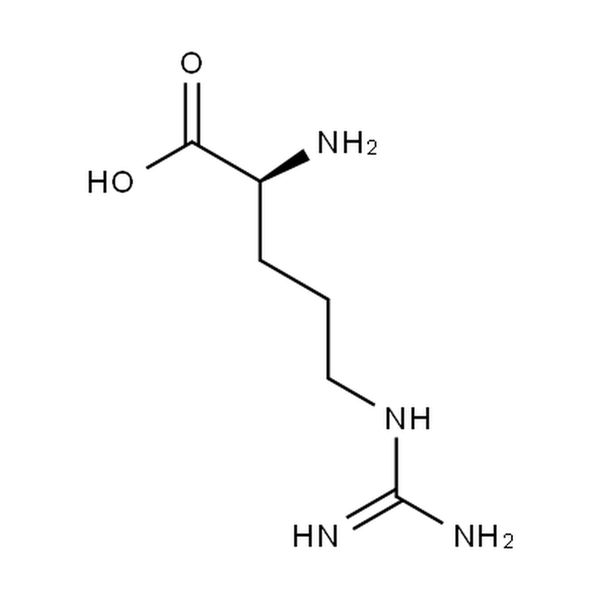
L-Arginine is a basic amino acid whose guanidino group makes its solutions strongly alkaline, around pH 10.5 at 5% concentration. It is the substrate for nitric oxide synthase and the precursor of urea-cycle ornithine, and one of the most soluble amino acids in water.
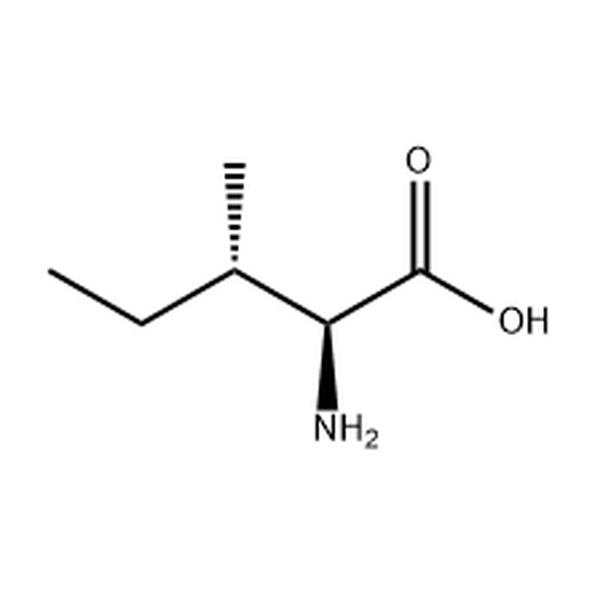
L-Isoleucine (CAS: 73-32-5)

L-Isoleucine (CAS: 73-32-5)

L-Isoleucine is a branched-chain amino acid with two stereocentres, so its quality is defined as much by stereoisomeric purity as by assay. The L-allo-isoleucine content is the parameter most buyers now write into the specification.
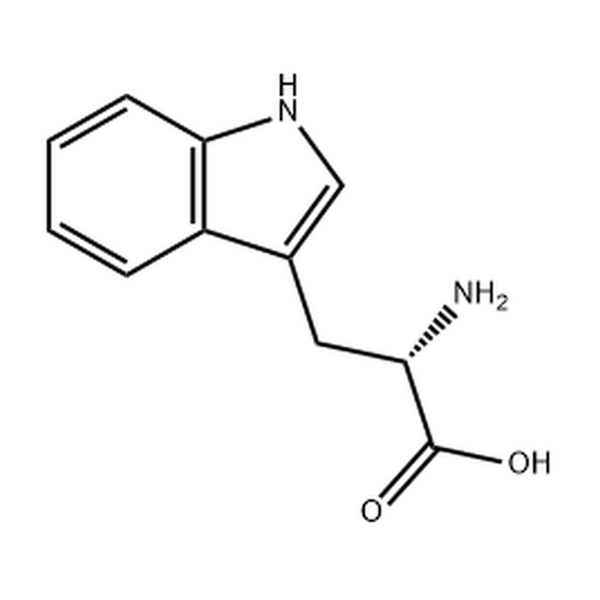
L-Tryptophan (CAS: 73-22-3)

L-Tryptophan (CAS: 73-22-3)

L-Tryptophan is the rarest of the proteinogenic amino acids and the precursor of serotonin, melatonin and kynurenine. Its indole ring is sensitive to light and oxygen, so colour and related substances matter as much as assay when a lot is released.
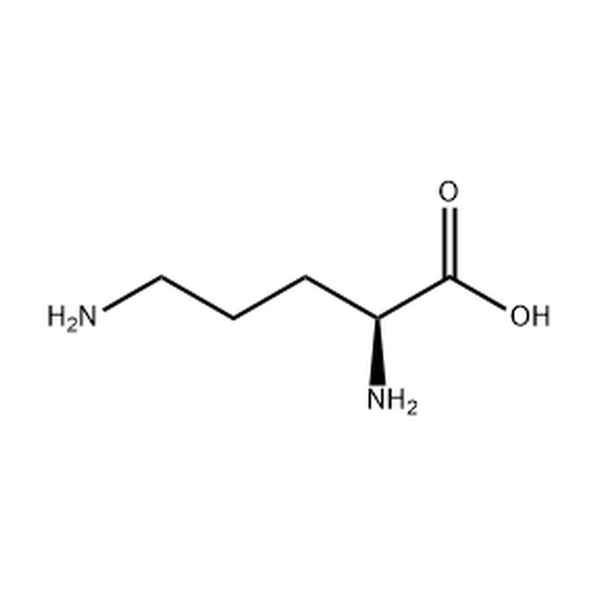
L-Ornithine (CAS: 70-26-8)

L-Ornithine (CAS: 70-26-8)

L-Ornithine sits at the centre of the urea cycle, where it carries ammonia into urea for excretion. The free base is strongly alkaline and hygroscopic, so dry blends normally use the hydrochloride or the alpha-ketoglutarate salt instead.
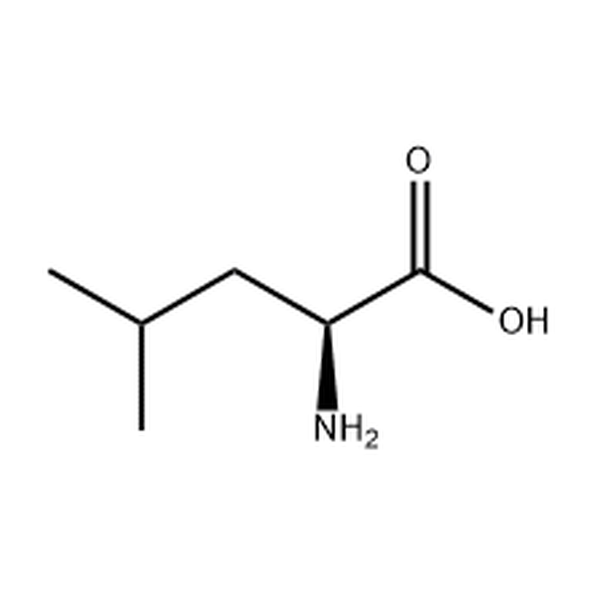
L-Leucine (CAS: 61-90-5)

L-Leucine (CAS: 61-90-5)

L-Leucine is the most potent of the three branched-chain amino acids and the direct trigger for muscle protein synthesis through mTOR. Outside nutrition it is a workhorse excipient: low solubility and good flow make it a standard carrier and anti-adherent in dry-powder inhalation and tableting.
L-Tyrosine (CAS: 60-18-4)

L-Tyrosine (CAS: 60-18-4)

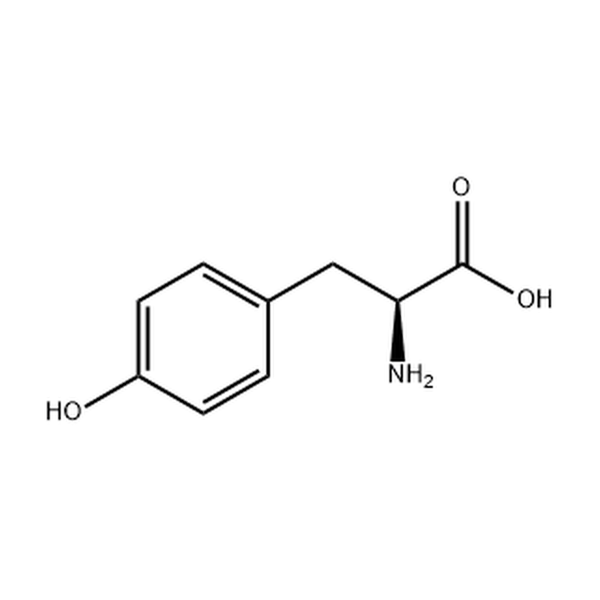
L-Tyrosine is the hydroxylated form of phenylalanine and the direct precursor of dopamine, noradrenaline and the thyroid hormones. Its aromatic ring makes it only slightly soluble in water, about 0.45 g/L, so it is normally supplied as a fine powder for capsules and dry blends rather than for.
L-Cystine (CAS: 56-89-3)

L-Cystine (CAS: 56-89-3)

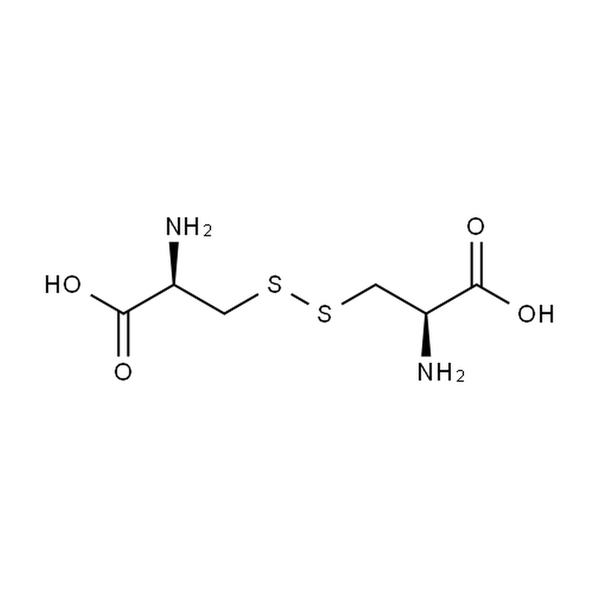
L-Cystine is two cysteine molecules joined by a disulfide bond. That bond makes it practically insoluble in water and alcohol, soluble only in acids and alkalis, a property that governs both how it is purified and how it must be formulated.
L-Glutamic acid (CAS: 56-86-0)

L-Glutamic acid (CAS: 56-86-0)

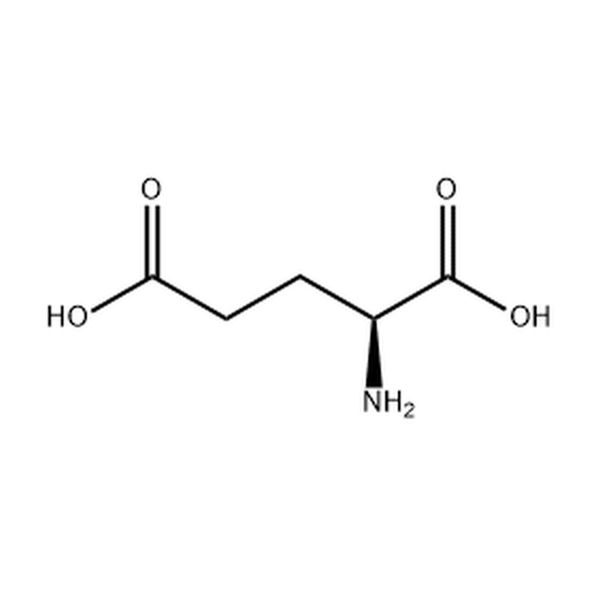
L-Glutamic acid is the amino acid behind umami, the taste that monosodium glutamate amplifies. Unlike the sodium salt it is only sparingly soluble, about 8.6 g/L at 25 °C, and crystallises readily, a property exploited both in purification and in sustained-release matrices.
L-Glutamine (CAS: 56-85-9)

L-Glutamine (CAS: 56-85-9)

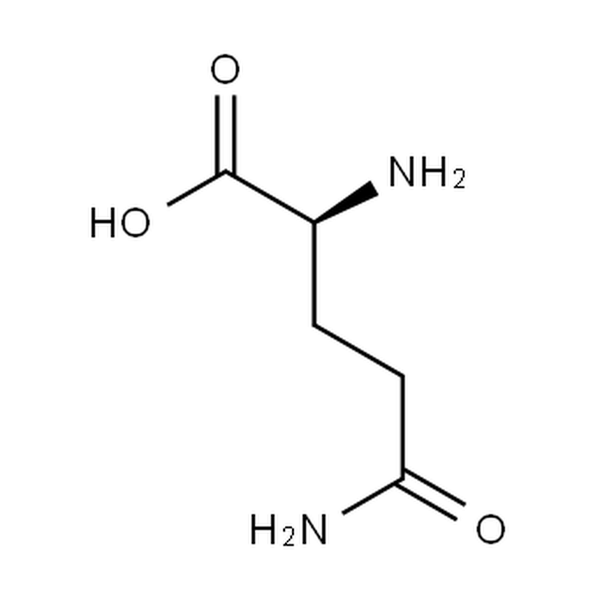
L-Glutamine is the most abundant free amino acid in plasma and skeletal muscle, and the preferred fuel of enterocytes and lymphocytes. Its weakness is solution stability: heat and acid cyclise it to pyroglutamic acid, so grade and process control decide whether a beverage or a cell-culture.
L-Glycine (CAS: 56-40-6)

L-Glycine (CAS: 56-40-6)

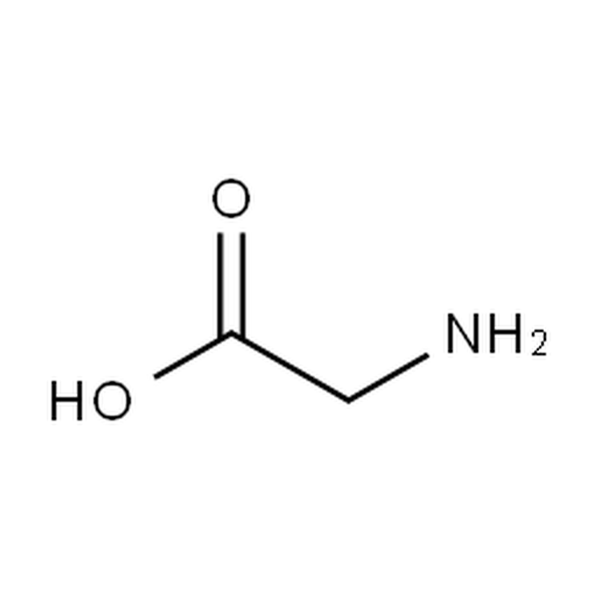
Glycine is the smallest amino acid and the only proteinogenic one with no side-chain carbon. That minimal structure makes it sweet-tasting, highly soluble (about 250 g/L) and an effective buffer at pH 2.4 and 9.6, which is why it appears in roles far beyond nutrition.
L-Carnitine (CAS: 541-15-1)

L-Carnitine (CAS: 541-15-1)

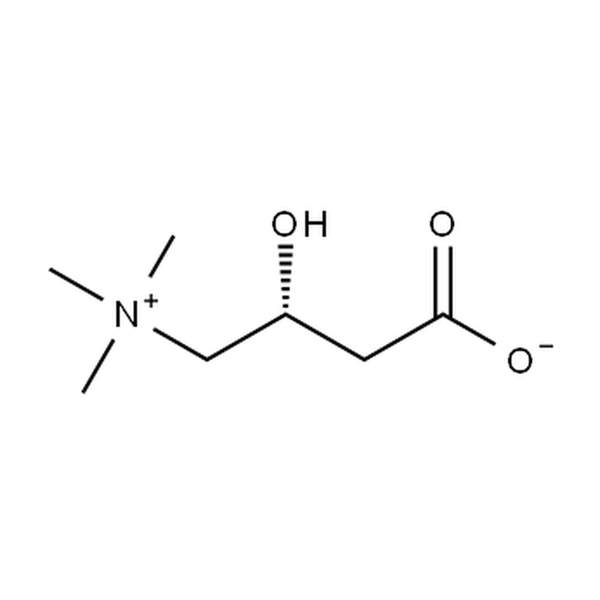
L-Carnitine is the inner salt of a quaternary ammonium compound that shuttles long-chain fatty acids across the mitochondrial membrane. The free base is strongly hygroscopic and deliquescent, so bulk handling is as much about the packaging as about the assay.
L-Carnitine tartrate (CAS: 36687-82-8)

L-Carnitine tartrate (CAS: 36687-82-8)

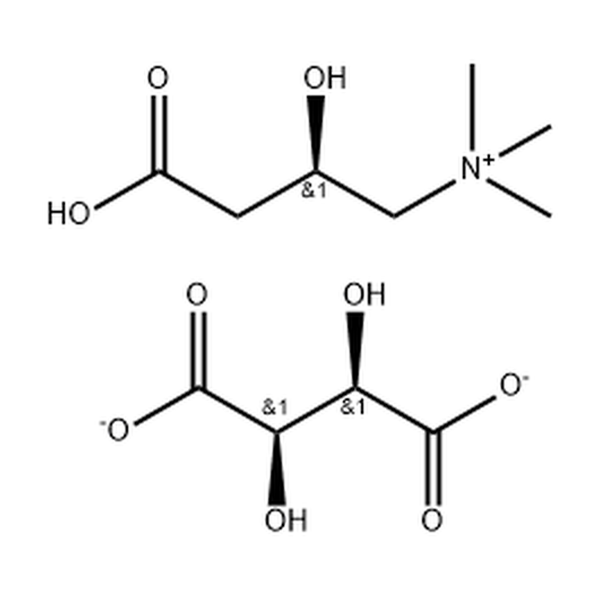
L-Carnitine tartrate is the salt of one carnitine and one tartaric acid molecule, carrying 68% carnitine by weight in a non-hygroscopic, free-flowing powder. It exists precisely because the free base is too moisture-sensitive for high-speed dry blending.
Beta-Alanine (CAS: 107-95-9)

Beta-Alanine (CAS: 107-95-9)

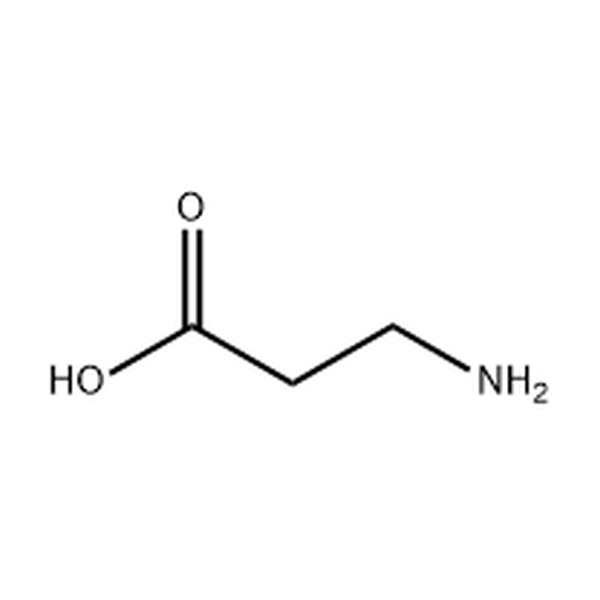
Beta-alanine is the rate-limiting precursor of carnosine, the dipeptide that buffers hydrogen ions inside fast-twitch muscle. It is the smallest of the beta amino acids, highly water soluble and supplied as a free-flowing white powder for pre-workout, capsule and stick-pack formats.
Taurine (CAS: 107-35-7)

Taurine (CAS: 107-35-7)

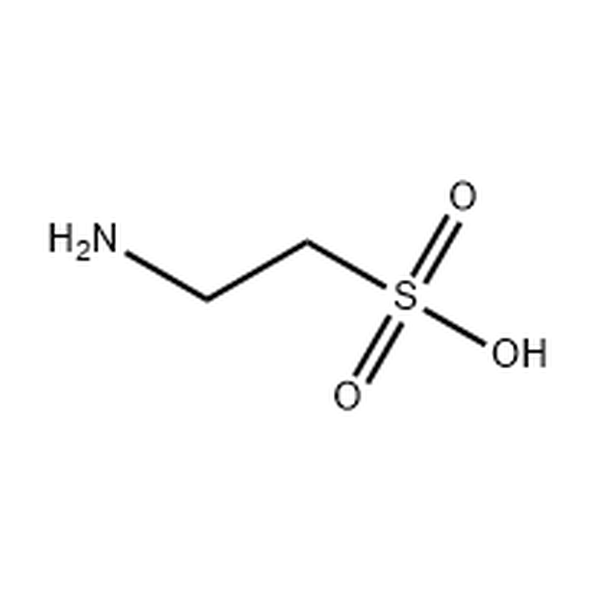
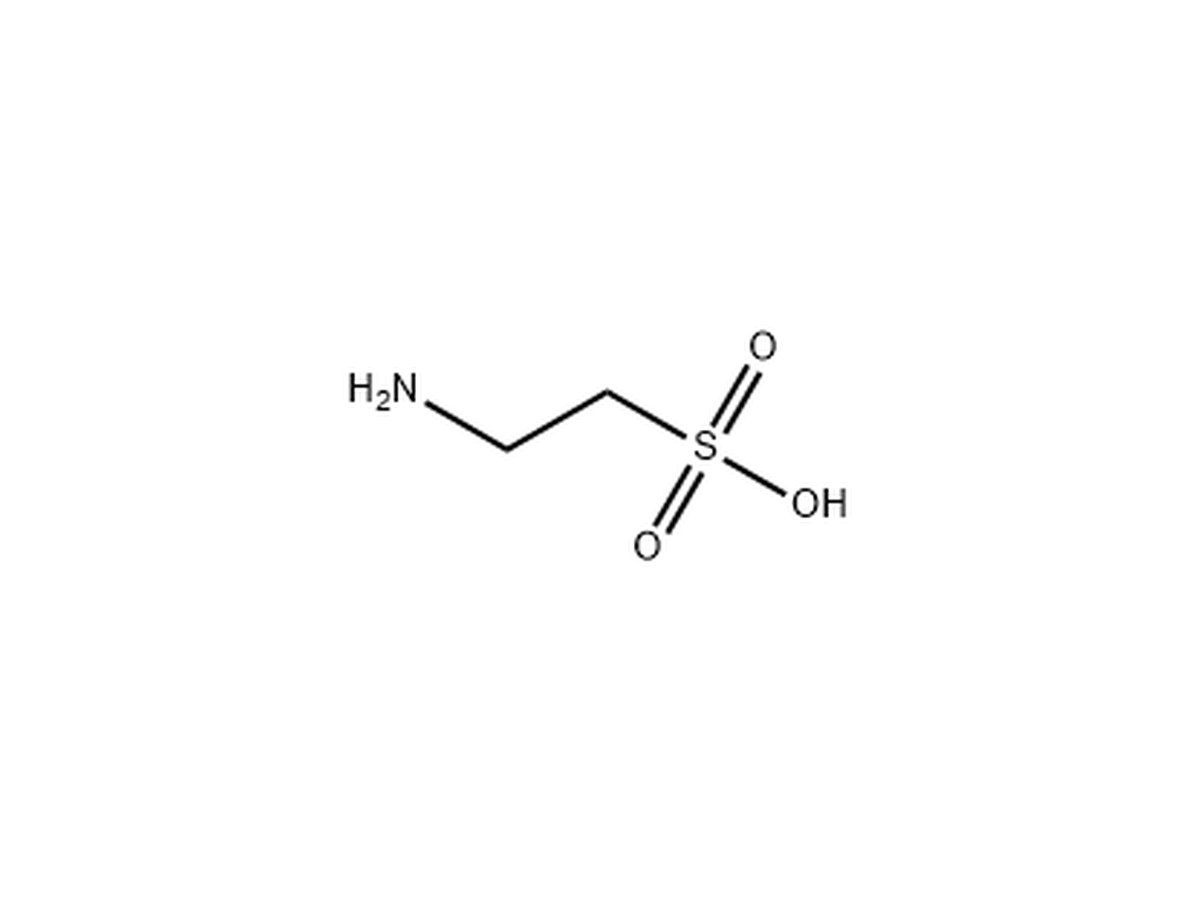
Taurine is a sulfur-containing amino acid that the body synthesises only in limited amounts and that never becomes part of a protein chain. In formulation it behaves as a small, very soluble molecule (about 60 g/L at 20 °C) that stays chemically inert towards caffeine, B-group vitamins and flavour.
Bulk amino acids for sports nutrition and clinical nutrition, supplied with full documentation.
X
We use cookies to offer you a better browsing experience, analyze site traffic and personalize content. By using this site, you agree to our use of cookies. Privacy Policy
RejectAccept