Products

Bulk sweetener raw materials supplier

Superpharmagroup supplies high-intensity sweeteners and bulk sweeteners for sugar-free beverages, confectionery, bakery, dairy and table-top blends. The range includes sucralose, aspartame, acesulfame potassium, stevioside, fructose, mannitol and dextrose.

Each product is tested for assay, specific rotation or related substances, and heavy metals according to FCC or USP requirements, with particle size adjustable on request.

Sweetener blends and custom granulation can be discussed for larger programmes.

View as  
 
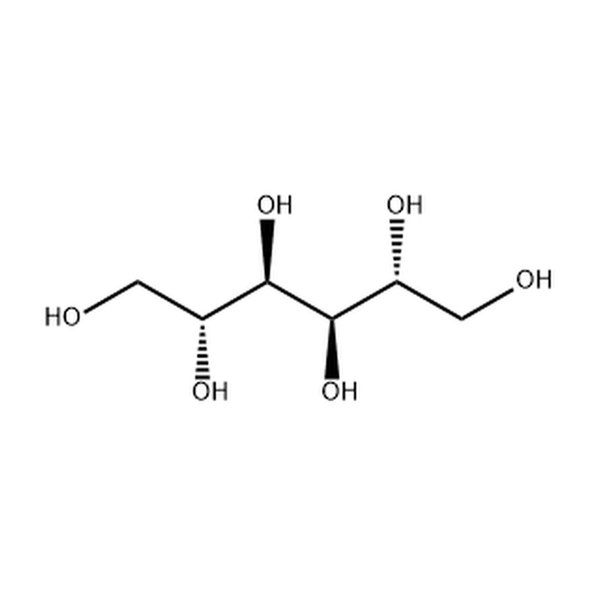
Mannitol (CAS: 69-65-8)

Mannitol (CAS: 69-65-8)

Mannitol is a sugar alcohol about half as sweet as sucrose, and the only common bulk sweetener that is practically non-hygroscopic. That single property explains most of its use: it goes into moisture-sensitive tablets, chewables and sugar-free coatings where sorbitol or xylitol would fail.
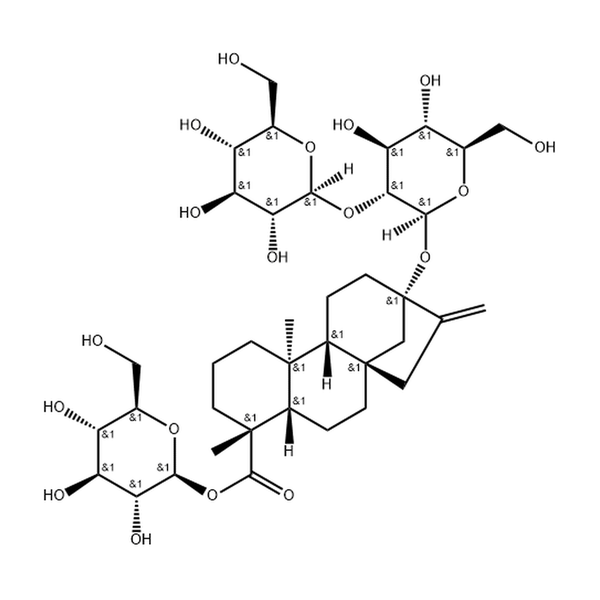
Stevioside (CAS: 57817-89-7)

Stevioside (CAS: 57817-89-7)

Stevioside is the original steviol glycoside of Stevia rebaudiana, roughly 200 to 300 times as sweet as sucrose with a slower onset and a marked licorice bitterness at higher concentrations. Modern formulations often move to Reb A or blends, but stevioside remains the cost-effective base for many.
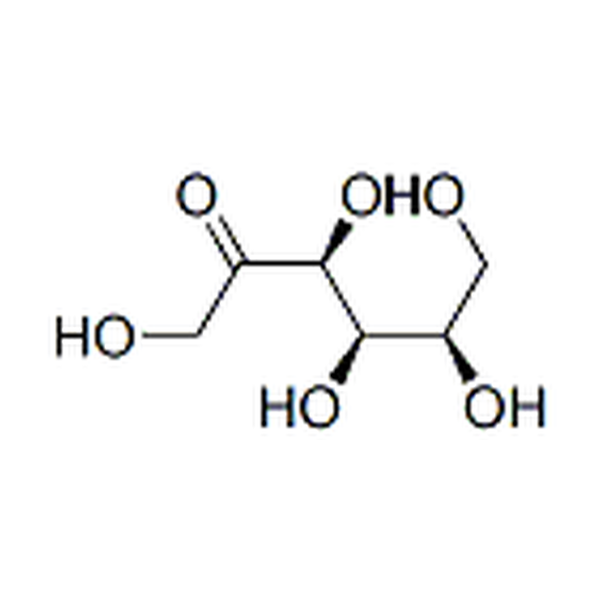
Fructose (CAS: 57-48-7)

Fructose (CAS: 57-48-7)

Fructose is a monosaccharide that tastes 1.2 to 1.8 times as sweet as sucrose, and its sweetness actually rises as the product gets colder, the opposite of sucrose. That property, plus its humectancy and its role in Maillard browning, defines where it is used.
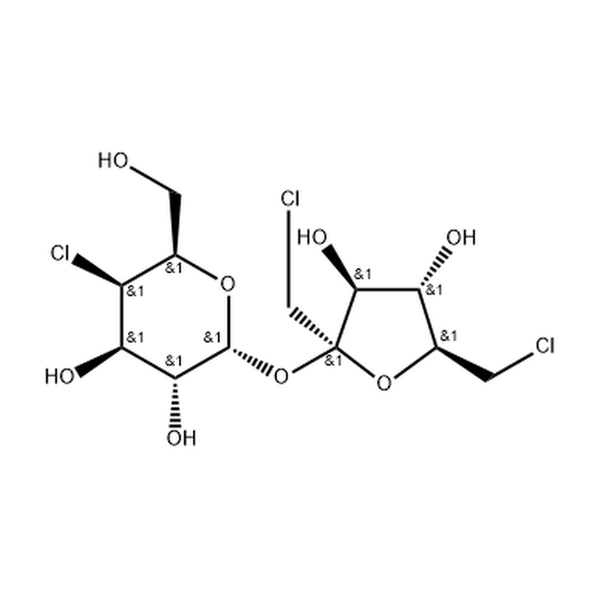
Sucralose (CAS: 56038-13-2)

Sucralose (CAS: 56038-13-2)

Sucralose is made from sucrose by selective chlorination, which turns a sugar into a molecule about 600 times as sweet that the body does not metabolise. It has the closest taste profile to sugar of any high-intensity sweetener and enough heat stability for baking.
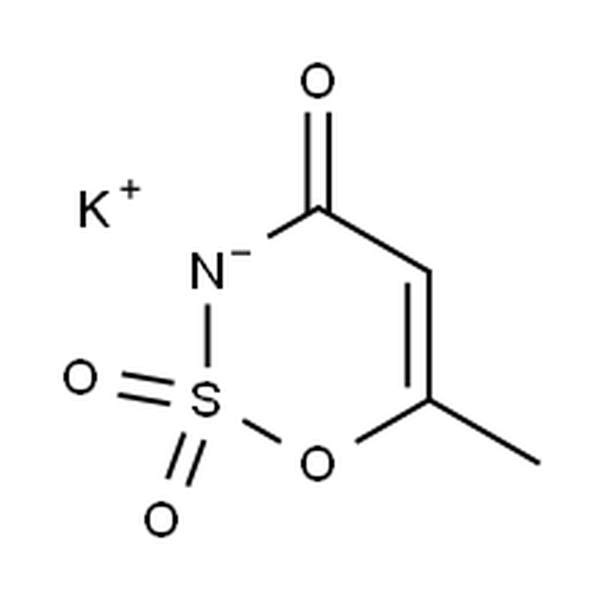
Acesulfame Potassium (CAS: 55589-62-3)

Acesulfame Potassium (CAS: 55589-62-3)

Acesulfame potassium is about 200 times as sweet as sucrose and, unlike aspartame, it keeps its sweetness through pasteurisation, UHT and baking. Its weakness is a bitter, metallic tail at higher use levels, which is why it is almost always blended with sucralose, aspartame or a polyol.
Dextrose Anhydrous (CAS: 50-99-7)

Dextrose Anhydrous (CAS: 50-99-7)

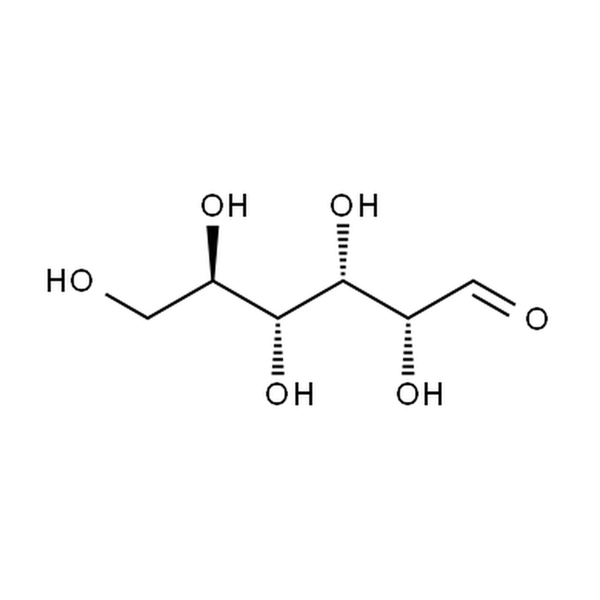
Dextrose anhydrous is D-glucose with a dextrose equivalent of 100, about 0.7 of the sweetness of sucrose. Its value in manufacturing is less about sweetness and more about being a clean, non-hygroscopic, compressible sugar that feeds fermentation and carries tablets.
Aspartame (CAS: 22839-47-0)

Aspartame (CAS: 22839-47-0)

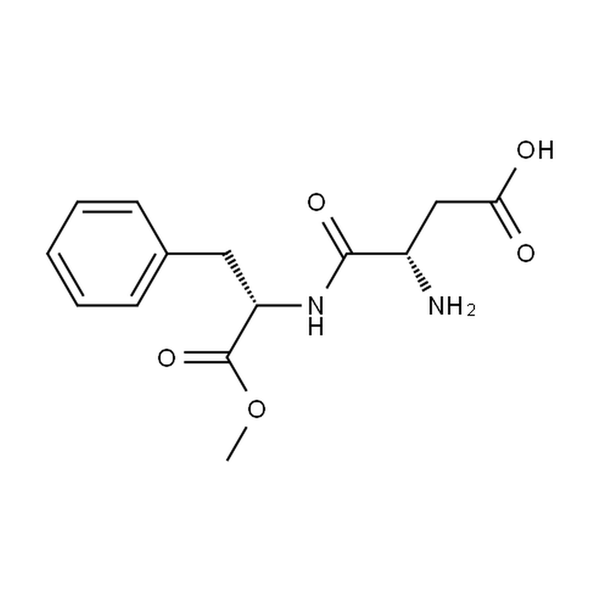
Aspartame is a dipeptide of aspartic acid and phenylalanine methyl ester, about 200 times as sweet as sucrose with a clean, sucrose-like onset. It is also the least heat-stable high-intensity sweetener in common use: above about 30 °C in aqueous solution it hydrolyses and cyclises to.
Bulk sweeteners for sugar-free beverages, confectionery and dairy, FCC grade with COA.
X
We use cookies to offer you a better browsing experience, analyze site traffic and personalize content. By using this site, you agree to our use of cookies. Privacy Policy
RejectAccept