CDMO

Pet Food Ingredients: Taurine, Glucosamine and the Specs Behind the Label

Pet food is a formulated feed with a guaranteed analysis printed on the bag, which makes every ingredient a legal commitment rather than a marketing claim. The gap between what is added at the mixer and what is present at end of shelf life is where most batches fail.

Taurine: essential for cats, and destroyed by processing

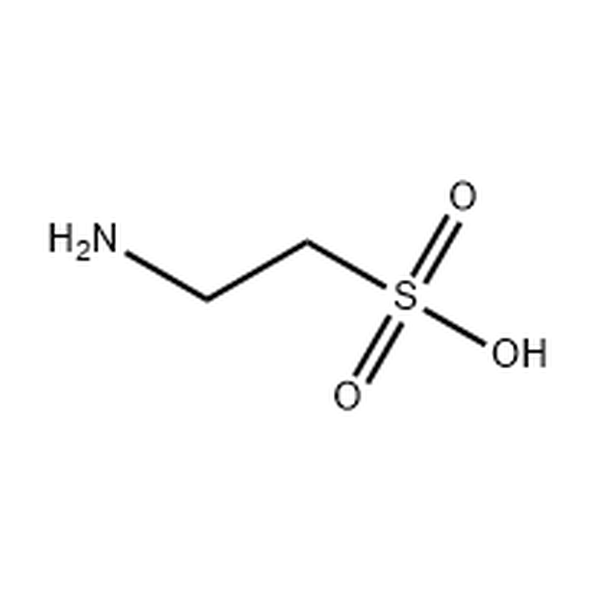
Taurine is dietary essential for cats and is added to every complete cat food. It is also heat-labile and water-soluble, so retort pouches and high-temperature extrusion both take a measurable toll. A typical inclusion of 1000–2500 mg/kg in the finished product usually starts from a 20–30% overage at the mixer, validated by analysis of the finished, packaged product rather than the premix.

For dogs the picture is less settled, but the practical response is the same: declare the inclusion, verify the finished product, and do not rely on ingredient contributions from meat meals, which vary widely by rendering batch.

Joint ingredients: glucosamine is not glucosamine

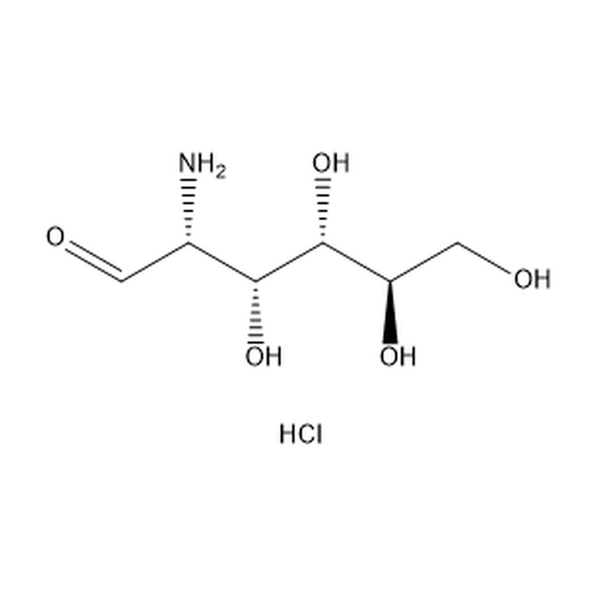
Glucosamine Hydrochloride and glucosamine sulfate are different salts with different molecular weights per gram of active, and the label claim is almost always expressed as the salt. Two lots at the same declared percentage can differ by several points of actual glucosamine if the assay method differs. Specify HPLC with a stated column and standard, and ask for the potassium or chloride content depending on the salt.

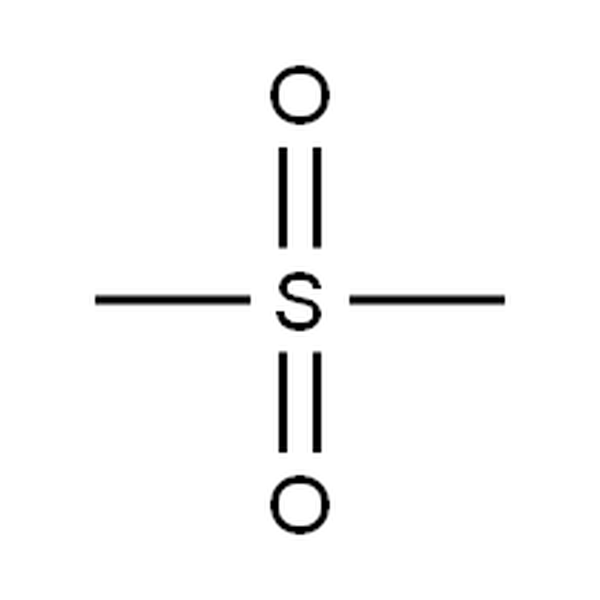
MSM (Methylsulfonylmethane) is usually the second joint component and is far more forgiving analytically, but it is hygroscopic in storage. A drum that has been opened and resealed in a humid climate will test low on assay and cake in the mixer.

Antioxidants and palatability

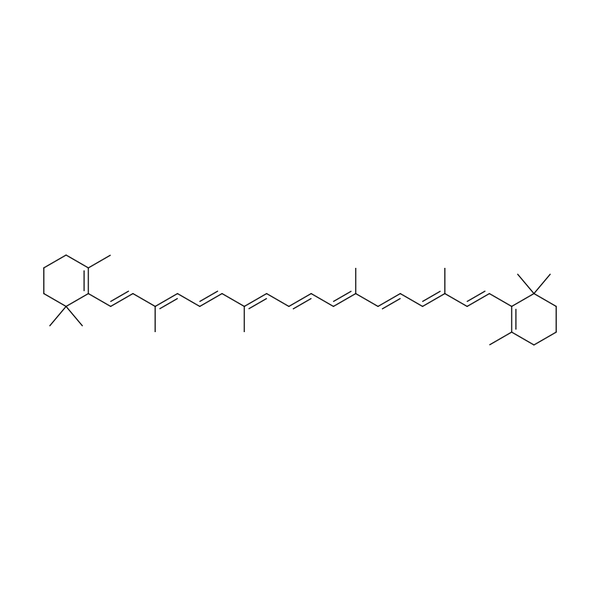
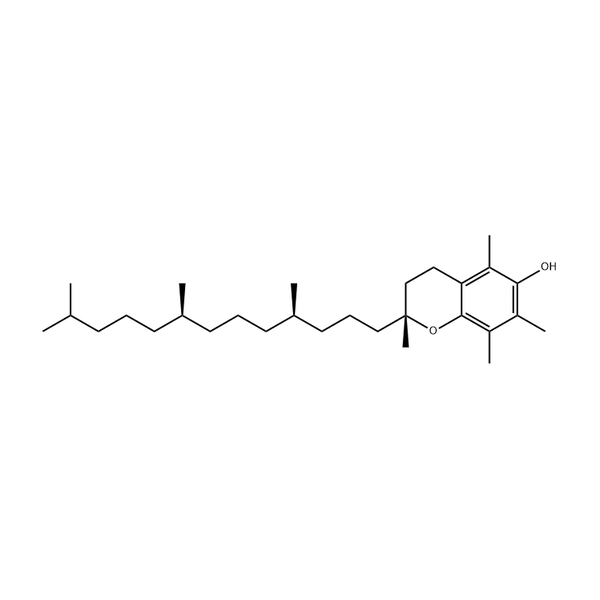
Vitamin E (D-alpha-Tocopherol) is the default natural antioxidant for fat-coated kibble; Beta Carotene contributes colour and provitamin A but is sensitive to oxidation once the coating is exposed to air. Both are declared on the guarantee, so the overage calculation follows the same logic as taurine.

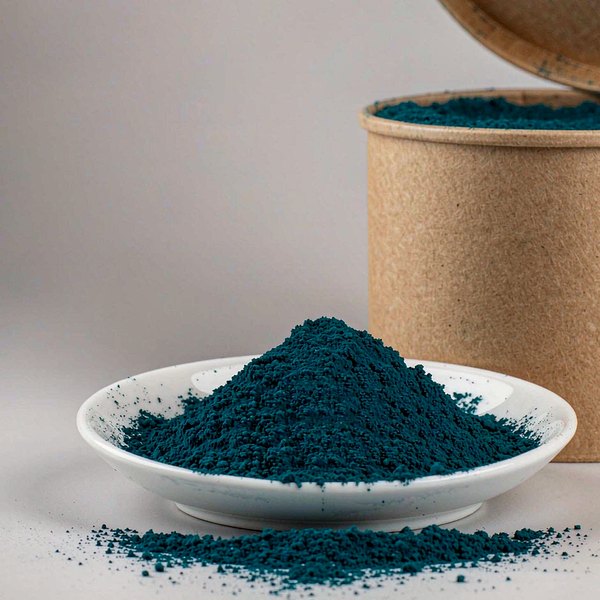
Spirulina is used for colour and as a palatability modifier in premium lines. Specify the phycocyanin figure and the microbial limits, because a spirulina lot that passes heavy metals can still carry a high total plate count that shortens the finished product's shelf life.

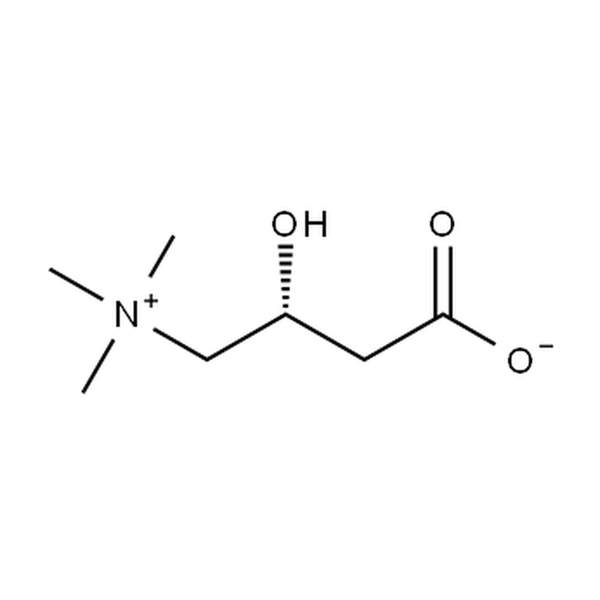
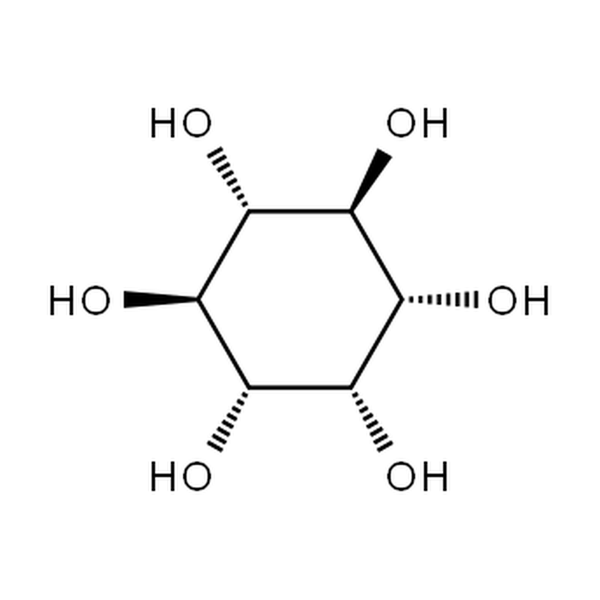
Inositol and L-Carnitine appear in weight-management and senior formulations at low inclusion levels, where premix distribution is the bigger risk than the ingredient itself.

What to write into the purchase specification

IngredientLines that matter
TaurineAssay 98.5–101.5%; chloride; LOD; heavy metals
Glucosamine HClAssay on dried basis; chloride; sulfate; specific rotation
MSMAssay ≥99.5%; DMSO residue; LOD; bulk density
SpirulinaPhycocyanin; total plate count; lead; arsenic
Vitamin EPotency in IU/g; acetate vs alcohol form; carrier

Sourcing note

Pet-grade taurine, glucosamine HCl and MSM ship in 25 kg drums with batch COA and 7–15 working days lead time. Where a customer needs a joint premix or a full vitamin and amino acid pack for a wet line, the set is quoted together so the overage calculation is made once against one lot family.

Running a trial that predicts the line

Formulate the trial at your real overage, process it on the real line, and assay the finished, packaged product after the retort or extrusion cycle. Taurine is the ingredient that most often tells the truth: if the finished analysis is materially below the guarantee, the overage was calculated from the premix rather than from the process.

For palatability work, keep the ingredient lots constant across the panel and vary only the process. A palatability difference between two trials is usually a fat-coating or antioxidant story, not a taurine story, and swapping suppliers to chase it wastes a qualification cycle.

X
We use cookies to offer you a better browsing experience, analyze site traffic and personalize content. By using this site, you agree to our use of cookies. Privacy Policy
RejectAccept