Products
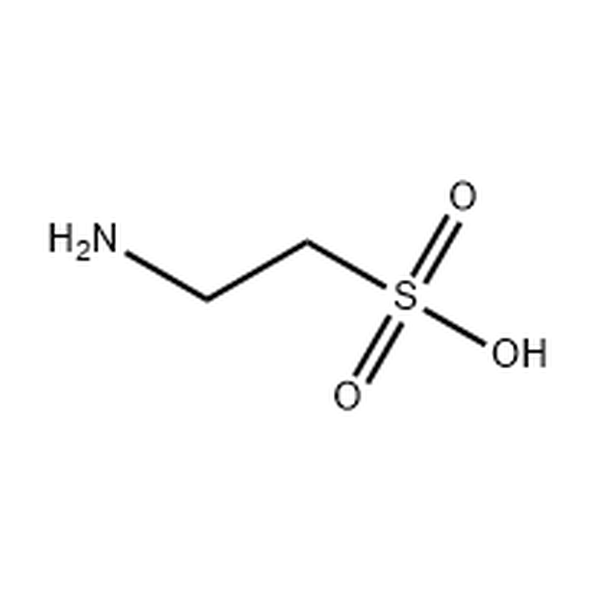
Taurine (CAS: 107-35-7)

Taurine CAS 107-35-7 Bulk Raw Material

Model:TRN-99
Taurine is a sulfur-containing amino acid that the body synthesises only in limited amounts and that never becomes part of a protein chain. In formulation it behaves as a small, very soluble molecule (about 60 g/L at 20 °C) that stays chemically inert towards caffeine, B-group vitamins and flavour.
  • TRN-99:

    Product Name: Taurine CAS No.: 107-35-7 Molecular Formula: C2H7NO3S Molecular Weight: 125.15 g/mol Appearance: White crystalline powder Product Form: Powder Assay: 98.5-101.5% Melting Point: 300.0 °C Solubility: H2O: 0.5 M at 20 °C, clear, colorless Grade Standard: USP / EP / AJI monograph HS Code: 29211980 Storage: Store in a dry place below 30 °C in closed containers; the crystal is non-hygroscopic and stable for 3 years under these conditions. Packaging: 25 kg net (fibre drum with double PE liner) or as required Documentation: COA, TDS, MSDS and regulatory support available on request

Taurine

Product Overview

Taurine is a sulfur-containing amino acid that the body synthesises only in limited amounts and that never becomes part of a protein chain. In formulation it behaves as a small, very soluble molecule (about 60 g/L at 20 °C) that stays chemically inert towards caffeine, B-group vitamins and flavour systems sharing the same premix.

Specification

Product NameTaurine
CAS No.107-35-7
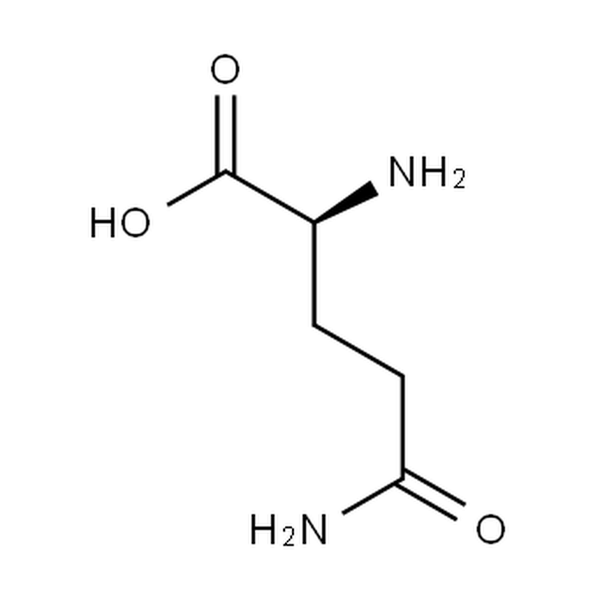
Molecular FormulaC2H7NO3S
Molecular Weight125.15 g/mol
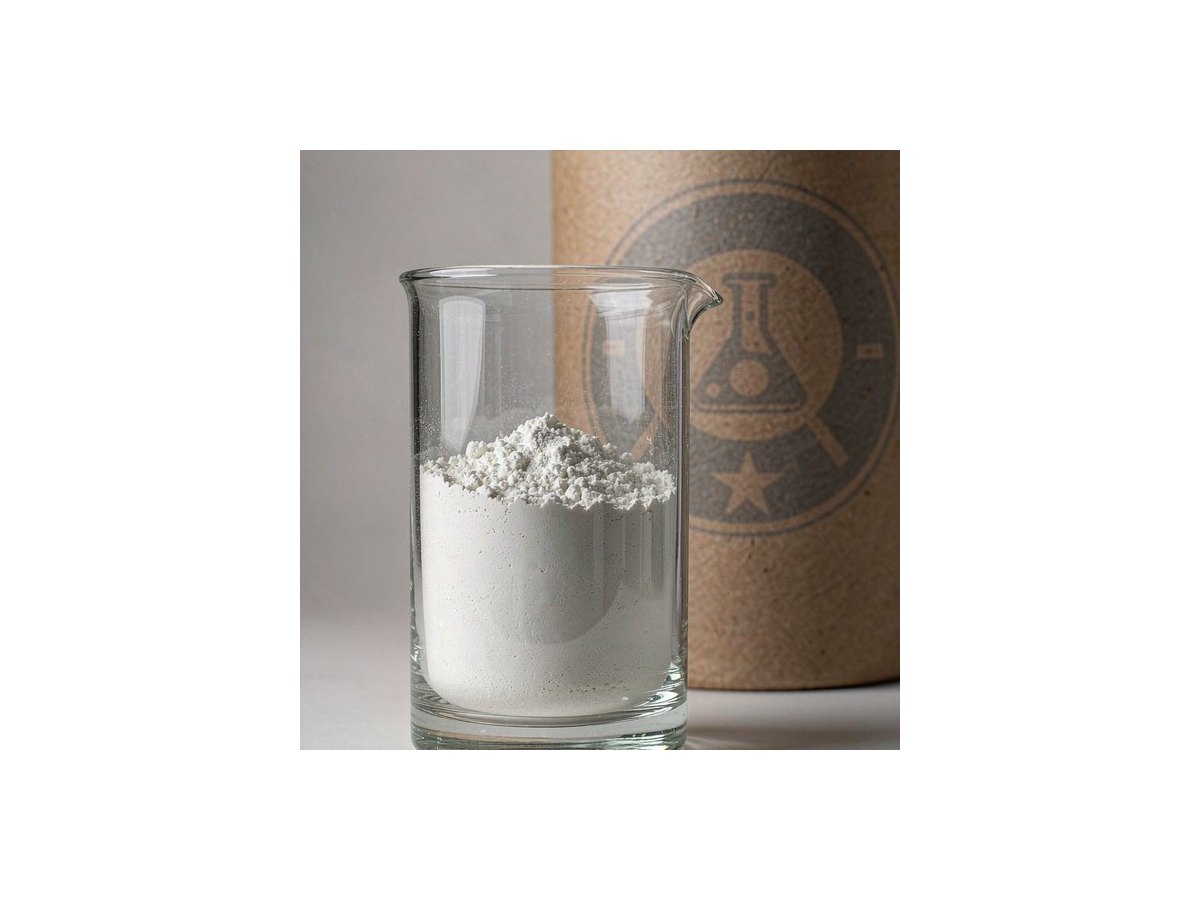
AppearanceWhite crystalline powder
Product FormPowder
Assay98.5-101.5%
Melting Point300.0 °C
SolubilityH2O: 0.5 M at 20 °C, clear, colorless
Grade StandardUSP / EP / AJI monograph
HS Code29211980
StorageStore in a dry place below 30 °C in closed containers; the crystal is non-hygroscopic and stable for 3 years under these conditions.
Packaging25 kg net (fibre drum with double PE liner) or as required
DocumentationCOA, TDS, MSDS and regulatory support available on request

Why Formulators Specify This Grade

  • Non-hygroscopic crystal: The crystalline grade picks up almost no moisture at ambient humidity, so it weighs out and blends cleanly instead of caking in high-shear mixers.
  • Sulfate and chloride control: Released at 98.5% minimum with tight limits on sulfate and chloride, the two impurities that shift taste and conductivity in beverage concentrates.
  • Survives UHT and hot fill: No measurable loss across pasteurisation and hot-fill cycles, which is why it is dosed before thermal treatment rather than after.
  • Fine and granular cuts: 40-mesh powder for stick packs and capsules, dust-free granular for dry blending lines that fight airborne dust.

Where It Is Used

  • Energy drinks: Dosed at 0.1-0.4% in carbonated and still energy drinks, usually alongside caffeine, glucuronolactone and B vitamins.
  • Infant formula: Added to narrow the gap between formula and the free taurine level of human milk, within infant formula limits.
  • Pet nutrition: An essential nutrient for cats, added to feline wet and dry diets where endogenous synthesis is insufficient.
  • Clinical and sports nutrition: Enteral formulas, amino acid infusions, capsules and powdered drink mixes.

Formulation & Handling Notes

Because taurine is not incorporated into protein it does not compete with other amino acids for absorption, and it carries no allergenic protein fraction. Solutions are stable from pH 2.5 to 4.2, the range that covers most carbonated beverages.

Market Supply & Sourcing

Taurine capacity is concentrated in China, where the ethanolamine route supplies most of the world's energy-drink and feed demand. Availability tightens ahead of the northern-hemisphere summer drinks season, and energy costs plus environmental inspections are the usual drivers behind price moves.

Frequently Asked Questions

What grade of Taurine do you supply?

Material is released to USP / EP / AJI monograph, with the assay and product-specific parameters stated on every COA, including non-hygroscopic crystal.

Can Taurine be used in energy drinks?

Dosed at 0.1-0.4% in carbonated and still energy drinks, usually alongside caffeine, glucuronolactone and B vitamins.

How should Taurine be stored?

Store in a dry place below 30 °C in closed containers; the crystal is non-hygroscopic and stable for 3 years under these conditions.

Supply, Documentation & Packaging

Bulk supply from 25 kg in fibre drums with double PE liner, palletised for sea or air freight from Shanghai / Ningbo / Qingdao. Lead time 7-15 working days after PO. COA, TDS and MSDS are issued per batch; GMP, ISO 9001, ISO 14001, CEP/DMF support documentation and regulatory support are available on request. Supplied strictly as a raw material for further processing, not as a finished dosage form.

Other bulk materials from the same range

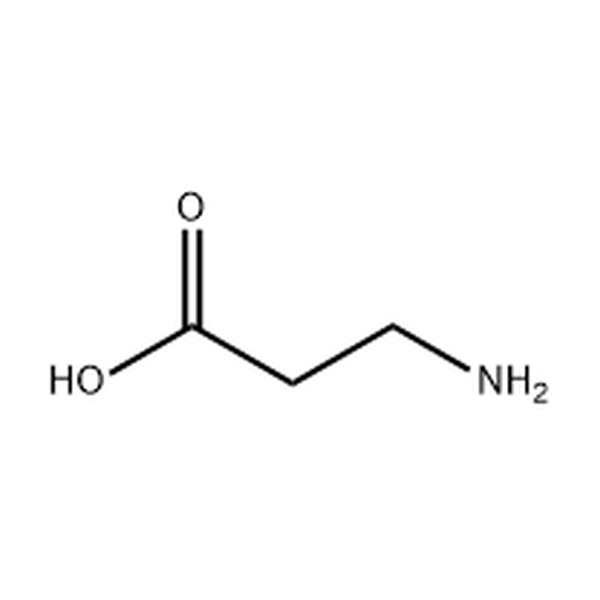
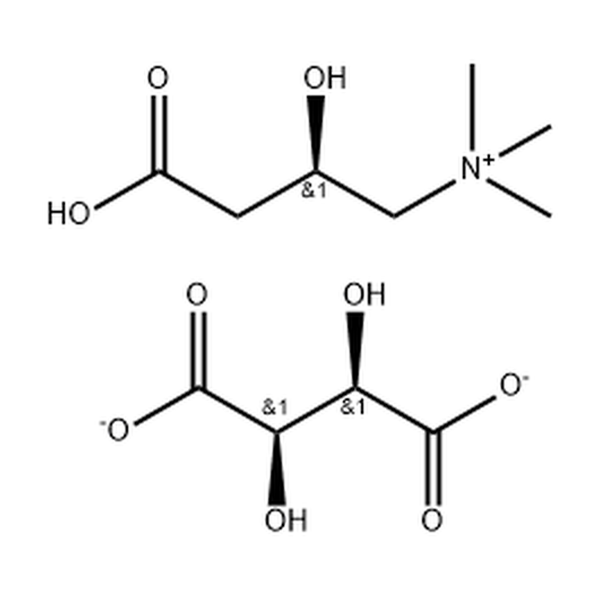
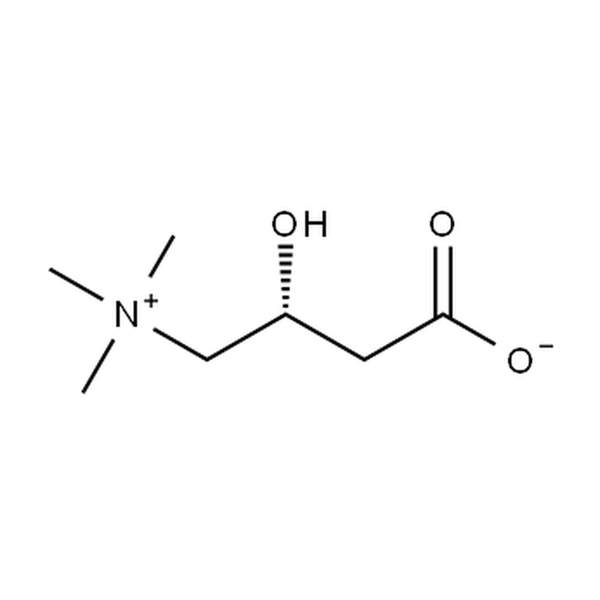
Beta-Alanine (CAS 107-95-9) · Creatine Monohydrate (CAS 6020-87-7) · L-Arginine (CAS 74-79-3) · L-Carnitine (CAS 541-15-1) · L-Carnitine tartrate (CAS 36687-82-8) · Vitamin C (Ascorbic Acid) (CAS 50-81-7). Specification sheets, COA and samples for any of these grades can be requested on the same inquiry.

Application guide: Energy drink formulation · Sports nutrition sourcing · Infant formula ingredients · Pet food formulation

Send Inquiry
Contact Info

address

EU Warehouse
NA Warehouse

whatsapp

Please click the WhatsApp link.

Email

Please click the WhatsApp link.

Telegram

Please click the WhatsApp link.

X
We use cookies to offer you a better browsing experience, analyze site traffic and personalize content. By using this site, you agree to our use of cookies. Privacy Policy
RejectAccept