Products
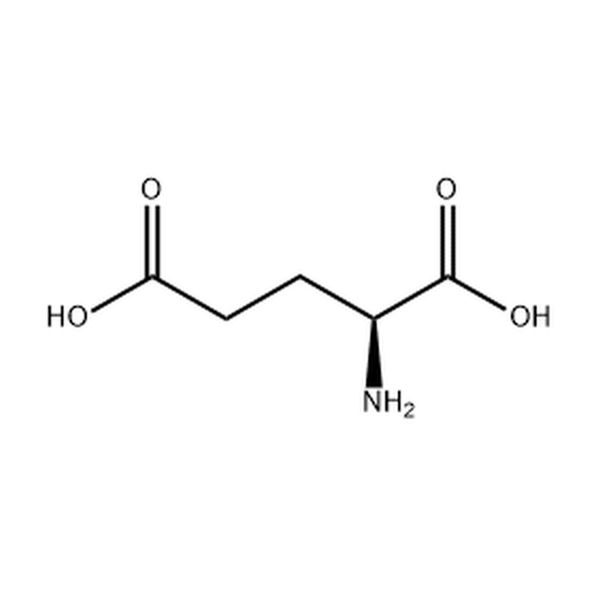
L-Glutamic acid (CAS: 56-86-0)

L-Glutamic Acid CAS 56-86-0 Bulk

Model:LGL-99
L-Glutamic acid is the amino acid behind umami, the taste that monosodium glutamate amplifies. Unlike the sodium salt it is only sparingly soluble, about 8.6 g/L at 25 °C, and crystallises readily, a property exploited both in purification and in sustained-release matrices.
  • LGL-99:

    Product Name: L-Glutamic acid CAS No.: 56-86-0 Molecular Formula: C5H9NO4 Molecular Weight: 147.13 g/mol Appearance: L-glutamic acid is a white phosphorus flake crystal Product Form: Crystalline solid Assay: ≥ 99.0% Melting Point: 205.0 °C Solubility: 1 M HCl: 100 mg/mL; water solubility 7.5 g/L (20 °C) Grade Standard: USP / EP / AJI monograph HS Code: 29224200 Storage: Store below 30 °C in a dry place; stable and non-hygroscopic in sealed containers. Packaging: 25 kg net (fibre drum with double PE liner) or as required Documentation: COA, TDS, MSDS and regulatory support available on request

L-Glutamic acid

Product Overview

L-Glutamic acid is the amino acid behind umami, the taste that monosodium glutamate amplifies. Unlike the sodium salt it is only sparingly soluble, about 8.6 g/L at 25 °C, and crystallises readily, a property exploited both in purification and in sustained-release matrices.

Specification

Product NameL-Glutamic acid
CAS No.56-86-0
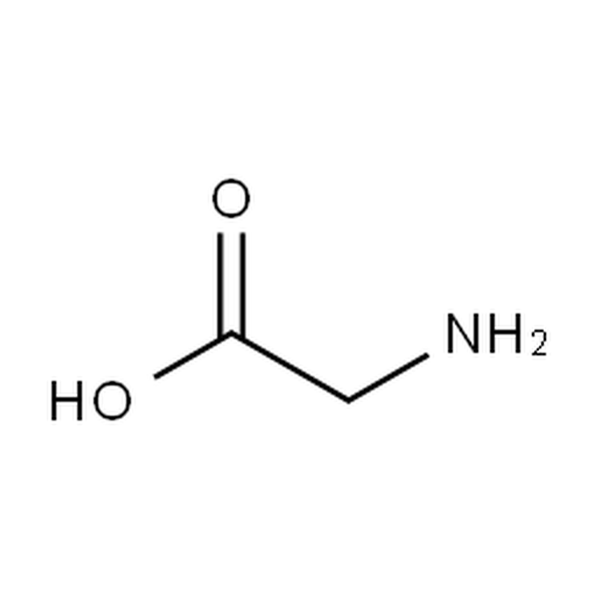
Molecular FormulaC5H9NO4
Molecular Weight147.13 g/mol
AppearanceL-glutamic acid is a white phosphorus flake crystal
Product FormCrystalline solid
Assay≥ 99.0%
Melting Point205.0 °C
Solubility1 M HCl: 100 mg/mL; water solubility 7.5 g/L (20 °C)
Grade StandardUSP / EP / AJI monograph
HS Code29224200
StorageStore below 30 °C in a dry place; stable and non-hygroscopic in sealed containers.
Packaging25 kg net (fibre drum with double PE liner) or as required
DocumentationCOA, TDS, MSDS and regulatory support available on request

Why Formulators Specify This Grade

  • Umami without sodium: Delivers glutamate taste to low-sodium formulations where MSG would push the sodium declaration too high.
  • Low solubility used deliberately: Crystallises out of solution at modest concentration, which is the basis of its use in slow-release and taste-masking matrices.
  • Controlled crystal size: Crystal size determines dissolution rate and mouthfeel; fine and coarse cuts are available for different dosage forms.
  • Pure L-enantiomer: D-glutamate is tasteless and is excluded by the optical rotation specification.

Where It Is Used

  • Flavour and seasoning: Umami base and precursor in reaction flavours and seasoning blends.
  • Pharmaceutical tablets: Sustained-release matrix former and tablet component.
  • Amino acid infusions: Component of parenteral nutrition solutions, where the sodium-free form is preferred.
  • Cosmetics: pH adjustment and skin-conditioning in acidic systems.

Formulation & Handling Notes

At neutral pH the acid dissolves only to about 0.9%. If a clear concentrated solution is needed, use the monosodium salt instead and declare the sodium.

Market Supply & Sourcing

Glutamic acid capacity is effectively the Chinese MSG industry, one of the largest fermentation businesses in the world. Prices move with corn and coal costs, and food-grade material is normally a fraction of the MSG stream rather than a dedicated plant.

Frequently Asked Questions

What grade of L-Glutamic acid do you supply?

Material is released to USP / EP / AJI monograph, with the assay and product-specific parameters stated on every COA, including umami without sodium.

Can L-Glutamic acid be used in flavour and seasoning?

Umami base and precursor in reaction flavours and seasoning blends.

How should L-Glutamic acid be stored?

Store below 30 °C in a dry place; stable and non-hygroscopic in sealed containers.

Supply, Documentation & Packaging

Bulk supply from 25 kg in fibre drums with double PE liner, palletised for sea or air freight from Shanghai / Ningbo / Qingdao. Lead time 7-15 working days after PO. COA, TDS and MSDS are issued per batch; GMP, ISO 9001, ISO 14001, CEP/DMF support documentation and regulatory support are available on request. Supplied strictly as a raw material for further processing, not as a finished dosage form.

Related raw materials our buyers source together

L-Carnitine (CAS 541-15-1) · L-Carnitine tartrate (CAS 36687-82-8) · L-Cystine (CAS 56-89-3) · L-Glutamine (CAS 56-85-9) · L-Glycine (CAS 56-40-6) · Vitamin E (D-alpha-Tocopherol) (CAS 59-02-9). Specification sheets, COA and samples for any of these grades can be requested on the same inquiry.

Application guide: Sports nutrition sourcing

Send Inquiry
Contact Info

address

EU Warehouse
NA Warehouse

whatsapp

Please click the WhatsApp link.

Email

Please click the WhatsApp link.

Telegram

Please click the WhatsApp link.

X
We use cookies to offer you a better browsing experience, analyze site traffic and personalize content. By using this site, you agree to our use of cookies. Privacy Policy
RejectAccept