Products
L-Cystine (CAS: 56-89-3)

L-Cystine CAS 56-89-3 Bulk Raw Material

Model:LCY-99
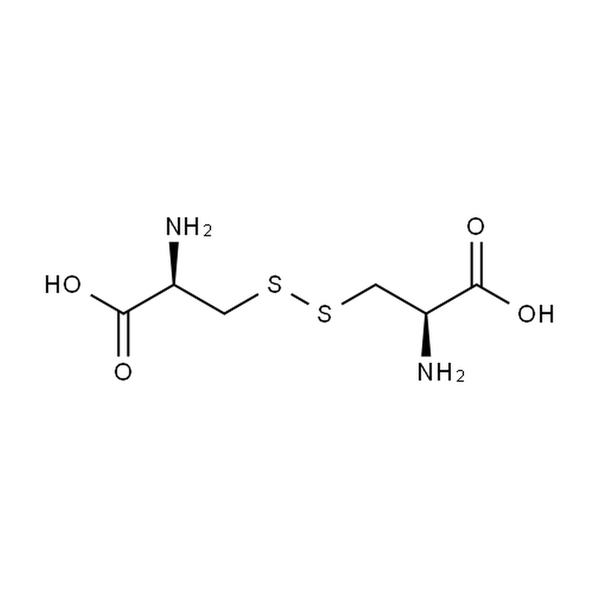
L-Cystine is two cysteine molecules joined by a disulfide bond. That bond makes it practically insoluble in water and alcohol, soluble only in acids and alkalis, a property that governs both how it is purified and how it must be formulated.
  • LCY-99:

    Product Name: L-Cystine CAS No.: 56-89-3 Molecular Formula: C6H12N2O4S2 Molecular Weight: 240.3 g/mol Appearance: A white or almost white, crystalline powder, practically insoluble in water and in alcohol Product Form: Powder Assay: ≥ 99.0% Melting Point: 240.0 °C Solubility: 1 M HCl: 100 mg/mL; water solubility 0.112 g/L (25 °C) Grade Standard: USP / EP / AJI monograph HS Code: 29309014 Storage: Store below 25 °C in a dry place away from light and oxidising agents; the disulfide is stable but can oxidise further to cysteic acid under strong oxidants. Packaging: 25 kg net (fibre drum with double PE liner) or as required Documentation: COA, TDS, MSDS and regulatory support available on request

L-Cystine

Product Overview

L-Cystine is two cysteine molecules joined by a disulfide bond. That bond makes it practically insoluble in water and alcohol, soluble only in acids and alkalis, a property that governs both how it is purified and how it must be formulated.

Specification

Product NameL-Cystine
CAS No.56-89-3
Molecular FormulaC6H12N2O4S2
Molecular Weight240.3 g/mol
AppearanceA white or almost white, crystalline powder, practically insoluble in water and in alcohol
Product FormPowder
Assay≥ 99.0%
Melting Point240.0 °C
Solubility1 M HCl: 100 mg/mL; water solubility 0.112 g/L (25 °C)
Grade StandardUSP / EP / AJI monograph
HS Code29309014
StorageStore below 25 °C in a dry place away from light and oxidising agents; the disulfide is stable but can oxidise further to cysteic acid under strong oxidants.
Packaging25 kg net (fibre drum with double PE liner) or as required
DocumentationCOA, TDS, MSDS and regulatory support available on request

Why Formulators Specify This Grade

  • Disulfide chemistry: The S-S bridge is the functional group: it is what reduces thioglycolate-reduced hair during neutralisation and what gives cystine its role as a sulfur donor.
  • Very low water solubility: Around 0.1 g/L in water at 25 °C. It must be dissolved in dilute acid or alkali, or used as a fine dispersion, never as a simple aqueous solution.
  • Whiteness and particle size: Fine white powder with controlled whiteness, important for cosmetic and pharmaceutical applications where colour is a visible defect.
  • L-form only: Supplied as the L-enantiomer; D-cystine has no nutritional value and is controlled as an impurity.

Where It Is Used

  • Hair care: The active chemistry behind permanent waving, depilatory and bleaching-neutralising systems.
  • Pharmaceuticals: Expectorant and mucolytic preparations, liver support and antidote formulations.
  • Food and nutrition: Dough conditioning and amino acid blends for clinical nutrition.
  • Cell culture: Component of specialised media where cystine supplies a stable, slow-release sulfur source.

Formulation & Handling Notes

Do not attempt to dissolve cystine at neutral pH; use hydrochloric acid or sodium hydroxide solutions, then neutralise. In cosmetic emulsions it is normally dispersed at low loading rather than dissolved.

Market Supply & Sourcing

L-cystine is recovered from keratin hydrolysates, mainly human hair and feather meal, so supply is tied to raw-material collection and to cysteine demand from the pharmaceutical industry. Chinese producers dominate, and prices have historically been volatile because the feedstock is a by-product stream.

Frequently Asked Questions

What grade of L-Cystine do you supply?

Material is released to USP / EP / AJI monograph, with the assay and product-specific parameters stated on every COA, including disulfide chemistry.

Can L-Cystine be used in hair care?

The active chemistry behind permanent waving, depilatory and bleaching-neutralising systems.

How should L-Cystine be stored?

Store below 25 °C in a dry place away from light and oxidising agents; the disulfide is stable but can oxidise further to cysteic acid under strong oxidants.

Supply, Documentation & Packaging

Bulk supply from 25 kg in fibre drums with double PE liner, palletised for sea or air freight from Shanghai / Ningbo / Qingdao. Lead time 7-15 working days after PO. COA, TDS and MSDS are issued per batch; GMP, ISO 9001, ISO 14001, CEP/DMF support documentation and regulatory support are available on request. Supplied strictly as a raw material for further processing, not as a finished dosage form.

Frequently sourced alongside this product

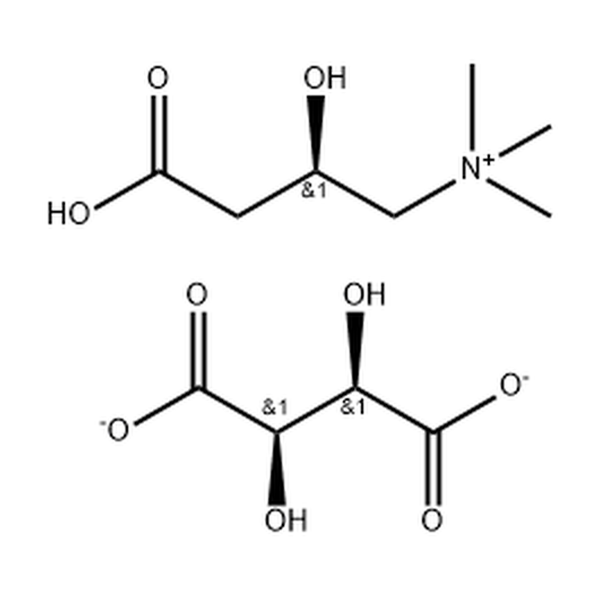
L-Carnitine tartrate (CAS 36687-82-8) · L-Glutamic acid (CAS 56-86-0) · L-Glutamine (CAS 56-85-9) · L-Glycine (CAS 56-40-6) · L-Isoleucine (CAS 73-32-5) · Folic Acid (Vitamin B9) (CAS 59-30-3). Specification sheets, COA and samples for any of these grades can be requested on the same inquiry.

Application guide: Pharma excipients

Send Inquiry
Contact Info

address

EU Warehouse
NA Warehouse

whatsapp

Please click the WhatsApp link.

Email

Please click the WhatsApp link.

Telegram

Please click the WhatsApp link.

X
We use cookies to offer you a better browsing experience, analyze site traffic and personalize content. By using this site, you agree to our use of cookies. Privacy Policy
RejectAccept