News

Sports Nutrition Raw Materials: Grades, Particle Size and What Buyers Should Specify

2026-11-16 0 Leave me a message

Two suppliers quote 98% L-leucine and one of them will not blend. Two quotes for creatine monohydrate look identical until the filling line runs at 120 sachets a minute and the weights drift. In sports nutrition the specification rarely fails on assay; it fails on the physical and isomeric details that nobody wrote down.

Creatine monohydrate: mesh before price

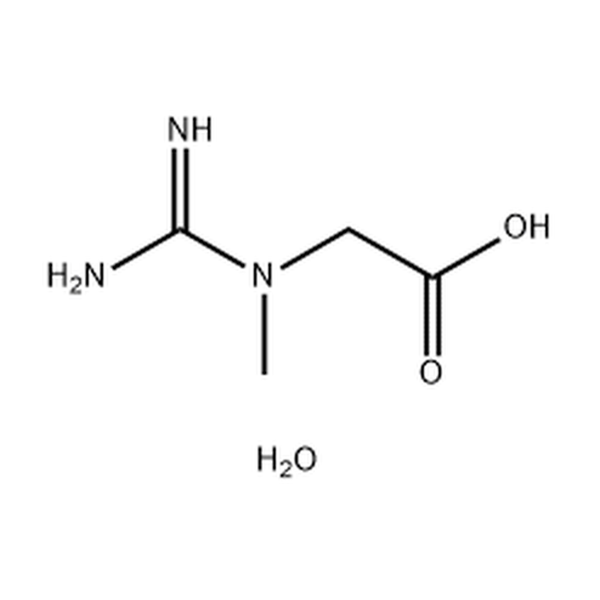
Creatine Monohydrate is ~88% creatine by weight, capped by the monohydrate stoichiometry, so a materially lower assay is a moisture or impurity story rather than a better process. The commercial decision is particle size: 80 mesh flows freely and holds fill weight on high-speed auger lines, while 200 mesh wets faster and settles more slowly in a shaker. Ask for D50 and the oversize fraction, because two lots that both “pass 200 mesh” can behave differently on the same machine.

We cover the difference in detail in our mesh comparison, including the dicyandiamide and creatinine lines that decide EU and North American lot acceptance.

BCAAs: specific rotation is the tell

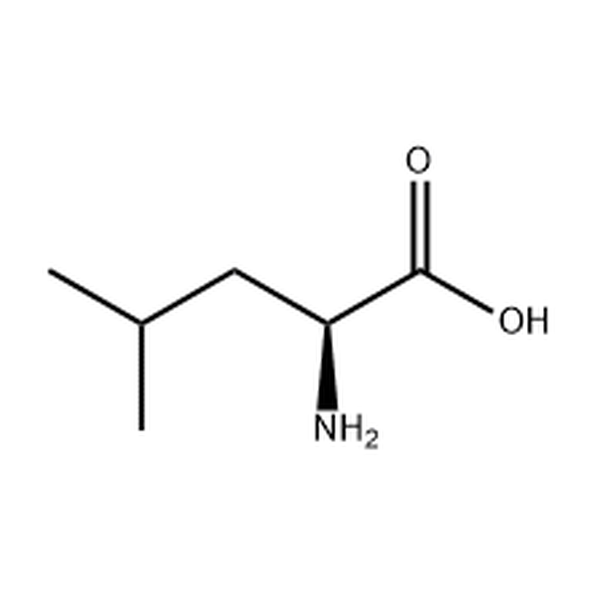
L-Leucine and L-Isoleucine are sold on assay, but the figure that separates a fermentation-derived pharmaceutical grade from a cheap blend is specific rotation. A leucine lot contaminated with the D-enantiomer still titrates near 99% while tasting flat and failing a label claim audit. Write the rotation range and the related-substance limit into the specification, and ask for the chromatogram rather than the summary line.

Isoleucine is the more expensive of the three BCAAs and the one most often substituted. Verify by retention time against a reference standard, not by a supplier's own certificate alone.

Beta-alanine: dose versus paraesthesia

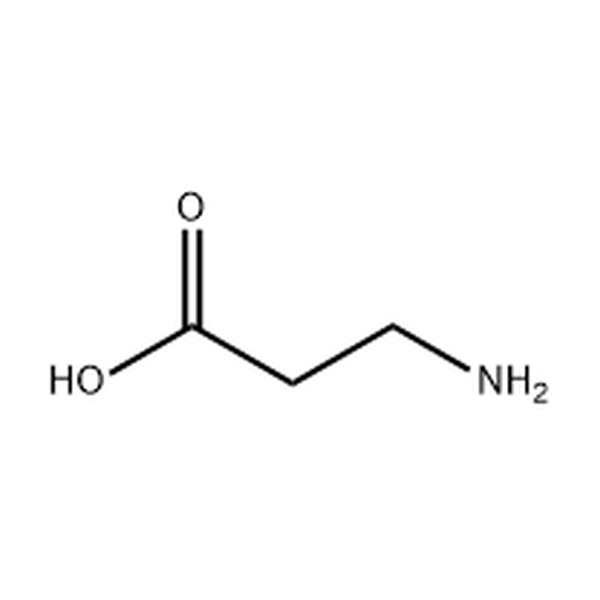
Beta-Alanine at the studied 3.2 g/day is almost always split into 4–6 doses because a single bolus produces paraesthesia that consumers describe as a bad product. That is a formulation constraint, not an impurity: specify a tight particle size distribution so the split doses dissolve consistently, and screen the lot for diaminopropionic acid, the synthesis impurity that shows up when the ammonolysis step is rushed.

Blending: match the physics, not the label

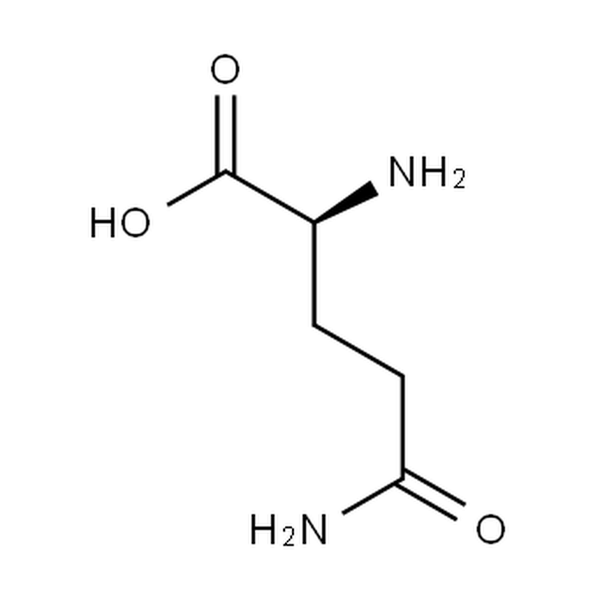
A dry blend segregates when components differ in particle size or density. L-Glutamine and L-Tyrosine are cohesive and prone to static, so a fine ingredient dropped into a coarse blend drifts to the bottom of the drum in transit and the last scoops no longer match the label. Either match the particle profile across the amino acid range or declare the blend a suspension and instruct the consumer to shake.

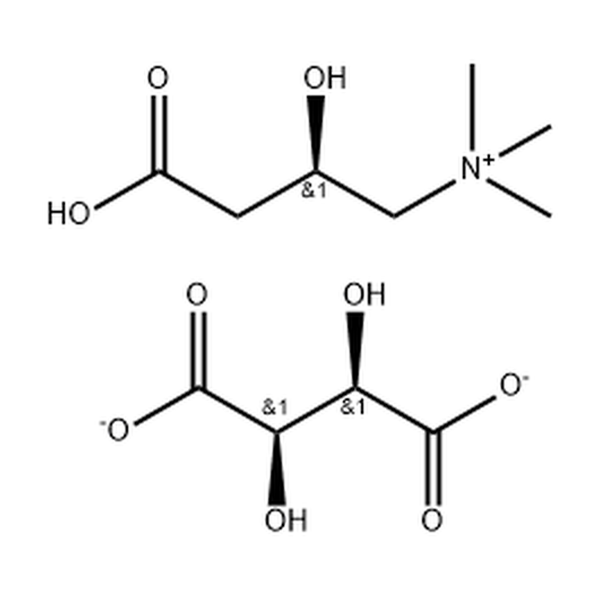
L-Arginine is hygroscopic in the base form and picks up water in an open drum; specify the sealed liner and the storage condition. L-Carnitine tartrate is chosen over the base precisely because it is non-hygroscopic and free-flowing, at the cost of a lower carnitine fraction per gram.

What to write into the purchase specification

IngredientLines that matter
Creatine monohydrateAssay 98.5–101.5%; mesh/D50; dicyandiamide; creatinine; LOD ≤0.5%
L-LeucineAssay 98.5–101.0%; specific rotation; D-isomer; chloride; heavy metals
Beta-alanineAssay ≥98%; diaminopropionic acid; mesh; LOD
L-GlutamineAssay 98.5–101.5%; bulk density; related substances
L-Carnitine tartrateCarnitine content 68±2%; tartrate ratio; LOD

Sourcing note

These grades ship from stock in 25 kg fibre drums with a batch COA, and 200 mesh and 80 mesh creatine can be sampled together so the trial compares like with like. Full BCAA 2:1:1 and 4:1:1 blends are quoted as a pre-mixed kit when a customer runs one blending line.

Running a trial that predicts the line

Ask for the same lot to be sent twice: once as a sample and once as the production drum, then compare the two COAs. Suppliers who substitute a clean sample lot for a production lot are common, and the difference shows up in bulk density and flow rather than in assay. Weigh-fill a hundred units on your own equipment before committing to a tonnage, and record the weight standard deviation rather than the average — the average always looks fine.

For blends, run a segregation test: fill a drum, transport it for an hour, then sample from top, middle and bottom and assay the most expensive component. If the top and bottom differ by more than a few percent, the particle profiles do not match and no amount of mixing time will fix it.

Related products

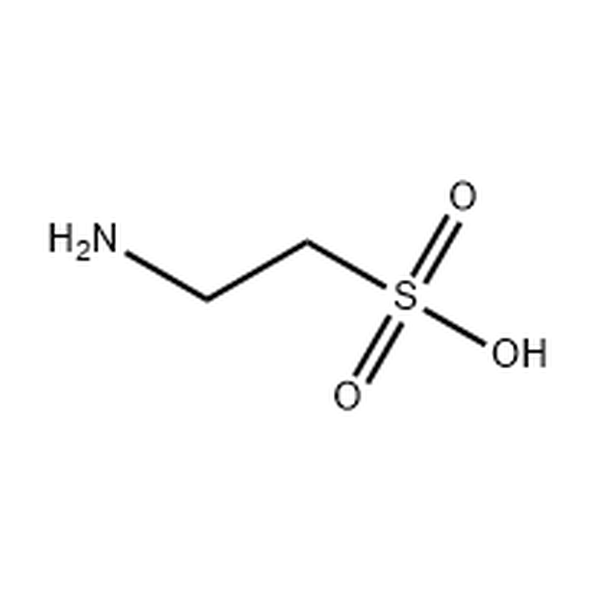
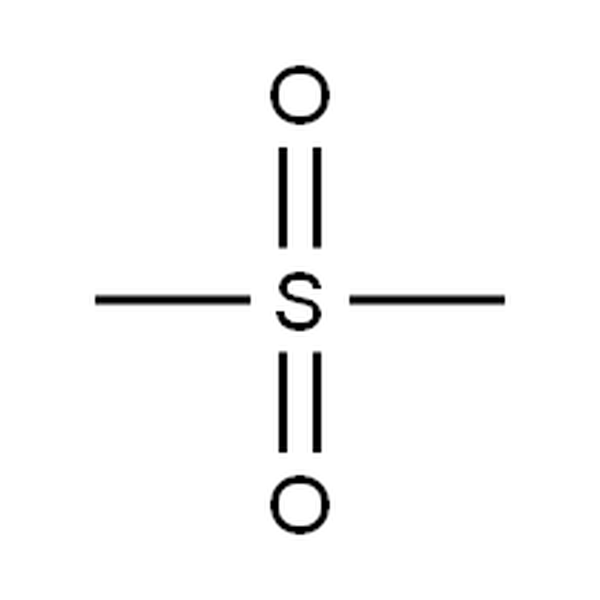
Creatine Monohydrate · Beta-Alanine · L-Carnitine tartrate · Taurine · L-Leucine · L-Glutamine · MSM (Methylsulfonylmethane). All are bulk-supplied with COA and specification sheet; samples are available so the grade can be checked against your process before the first order.

Related News
Leave me a message
X
We use cookies to offer you a better browsing experience, analyze site traffic and personalize content. By using this site, you agree to our use of cookies. Privacy Policy
RejectAccept