Products
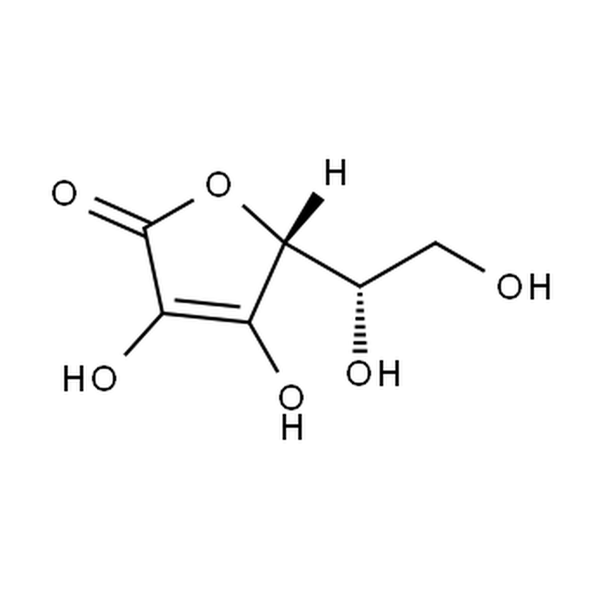
Vitamin C (Ascorbic Acid) (CAS: 50-81-7)

Ascorbic Acid CAS 50-81-7 Bulk Supplier

Model:VTM-99
Ascorbic acid is a water-soluble lactone that acts as a two-electron reducing agent, which is why one molecule serves as a nutrient, a dough improver, a colour protectant and a curing accelerator. The same reactivity makes it the ingredient most sensitive to moisture, trace metals and heat in the.
  • VTM-99:

    Product Name: Vitamin C (Ascorbic Acid) CAS No.: 50-81-7 Molecular Formula: C6H8O6 Molecular Weight: 176.12 g/mol Appearance: White crystals (plates or needles) Product Form: Crystalline solid Assay: 99.0-100.5% Melting Point: 190.0 °C - 194.0 °C Solubility: H2O: 50 mg/mL at 20 °C, clear, nearly colorless; water solubility 333 g/L (20 °C) Grade Standard: USP / FCC / EP monograph HS Code: 29362700 Storage: Store sealed below 25 °C, protected from light and moisture; keep away from metal surfaces. Packaging: 25 kg net (fibre drum with double PE liner) or as required Documentation: COA, TDS, MSDS and regulatory support available on request

Vitamin C (Ascorbic Acid)

Product Overview

Ascorbic acid is a water-soluble lactone that acts as a two-electron reducing agent, which is why one molecule serves as a nutrient, a dough improver, a colour protectant and a curing accelerator. The same reactivity makes it the ingredient most sensitive to moisture, trace metals and heat in the whole vitamin range.

Specification

Product NameVitamin C (Ascorbic Acid)
CAS No.50-81-7
Molecular FormulaC6H8O6
Molecular Weight176.12 g/mol
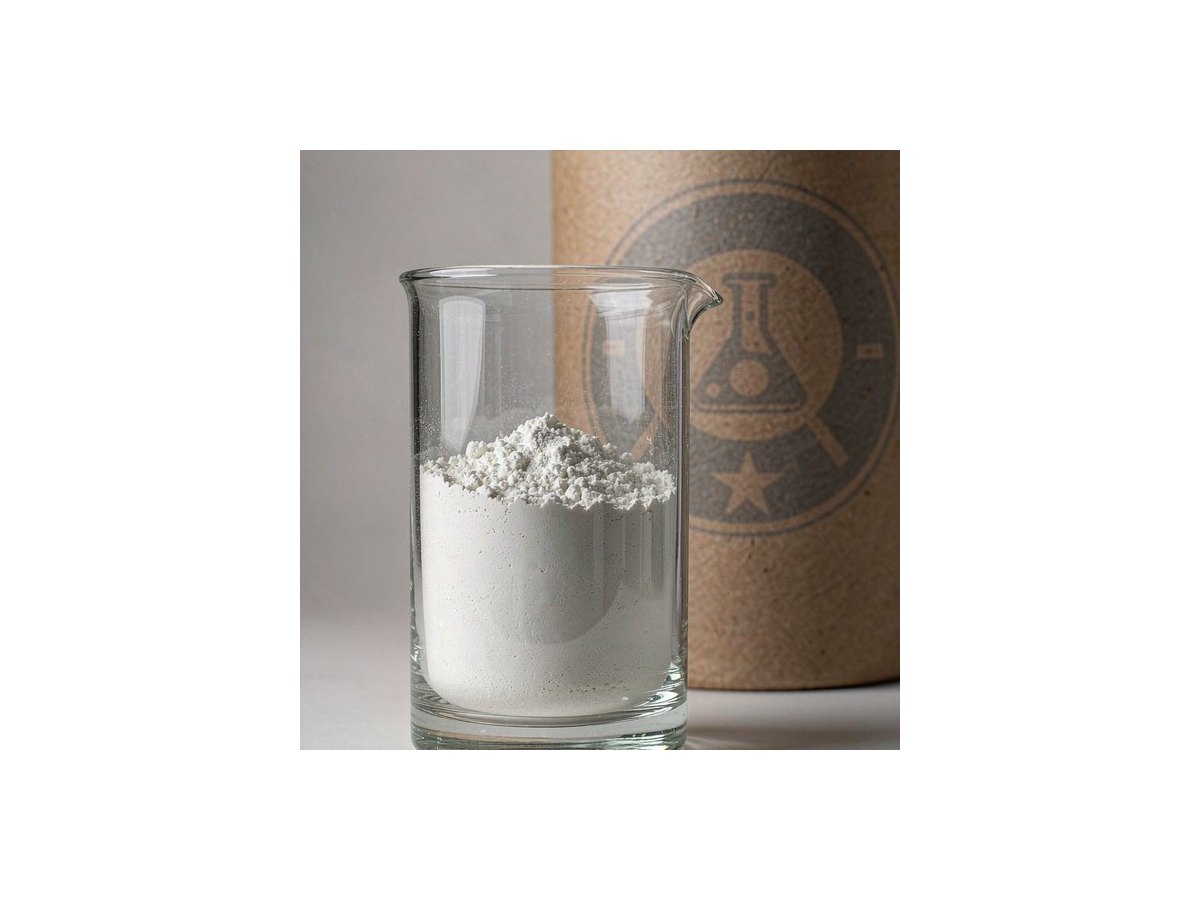
AppearanceWhite crystals (plates or needles)
Product FormCrystalline solid
Assay99.0-100.5%
Melting Point190.0 °C - 194.0 °C
SolubilityH2O: 50 mg/mL at 20 °C, clear, nearly colorless; water solubility 333 g/L (20 °C)
Grade StandardUSP / FCC / EP monograph
HS Code29362700
StorageStore sealed below 25 °C, protected from light and moisture; keep away from metal surfaces.
Packaging25 kg net (fibre drum with double PE liner) or as required
DocumentationCOA, TDS, MSDS and regulatory support available on request

What This Grade Delivers

  • Assay 99.0-100.5%: The pharmacopoeial window is narrow because both under- and over-strength matter in fortification and in pharmaceutical dosage.
  • Trace-metal control: Copper and iron catalyse the oxidation that turns ascorbic acid brown; residue on ignition is controlled and drums are lined to limit metal contact.
  • Particle cuts for tableting: Fine, granular and direct-compression grades differ in compressibility and dissolution; choosing the right cut avoids costly granulation.
  • Low moisture is the whole game: Loss on drying is held low because water plus a trace metal is exactly the combination that destroys the molecule in storage.

How It Performs in Application

  • Tablets and capsules: 500 mg-1 g dosage forms, often as the direct-compression grade to avoid wet granulation.
  • Beverages and food: Antioxidant E300, colour protectant in fruit systems and oxygen scavenger in packaged foods.
  • Meat processing: Accelerates nitrite reduction and stabilises cured colour alongside sodium erythorbate.
  • Pharmaceuticals: Antioxidant excipient and active ingredient in injections and effervescent dosage forms.

Formulation & Handling Notes

Aqueous ascorbic acid is most stable between pH 3 and 4.5 and degrades quickly above pH 6. Copper, iron and light all accelerate loss, so use deionised water, chelate with EDTA where permitted, and fill into opaque packaging.

Market Supply & Sourcing

China produces the large majority of the world's ascorbic acid, and output runs in campaigns from corn-derived glucose. Prices are cyclical and have historically moved on producer discipline and environmental shutdowns rather than on demand, which makes long-term contracts attractive for large users.

Frequently Asked Questions

Which specification does your Vitamin C (Ascorbic Acid) meet?

Material is released to USP / FCC / EP monograph, with the assay and product-specific parameters stated on every COA, including assay 99.0-100.5%.

Can Vitamin C (Ascorbic Acid) be used in tablets and capsules?

500 mg-1 g dosage forms, often as the direct-compression grade to avoid wet granulation.

What storage conditions does Vitamin C (Ascorbic Acid) need?

Store sealed below 25 °C, protected from light and moisture; keep away from metal surfaces.

Supply, Documentation & Packaging

Packed from 25 kg in double PE-lined fibre drums and shipped from Shanghai / Ningbo / Qingdao within 7-15 working days after PO. Every lot is released against USP / FCC / EP monograph with a batch-specific COA, TDS and MSDS. superpharmagroup supplies this product as a bulk raw material only; it does not manufacture or sell finished dosage forms. GMP, ISO 9001, ISO 14001, CEP/DMF support documentation available on request.

Frequently sourced alongside this product

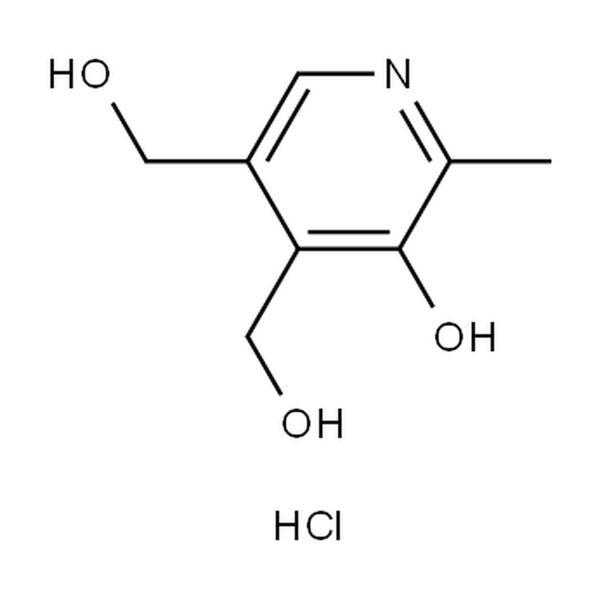
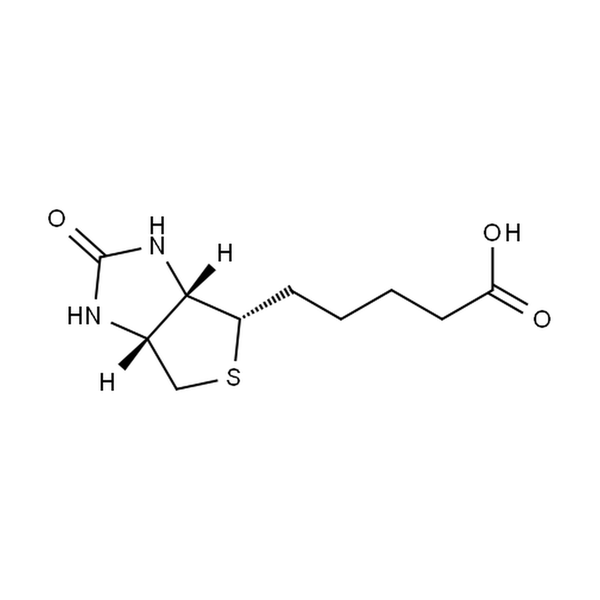
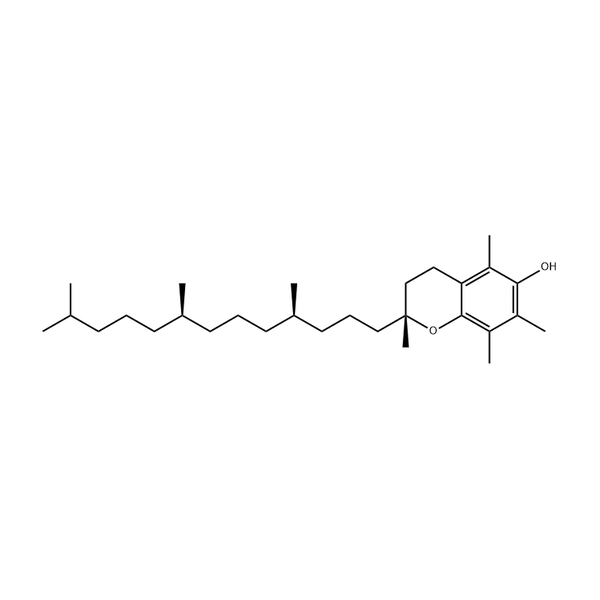
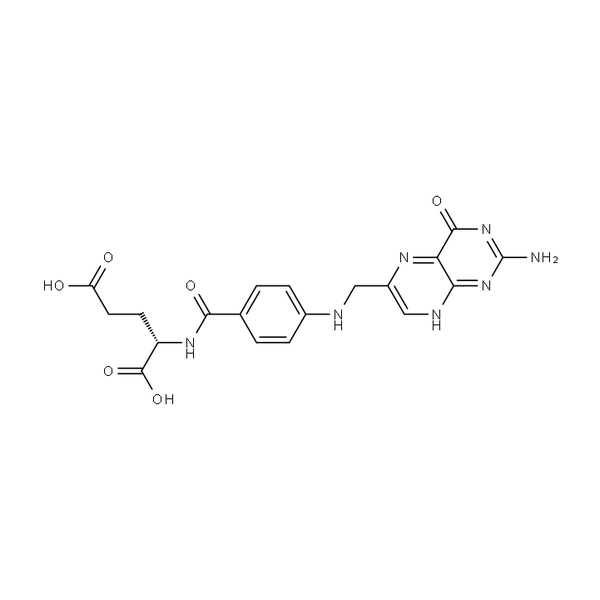
Vitamin B6 (Pyridoxine HCl) (CAS 58-56-0) · Vitamin E (D-alpha-Tocopherol) (CAS 59-02-9) · Vitamin H (Biotin) (CAS 58-85-5) · Beta Carotene (CAS 7235-40-7) · Folic Acid (Vitamin B9) (CAS 59-30-3) · L-Leucine (CAS 61-90-5). Specification sheets, COA and samples for any of these grades can be requested on the same inquiry.

Application guide: Energy drink formulation · Infant formula ingredients · Beverage preservation

Send Inquiry
Contact Info

address

EU Warehouse
NA Warehouse

whatsapp

Please click the WhatsApp link.

Email

Please click the WhatsApp link.

Telegram

Please click the WhatsApp link.

X
We use cookies to offer you a better browsing experience, analyze site traffic and personalize content. By using this site, you agree to our use of cookies. Privacy Policy
RejectAccept