Products
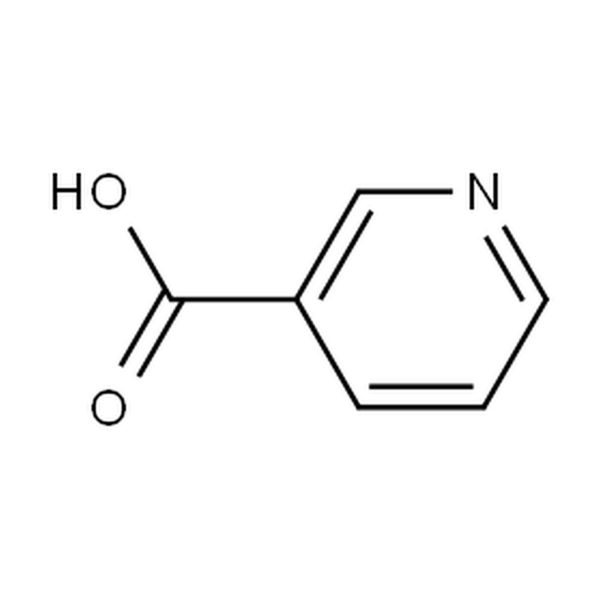
Vitamin B3 (Niacin) (CAS: 59-67-6)

Niacin CAS 59-67-6 Bulk Raw Material

Model:VTM-99
Niacin, or nicotinic acid, is the flushing form of vitamin B3. Above roughly 50 mg it dilates cutaneous capillaries and produces a visible, transient flush, which is either the product's selling point or its fatal flaw depending on positioning.
  • VTM-99:

    Product Name: Vitamin B3 (Niacin) CAS No.: 59-67-6 Molecular Formula: C6H5NO2 Molecular Weight: 123.11 g/mol Appearance: White powder Product Form: Powder Assay: 99.0-101.0% Melting Point: 236.0 °C - 239.0 °C Solubility: 18g/l Grade Standard: USP / FCC / EP monograph HS Code: 29362990 Storage: Store below 30 °C in a dry place, protected from light; stable and non-hygroscopic. Packaging: 25 kg net (fibre drum with double PE liner) or as required Documentation: COA, TDS, MSDS and regulatory support available on request

Vitamin B3 (Niacin)

Product Overview

Niacin, or nicotinic acid, is the flushing form of vitamin B3. Above roughly 50 mg it dilates cutaneous capillaries and produces a visible, transient flush, which is either the product's selling point or its fatal flaw depending on positioning.

Specification

Product NameVitamin B3 (Niacin)
CAS No.59-67-6
Molecular FormulaC6H5NO2
Molecular Weight123.11 g/mol
AppearanceWhite powder
Product FormPowder
Assay99.0-101.0%
Melting Point236.0 °C - 239.0 °C
Solubility18g/l
Grade StandardUSP / FCC / EP monograph
HS Code29362990
StorageStore below 30 °C in a dry place, protected from light; stable and non-hygroscopic.
Packaging25 kg net (fibre drum with double PE liner) or as required
DocumentationCOA, TDS, MSDS and regulatory support available on request

Why Formulators Specify This Grade

  • Flush is concentration-dependent: The prostaglandin-mediated flush appears above about 50 mg in a single dose; below that the same molecule behaves as an ordinary B3 vitamin.
  • Assay 99.0-101.0%: Tight window because niacin is dosed at milligram levels in premix and overage is expensive at scale.
  • Solubility about 16 g/L: Enough for beverage fortification at B-complex levels, far below what a gram-scale dose would need.
  • Feed grade availability: Micronised feed grade for premix, where dust and segregation are the practical problems.

Where It Is Used

  • Flush-niacin supplements: Deliberately marketed for the lipid effect, with dose-escalation instructions on pack.
  • Feed premix: Pellagra prevention and growth support in poultry, swine and ruminants.
  • Food fortification: Cereal and flour premix in mandatory fortification programmes.
  • Pharmaceuticals: Lipid-modifying prescription products and B-complex injections.

Formulation & Handling Notes

If flushing is unacceptable, switch to nicotinamide: same vitamin activity, no vasodilation. Do not simply reduce the niacin dose and claim the same effect, because the lipid effect is dose-dependent.

Market Supply & Sourcing

Niacin is produced from pyridine or 3-picoline derivatives, with Chinese capacity supplying most of the feed and supplement trade. Picoline availability and environmental controls on pyridine chemistry are the two factors that most often tighten the market.

Frequently Asked Questions

What grade of Vitamin B3 (Niacin) do you supply?

Material is released to USP / FCC / EP monograph, with the assay and product-specific parameters stated on every COA, including flush is concentration-dependent.

Can Vitamin B3 (Niacin) be used in flush-niacin supplements?

Deliberately marketed for the lipid effect, with dose-escalation instructions on pack.

How should Vitamin B3 (Niacin) be stored?

Store below 30 °C in a dry place, protected from light; stable and non-hygroscopic.

Supply, Documentation & Packaging

Bulk supply from 25 kg in fibre drums with double PE liner, palletised for sea or air freight from Shanghai / Ningbo / Qingdao. Lead time 7-15 working days after PO. COA, TDS and MSDS are issued per batch; GMP, ISO 9001, ISO 14001, CEP/DMF support documentation and regulatory support are available on request. Supplied strictly as a raw material for further processing, not as a finished dosage form.

Frequently sourced alongside this product

Beta Carotene (CAS 7235-40-7) · Folic Acid (Vitamin B9) (CAS 59-30-3) · Inositol (CAS 87-89-8) · Nicotinamide (CAS 98-92-0) · Vitamin A (Retinol) (CAS 68-26-8) · L-Ornithine (CAS 70-26-8). Specification sheets, COA and samples for any of these grades can be requested on the same inquiry.

Application guide: Infant formula ingredients

Send Inquiry
Contact Info

address

EU Warehouse
NA Warehouse

whatsapp

Please click the WhatsApp link.

Email

Please click the WhatsApp link.

Telegram

Please click the WhatsApp link.

X
We use cookies to offer you a better browsing experience, analyze site traffic and personalize content. By using this site, you agree to our use of cookies. Privacy Policy
RejectAccept