News

Infant Formula Ingredients: Why Grade and Documentation Outweigh Price

2026-11-16 0 Leave me a message

No category punishes a cheap ingredient decision harder than infant nutrition. The dose is small, the consumer cannot report a defect, and the documentation burden is closer to pharmaceutical than to food. Price differences of a few percent per kilogram disappear next to the cost of a rejected lot or a market withdrawal.

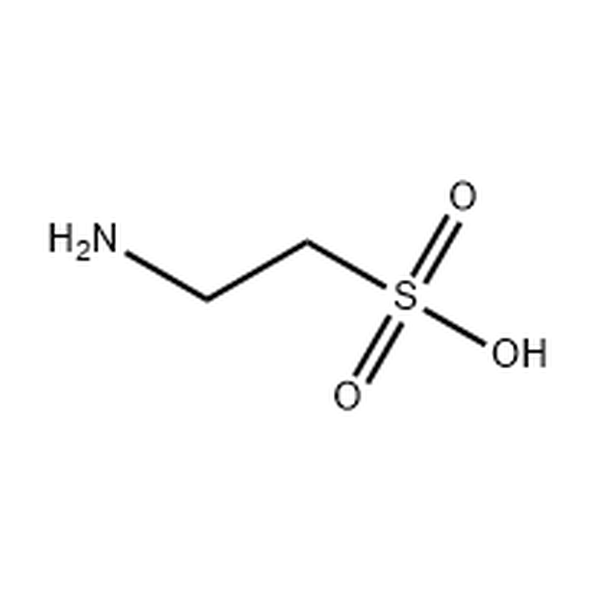
Taurine and L-carnitine: conditionally essential, strictly specified

Infant formula is supplemented with Taurine because the infant's cysteine sulfinic acid decarboxylase activity is limited, and with L-Carnitine because the endogenous synthesis pathway is immature. Both are added at milligram levels, which means the analytical method's limit of quantification matters as much as the assay value.

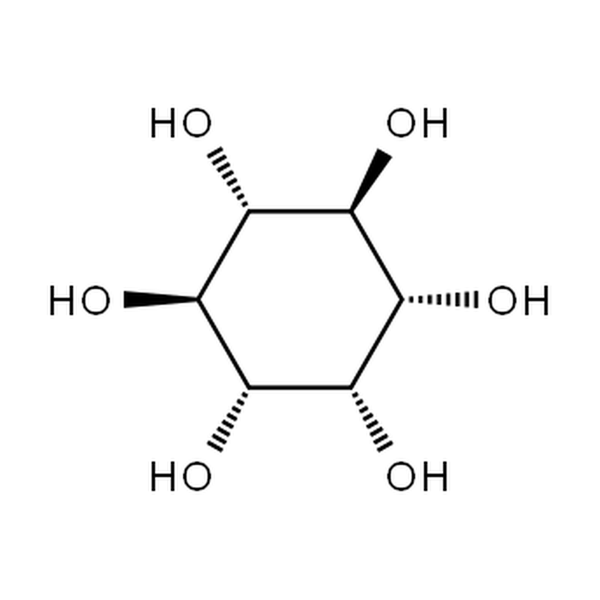
Specify pharma or infant-grade material with a heavy-metal package, a residual solvent statement and, critically, a per-lot COA rather than a periodic one. Inositol follows the same logic: the addition level is low, so a lot with 2% carryover moisture is a real dosing error, not a rounding difference.

Vitamins: overage is a calculation, not a guess

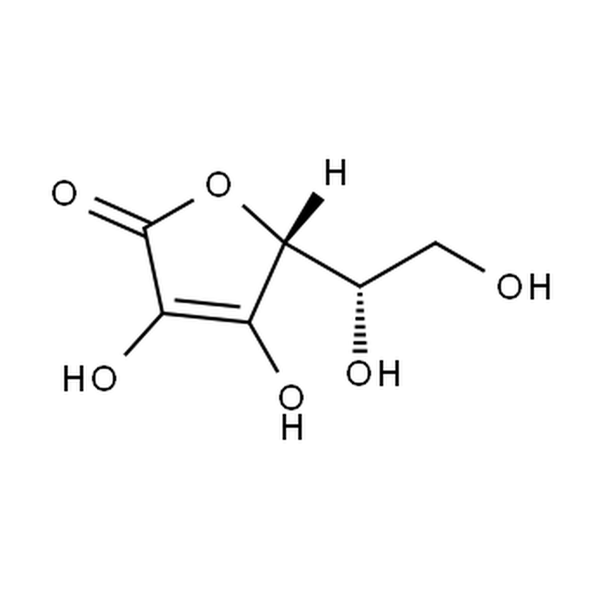
Spray drying and 18–24 months of ambient storage destroy a predictable fraction of the vitamins you paid for. Vitamin A (Retinol) and Vitamin C (Ascorbic Acid) are the two that move most; Vitamin E (D-alpha-Tocopherol) is usually added as the more stable acetate ester for the same reason. The overage has to be calculated per process and per packaging format — a cannister with a nitrogen flush loses far less than a sachet in a humid market.

Where the label declares a minimum at end of shelf life, the release specification must be the end-of-life figure plus the validated loss. Buyers who skip this step discover the gap in a stability study, which is the expensive place to find it.

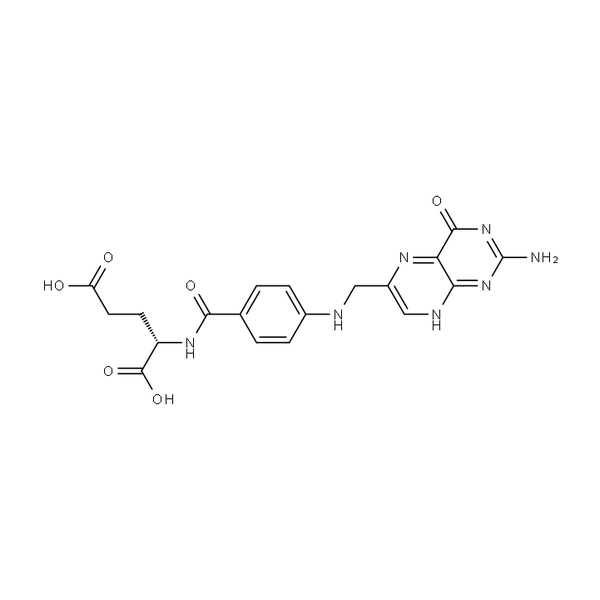
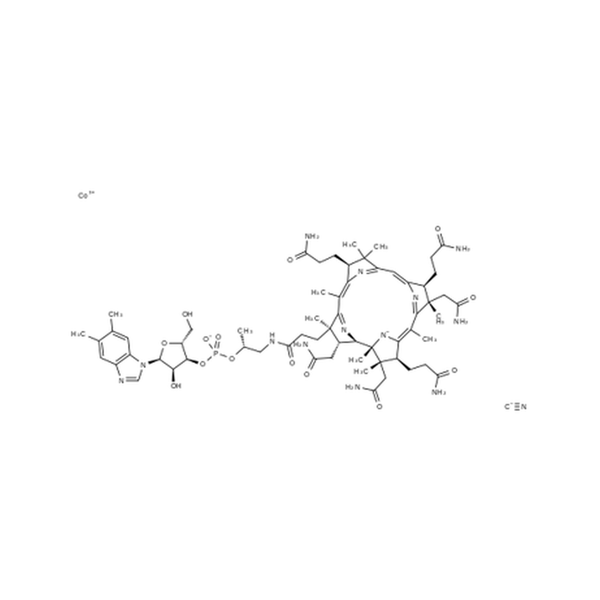
Folic Acid (Vitamin B9) and Vitamin B12 (Cyanocobalamin) are added at microgram levels and are the most common source of “present but not detectable” findings, usually from poor premix distribution rather than a bad lot. Vitamin B1 (Thiamine HCl) and Vitamin B2 (Riboflavin) are more forgiving but still need a declared assay basis.

The documentation package

  • Batch-specific COA with assay basis stated (dried or as-is) and the analytical method referenced.
  • Heavy metals package including lead, arsenic, cadmium and mercury to the limits of the destination market.
  • Allergen and GMO statements, plus a melamine and cyanuric acid declaration for protein-adjacent streams.
  • TSE/BSE and irradiation statements, and a country-of-origin declaration that matches the shipping documents.
  • Retained sample and traceability commitment covering the shelf life of the finished product.

What to write into the purchase specification

IngredientLines that matter
TaurineAssay 98.5–101.5%; chloride; sulfate; heavy metals; clarity
L-CarnitineAssay 97.0–103.0%; specific rotation; related substances
InositolAssay ≥99%; LOD ≤0.5%; melting range
Vitamin ADeclared potency in IU/g; carrier; antioxidant; stability data
Folic AcidAssay 95.0–102.0%; related substances; LOD

Sourcing note

Infant-grade taurine, L-carnitine and inositol are supplied with per-lot documentation packages and 25 kg MOQ. Where a customer runs a complete premix, the micronutrient set can be quoted as one blended kit with a single COA covering the blend, which removes the distribution problem rather than testing for it afterwards.

Running a trial that predicts the line

Infant nutrition trials are documentation exercises before they are sensory ones. Send the specification to the supplier and ask them to return a completed COA against it, not a generic certificate — the gaps in that reply are the gaps in the qualification. Then run one spray-drying or dry-blend cycle and assay the micronutrients at the point the consumer would open the pack, not at the mixer.

Keep a retained sample of every lot you qualify. When a stability study shows a vitamin below label at month twelve, the retained sample is the only way to establish whether the loss happened in your process or arrived in the drum.

Related products

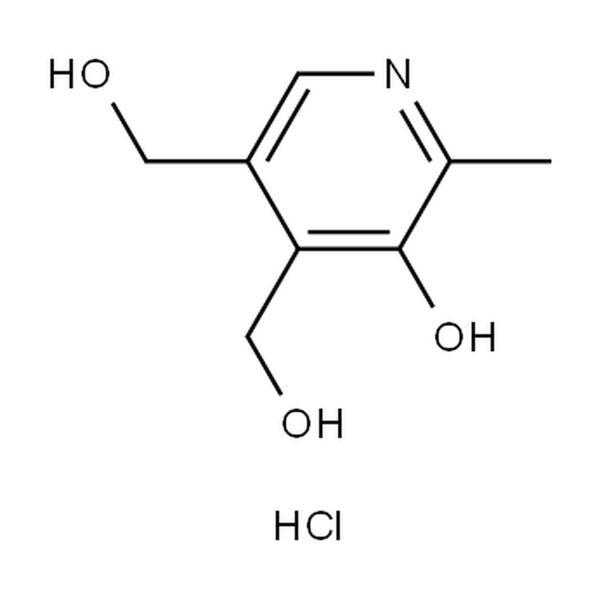
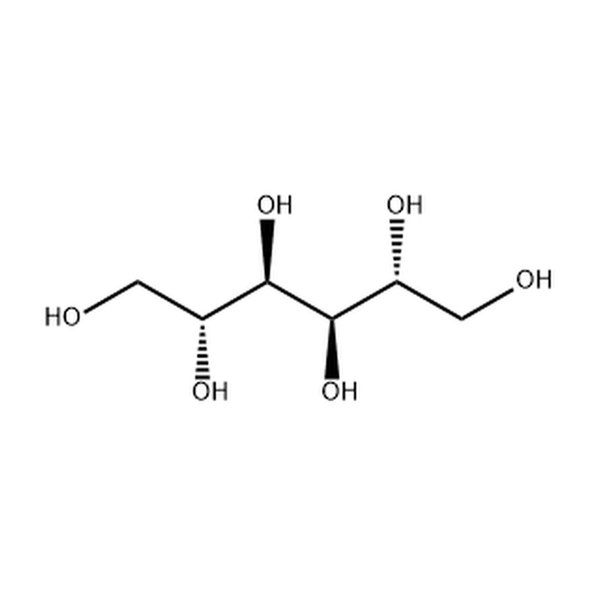
Vitamin B6 (Pyridoxine HCl) · Taurine · Inositol · Mannitol · Dextrose Anhydrous · Vitamin C (Ascorbic Acid) · Folic Acid (Vitamin B9) · Vitamin B12 (Cyanocobalamin). Bulk grades come with COA and specification sheet, and we can match particle size or packing to your line on request.

Related News
Leave me a message
X
We use cookies to offer you a better browsing experience, analyze site traffic and personalize content. By using this site, you agree to our use of cookies. Privacy Policy
RejectAccept