News

Beverage Preservation: Pairing Acidulants with Benzoate and Sorbate

2026-11-16 0 Leave me a message

Preservation is the cheapest part of a beverage formula and the most expensive part to get wrong. A preserve system either sits inside its effective pH window or it does nothing at all, and no amount of extra dosage fixes a product held at pH 5.

The pH window decides the dose

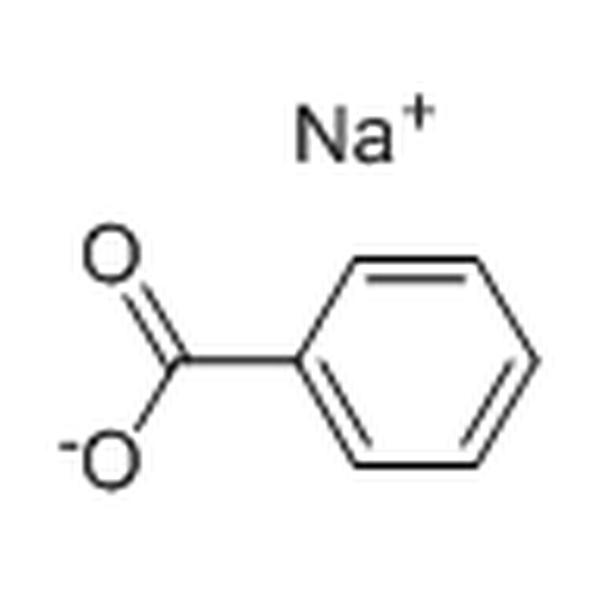
Benzoic acid has a pKa near 4.2. Above roughly pH 4.5 an increasing share is present as the inactive benzoate ion, and the same addition level loses most of its antimicrobial effect. Sodium benzoate is therefore a low-pH preservative: it belongs in carbonated soft drinks, energy drinks, syrups and pickles, not in a neutral protein beverage.

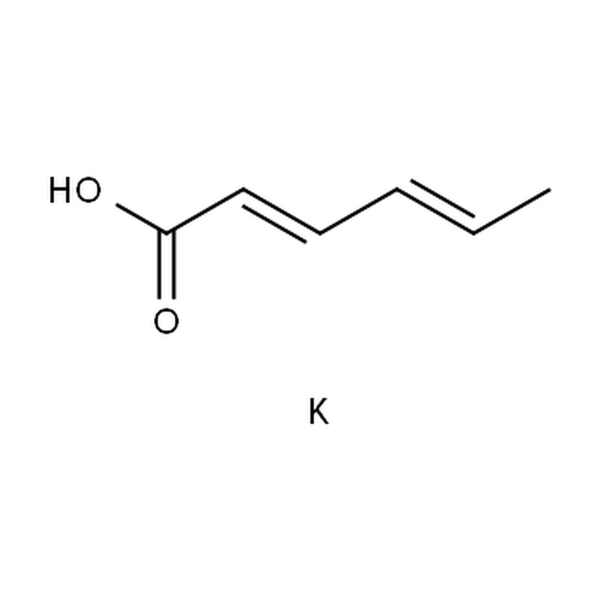
Sorbic acid sits at pKa 4.76 and Potassium sorbate works over a slightly wider band, mainly against yeast and mould, with weaker activity on bacteria. The two are routinely combined because the spectra overlap usefully: 0.02% benzoate with 0.015–0.02% sorbate covers more than either at double the dose.

The benzene problem

Benzoate plus ascorbic acid can generate trace benzene, and the reaction is promoted by light, heat and transition-metal ions. Products that carry both a benzoate preserve system and a vitamin C claim are the ones at risk. The practical controls are to keep Vitamin C (Ascorbic Acid) low in those SKUs, switch to Sodium erythorbate where an antioxidant is needed without the same pathway, specify the iron and copper content of the process water, and avoid clear packaging in a warm market.

Acidulant choice is part of the preservation decision

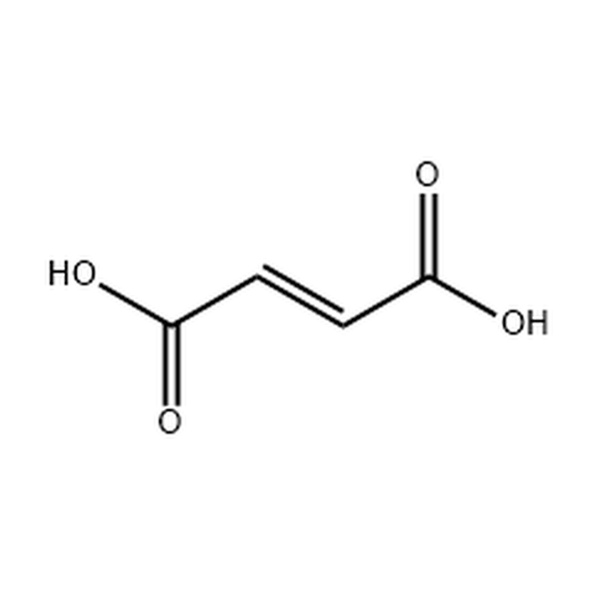
The acidulant sets the pH and also changes how the product behaves through processing. Fumaric acid delivers more titratable acidity per gram than citric and holds it through pasteurisation, which keeps a hot-filled drink inside the effective window for longer. Citric gives a sharper onset and chelates metals; malic reads rounder; phosphoric gives the dry cola profile. Choose the acid first, then adjust the sweetener blend against it — the reverse order produces a drink that tastes fine at pilot and acid-sharp at scale.

Stability, colour and suspension

Where a colour needs protecting, Sodium Copper Chlorophyllin is water-soluble and heat-stable in the pH range where most clear beverages sit, but it is sensitive to light and to low pH over long storage. Xanthan Gum at 0.01–0.03% holds a suspension without thickening the mouthfeel; above that, the texture is the first thing consumers notice. Menthol Crystal is used at very low levels in functional waters and needs a solvent or emulsifier system, otherwise it oils out on the surface.

What to write into the purchase specification

IngredientLines that matter
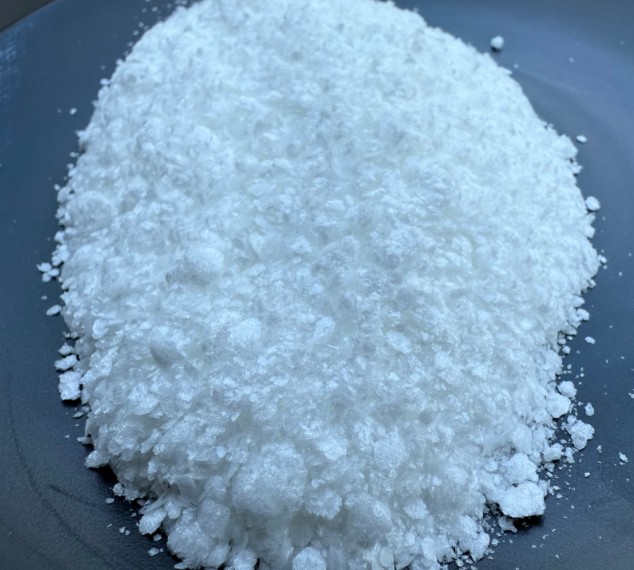
Sodium benzoateAssay 99.0–100.5%; granular vs powder; chloride; heavy metals
Potassium sorbateAssay 98.0–101.0%; aldehyde; LOD; mesh
Fumaric acidAssay ≥99.5%; maleic acid; mesh; LOD
Sodium erythorbateAssay ≥99%; heavy metals; clarity in solution

Sourcing note

Preservatives and acidulants ship in 25 kg bags or drums with batch COA. For a new SKU, the useful trial is a preserve challenge test run at your target pH rather than a bench solubility check, and we can supply the acidulant and preservative pair from one lot family so the test reflects what production will actually receive.

Running a trial that predicts the line

A preservative system is validated by a challenge test, not by a solubility check. Inoculate the finished beverage at your target pH with a defined mix of yeast, mould and acid-tolerant bacteria, hold at 30 °C, and count at day 0, 7, 14 and 28. A system that passes at 0.02% benzoate in a carbonated drink can fail the same test in a still, higher-pH variant of the same formula.

Run the test in the packaging you intend to sell. Clear PET under retail lighting is a different environment from a canned product, particularly where ascorbic acid and benzoate share the formula.

Related products

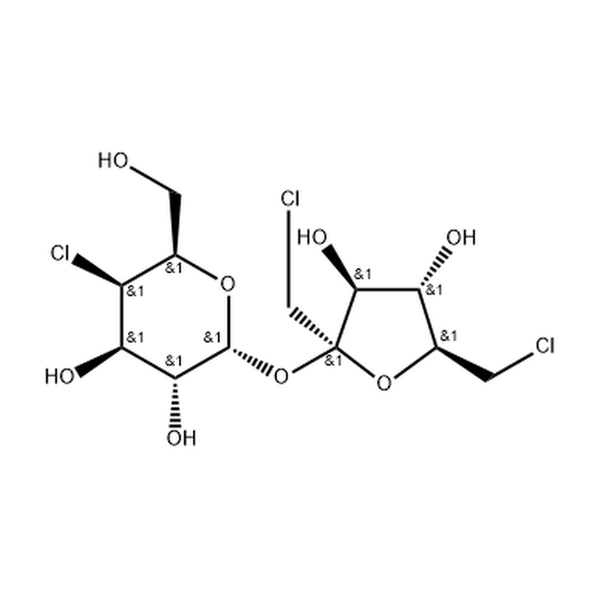
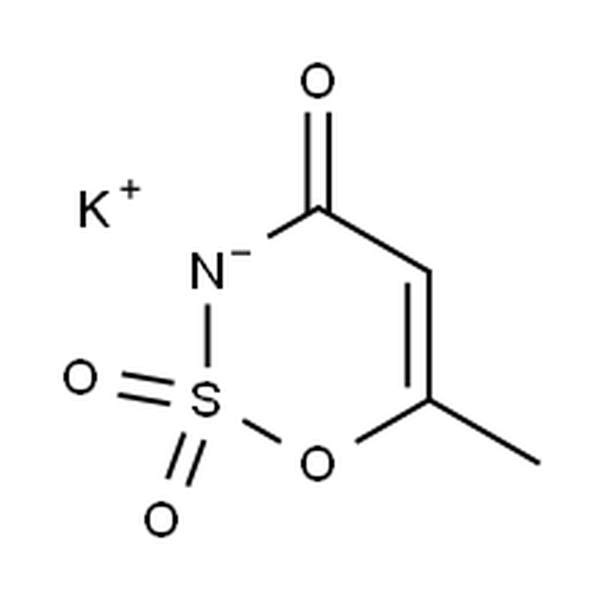
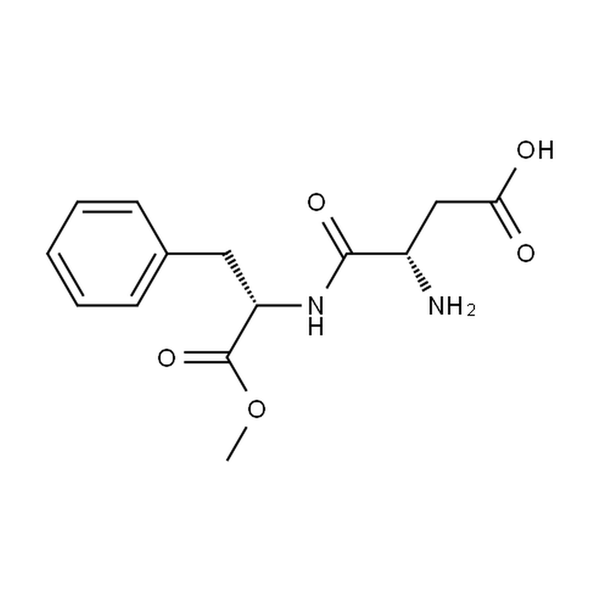
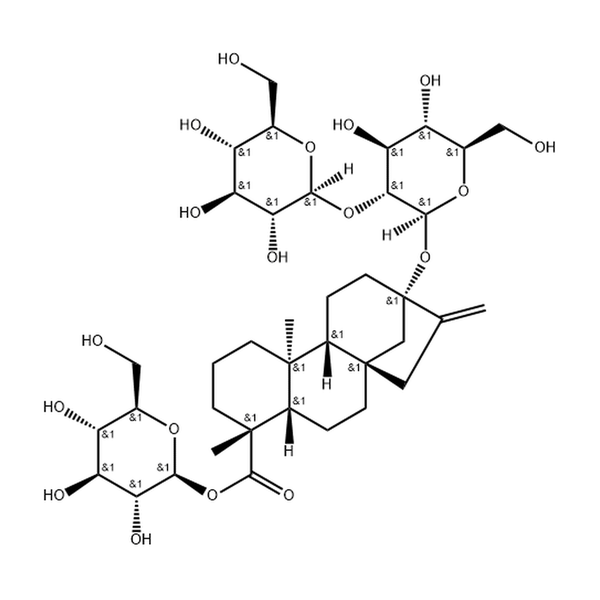
Sodium benzoate · Xanthan Gum · Sucralose · Acesulfame Potassium · Aspartame · Stevioside · Fumaric acid · Potassium sorbate. All are bulk-supplied with COA and specification sheet; samples are available so the grade can be checked against your process before the first order.

Related News
Leave me a message
X
We use cookies to offer you a better browsing experience, analyze site traffic and personalize content. By using this site, you agree to our use of cookies. Privacy Policy
RejectAccept