Products
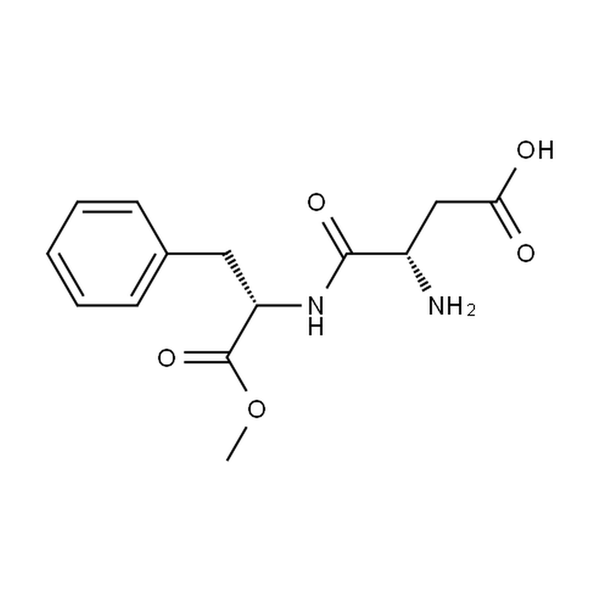
Aspartame (CAS: 22839-47-0)

Aspartame CAS 22839-47-0 Bulk Supplier

Model:ASP-99
Aspartame is a dipeptide of aspartic acid and phenylalanine methyl ester, about 200 times as sweet as sucrose with a clean, sucrose-like onset. It is also the least heat-stable high-intensity sweetener in common use: above about 30 °C in aqueous solution it hydrolyses and cyclises to.
  • ASP-99:

    Product Name: Aspartame CAS No.: 22839-47-0 Molecular Formula: C14H18N2O5 Molecular Weight: 294.3 g/mol Appearance: White powder or tablets Product Form: Powder Assay: 98.0-102.0% Melting Point: 242.0 °C - 248.0 °C Solubility: Sparingly soluble or slightly soluble in water and in ethanol (96 per cent), practically insoluble in hexane and in methylene chloride; Soluble in formic acid, dimethyl sulfoxide. Sparingly soluble in water and ethanol Grade Standard: FCC / USP / EP monograph HS Code: 38220090 Storage: Store below 25 °C in a dry place; the powder is stable for years, but aqueous solutions should be kept below 30 °C and used within a defined hold time. Packaging: 25 kg net (fibre drum with double PE liner) or as required Documentation: COA, TDS, MSDS and regulatory support available on request

Aspartame

Product Overview

Aspartame is a dipeptide of aspartic acid and phenylalanine methyl ester, about 200 times as sweet as sucrose with a clean, sucrose-like onset. It is also the least heat-stable high-intensity sweetener in common use: above about 30 °C in aqueous solution it hydrolyses and cyclises to diketopiperazine.

Specification

Product NameAspartame
CAS No.22839-47-0
Molecular FormulaC14H18N2O5
Molecular Weight294.3 g/mol
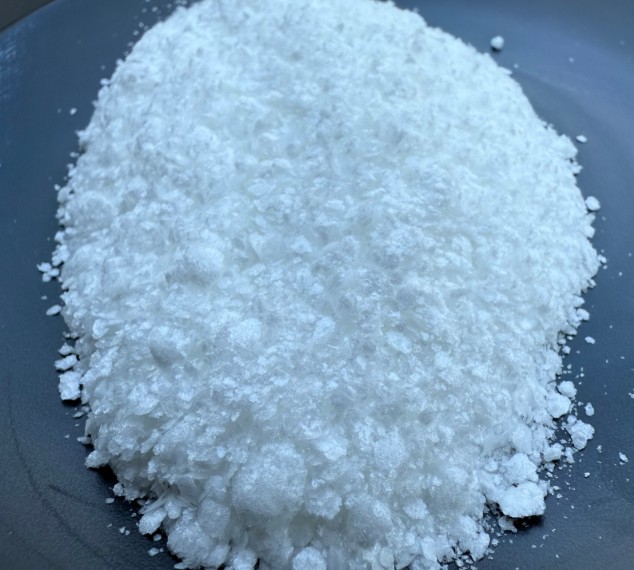
AppearanceWhite powder or tablets
Product FormPowder
Assay98.0-102.0%
Melting Point242.0 °C - 248.0 °C
SolubilitySparingly soluble or slightly soluble in water and in ethanol (96 per cent), practically insoluble in hexane and in methylene chloride; Soluble in formic acid, dimethyl sulfoxide. Sparingly soluble in water and ethanol
Grade StandardFCC / USP / EP monograph
HS Code38220090
StorageStore below 25 °C in a dry place; the powder is stable for years, but aqueous solutions should be kept below 30 °C and used within a defined hold time.
Packaging25 kg net (fibre drum with double PE liner) or as required
DocumentationCOA, TDS, MSDS and regulatory support available on request

Key Technical Advantages

  • Clean sweetness, no bitter tail: The reason aspartame remains the benchmark in cola-type beverages: its profile is closer to sucrose than ace-K or stevia at equivalent sweetness.
  • Heat and pH limits are real: Degradation accelerates above pH 5 and above 30 °C storage, so it suits cold-fill and chilled distribution but not retort or bakery.
  • Diketopiperazine control: The cyclisation product is the standard degradation marker and is specified on the COA alongside assay.
  • Phenylalanine declaration: Roughly 50% phenylalanine by weight, which is why every market requires a PKU warning on the label.

Application Notes

  • Carbonated soft drinks: The classic diet cola sweetener, typically 100-200 mg/L, sometimes blended with ace-K.
  • Table-top sweeteners: Sachets and tablets, often with a bulking agent to match sugar volume.
  • Chewing gum and dairy: Cold-process applications where the heat liability does not apply.
  • Powdered drink mixes: Dry blends where the ingredient stays stable until the consumer adds water.

Formulation & Handling Notes

Aspartame is not suitable for baked goods, retort beverages or long ambient storage in neutral-pH systems. If the customer needs a bake-stable sweetener, that is sucralose or ace-K, not aspartame.

Market Supply & Sourcing

Aspartame is made from L-aspartic acid and L-phenylalanine, both fermentation products, so its cost tracks those two amino acids. Chinese and Indonesian producers supply most of the global diet-beverage trade, and demand has been flat as sucralose and stevia take share.

Frequently Asked Questions

What grade of Aspartame do you supply?

Material is released to FCC / USP / EP monograph, with the assay and product-specific parameters stated on every COA, including clean sweetness, no bitter tail.

Can Aspartame be used in carbonated soft drinks?

The classic diet cola sweetener, typically 100-200 mg/L, sometimes blended with ace-K.

How should Aspartame be stored?

Store below 25 °C in a dry place; the powder is stable for years, but aqueous solutions should be kept below 30 °C and used within a defined hold time.

Supply, Documentation & Packaging

Bulk supply from 25 kg in fibre drums with double PE liner, palletised for sea or air freight from Shanghai / Ningbo / Qingdao. Lead time 7-15 working days after PO. COA, TDS and MSDS are issued per batch; GMP, ISO 9001, ISO 14001, CEP/DMF support documentation and regulatory support are available on request. Supplied strictly as a raw material for further processing, not as a finished dosage form.

Frequently sourced alongside this product

Acesulfame Potassium (CAS 55589-62-3) · Dextrose Anhydrous (CAS 50-99-7) · Fructose (CAS 57-48-7) · Mannitol (CAS 69-65-8) · Stevioside (CAS 57817-89-7) · Sodium benzoate (CAS 532-32-1). Specification sheets, COA and samples for any of these grades can be requested on the same inquiry.

Application guide: Energy drink formulation

Send Inquiry
Contact Info

address

EU Warehouse
NA Warehouse

whatsapp

Please click the WhatsApp link.

Email

Please click the WhatsApp link.

Telegram

Please click the WhatsApp link.

X
We use cookies to offer you a better browsing experience, analyze site traffic and personalize content. By using this site, you agree to our use of cookies. Privacy Policy
RejectAccept