Applications

Sugar Reduction Systems: Why Single Sweeteners Fail and Blends Hold

Almost every sugar-reduction project starts the same way: replace 8% sucrose with a single high-intensity sweetener at its sucrose-equivalent dose, taste it, and discover it is wrong. Too sweet up front, a metallic tail, no body, and a mouthfeel that reads as "diet". The fix is rarely a better single sweetener — it is a blend with the right bulk carrier behind it.

High-intensity sweeteners: what breaks first

Each high-intensity sweetener has a different failure mode, and the failure mode decides where you can use it.

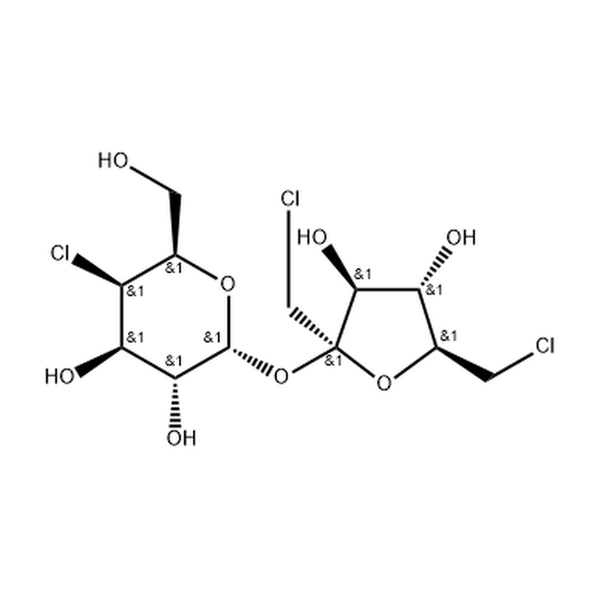
  • Sucralose — roughly 600 times sucrose, the cleanest profile of the group. Stable across the normal beverage pH range, but hydrolysis is slow and cumulative: a low-pH drink held at 30 °C for twelve months will lose measurable sweetness. Ask for assay by HPLC and related substances, not just a "99%" claim.
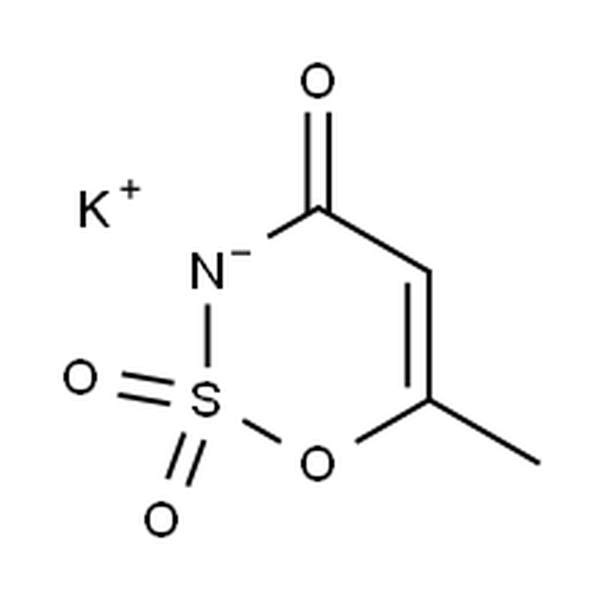
  • Acesulfame Potassium — about 200 times sucrose, cheap, and almost always used in a blend because alone it reads bitter and metallic at higher doses. At pH below about 3, prolonged storage degrades it, which is why acidified still drinks usually pair it 1:1 with sucralose rather than pushing the ace-K dose.
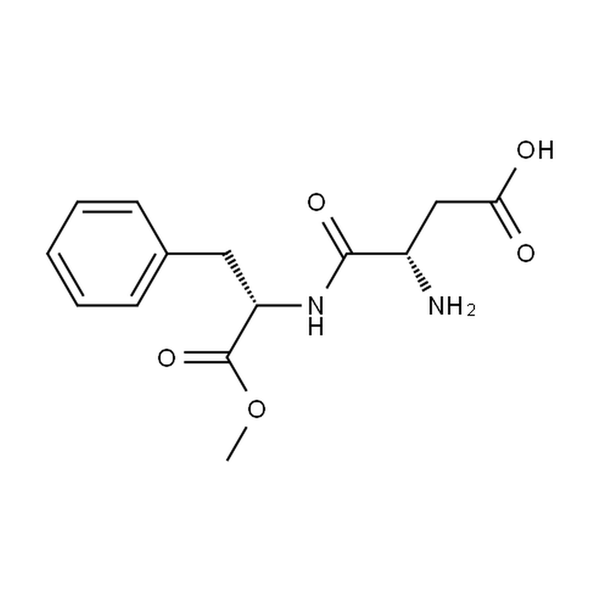
  • Aspartame — 200 times sucrose, clean and cheap, but not heat stable. It has no place in a retort, a bake or a hot-fill line. It also carries a phenylalanine declaration requirement in most markets.
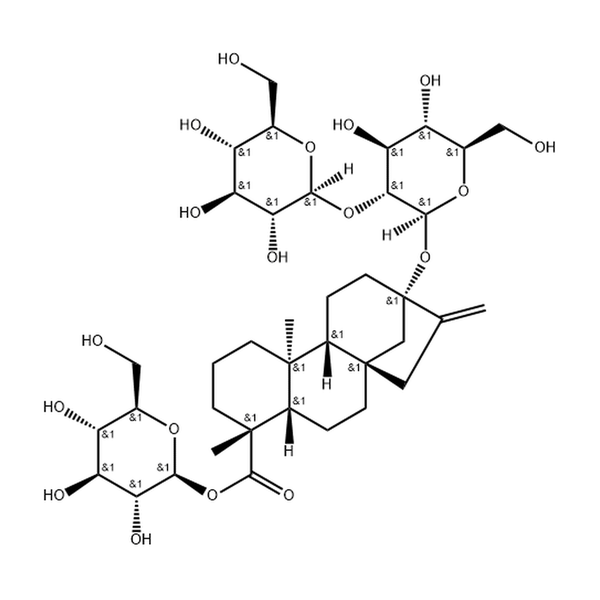
  • Stevioside — steviol glycosides at 200–300 times sucrose. The specification question is which glycosides: total glycosides, Reb A content, or a Reb M–enriched grade. Two powders both sold as "stevia extract" can differ by a factor in aftertaste, because the licorice note tracks the non-Reb-A fraction.

Bulk sweeteners: the part people forget

Body and mouthfeel come from the bulk phase, not the high-intensity part. Replacing 8% sucrose means replacing 8% of solids with something.

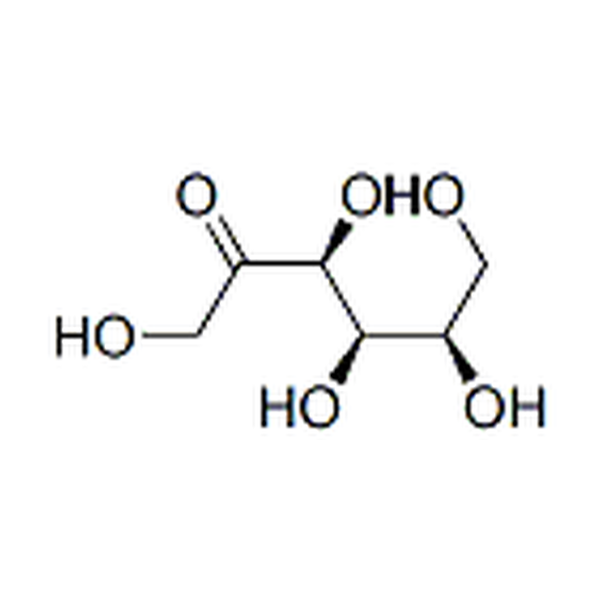
  • Fructose — about 1.2–1.8 times sucrose on sweetness, hygroscopic, and it browns faster than sucrose in Maillard systems. In dry blends it picks up moisture and cakes; in beverages it can push osmolality and sweetness perception in ways a sucrose panel does not predict.
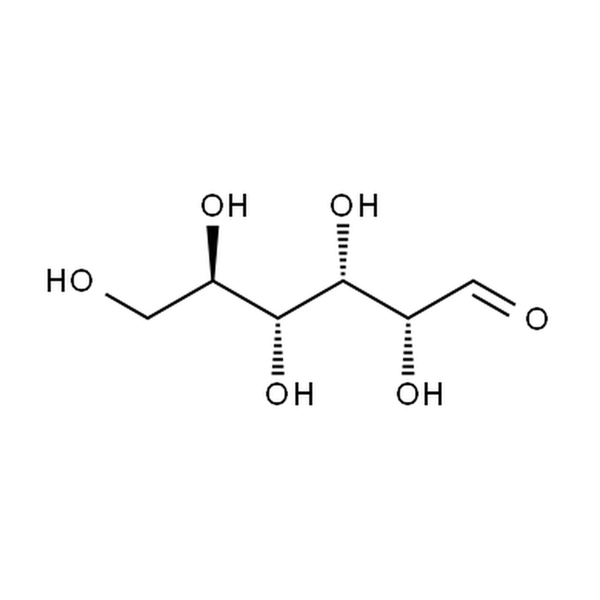
  • Dextrose Anhydrous — about 0.7 times sucrose, the workhorse for tablet and dry-mix bulking. Choose monohydrate for general use and anhydrous when the formula is moisture-sensitive, because the monohydrate releases its water of crystallisation during processing.
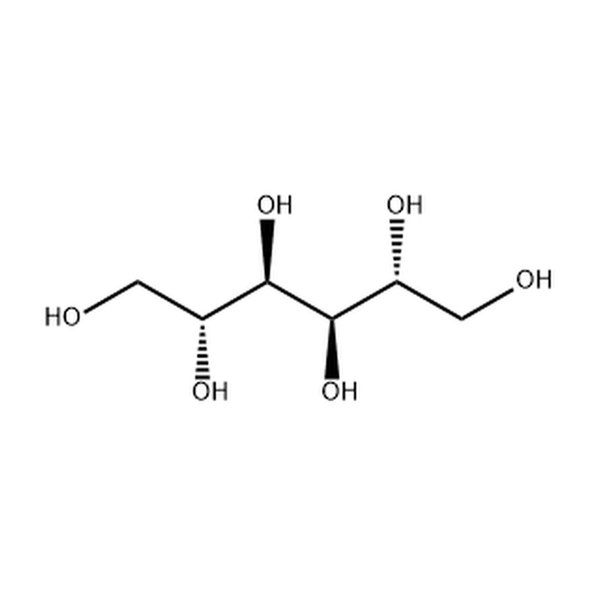
  • Mannitol — roughly half the sweetness of sucrose, non-hygroscopic, with a cooling effect that suits chewables and sugar-free coatings. Crystal form matters for tableting: the beta form compresses differently from the delta form, and swapping them changes hardness and capping behaviour.

COA lines that actually decide a lot

  • Assay by HPLC (plus related substances), not a titration figure alone.
  • Specific rotation for the carbohydrate-based products — the cheapest way to catch adulteration.
  • Loss on drying and water content: a sweetener shipped at the top of its moisture spec will cake in a humid warehouse.
  • Heavy metals, arsenic and lead; microbiology for the bulk sugars.
  • Particle size distribution and bulk density, if the material goes into a tablet or a sachet line.

Judging a blend without a trained panel

Most buyers taste a prototype once and decide. That is not a test, it is an opinion. A workable internal protocol: prepare the sample at serving temperature, hold it at 4 °C and at 30 °C, and taste at day 0, week 2 and week 8. Score sweetness onset, peak, tail and aftertaste separately on a 1–5 scale, and always include the full-sugar reference blind. The three failures that show up most often are a fast onset with no tail (too much high-intensity, too little bulk), a delayed bitter finish (ace-K or steviol glycosides pushed too high), and a thin body that reads as "watery" even though the sweetness level matches.

What we need to quote a blend

Tell us the target sugar reduction percentage, the process (hot fill, cold fill, retort, tableting), the pH window, the market's labelling rules, and the bulk carrier you can tolerate. With those five we can propose a ratio instead of guessing. Products behind this page: Sucralose, Acesulfame Potassium, Aspartame, Stevioside, Fructose, Dextrose Anhydrous, Mannitol. Wider context: applications index.

X
We use cookies to offer you a better browsing experience, analyze site traffic and personalize content. By using this site, you agree to our use of cookies. Privacy Policy
RejectAccept