News

Reading a Vitamin COA: Assay Basis, Loss on Drying and the Lines Buyers Skip

2026-11-13 0 Leave me a message

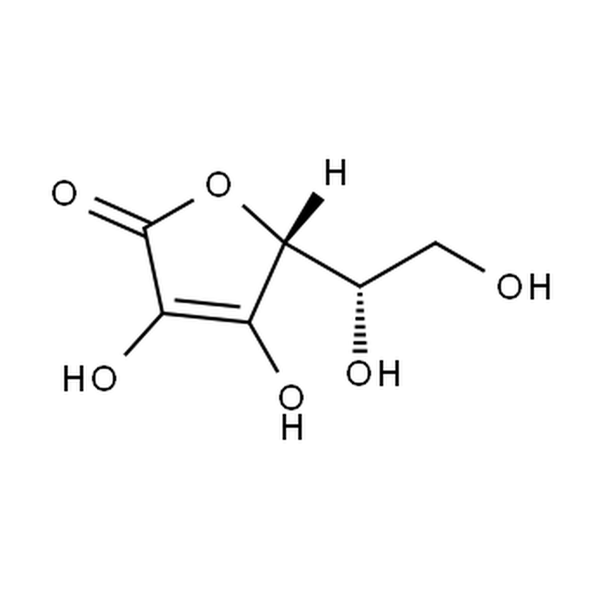
Two suppliers quote 98% ascorbic acid. One arrives at 98.2% and the other at 96.4%. Both certificates say 98%. The difference is almost always the basis on which the assay is expressed, and it is the single most common reason a first shipment fails incoming inspection.

Assay on the dried basis is not assay as received

Pharmacopoeial monographs express assay “on the dried basis” or “on the anhydrous basis”, which means the result is corrected for moisture measured in the same test. A lot at 98.5% on the dried basis with 2% water delivers about 96.5% as received. Neither number is wrong; they answer different questions. When you compare quotes, convert everything to the as-received basis, or write the basis into the purchase specification so the argument never happens after the container lands.

Loss on drying versus water content

Loss on drying (LOD) is a gravimetric test and it captures volatile material, not only water. For ascorbic acid the same test also picks up decomposition, which is why an aged lot can show a rising LOD with an unchanged water content. Karl Fischer measures water specifically and is the better tool when the two disagree. Either way, a specification without a moisture limit is incomplete, because moisture drives both potency loss and caking in every vitamin powder we handle.

Related substances: the line that predicts shelf life

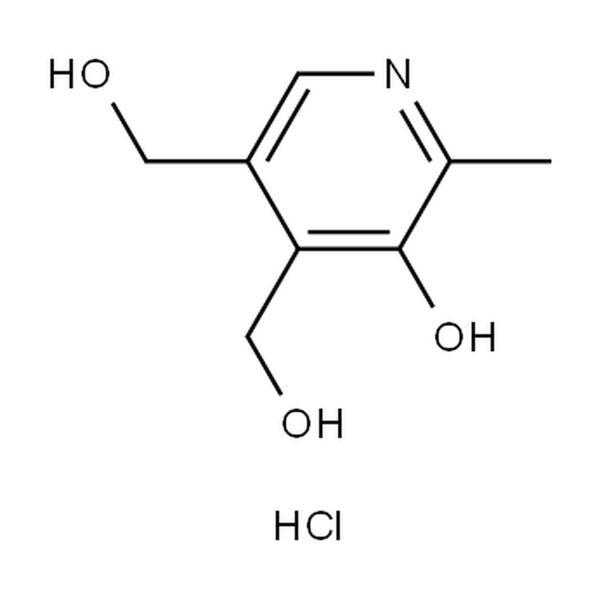
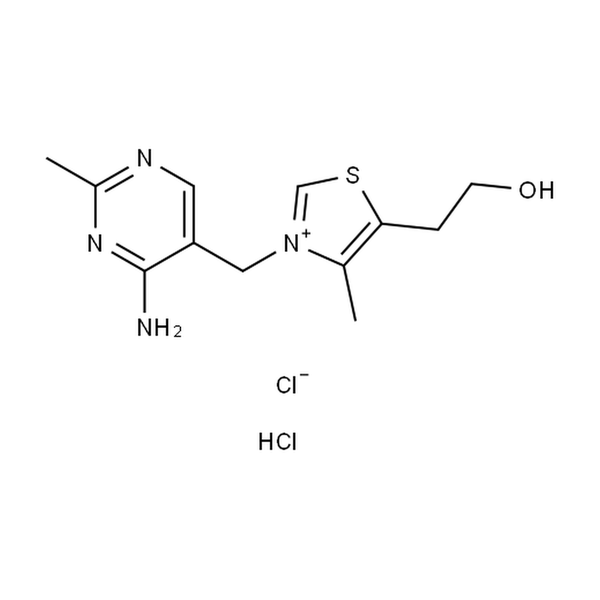
For B vitamins the related-substances test is the useful early indicator. In thiamine hydrochloride the degradant is the thiazole ring opening; in pyridoxine hydrochloride it is the formation of pyridoxal and pyridoxic acid under light and heat. A lot sitting at the upper limit of the related-substances specification has already used part of its shelf life before it leaves the factory, whatever the retest date says.

Colour and appearance carry information

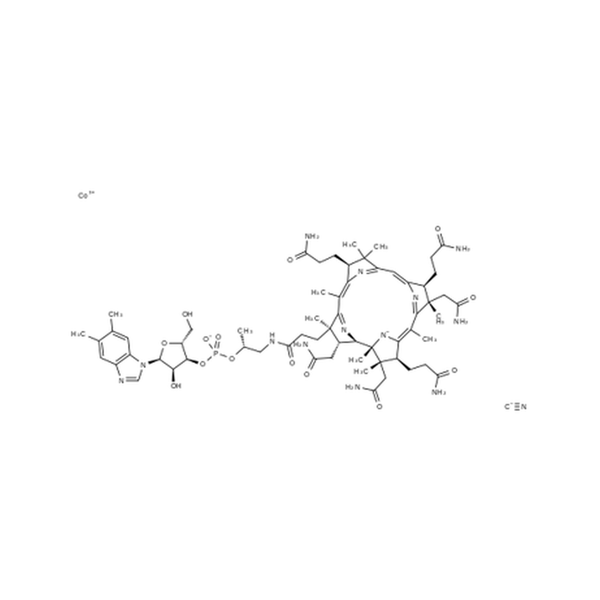
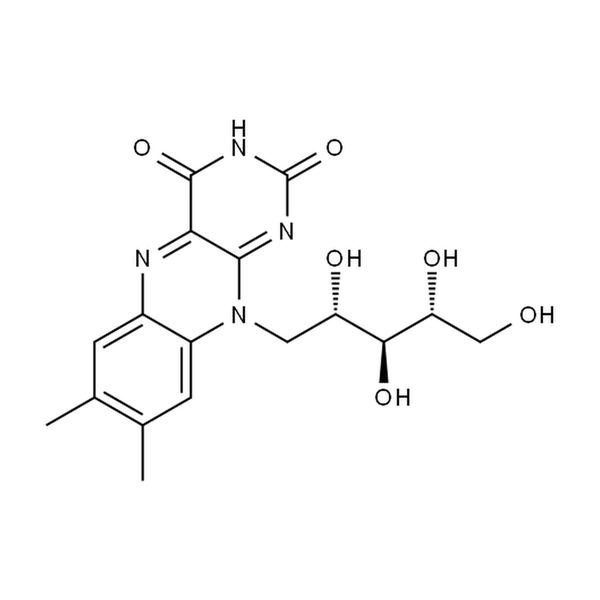
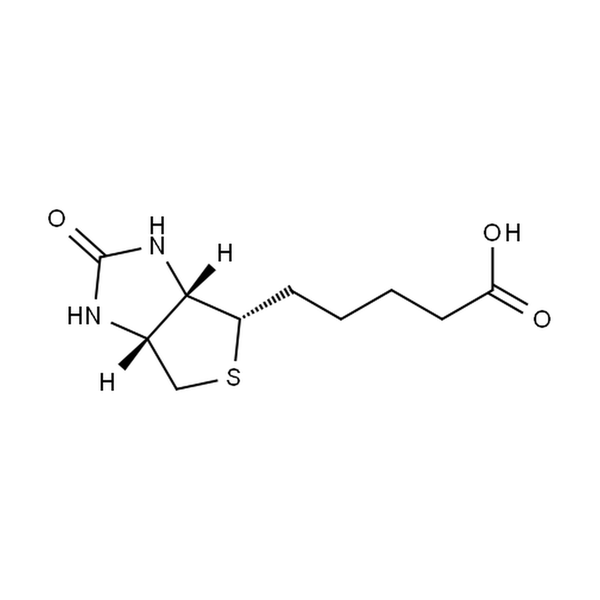
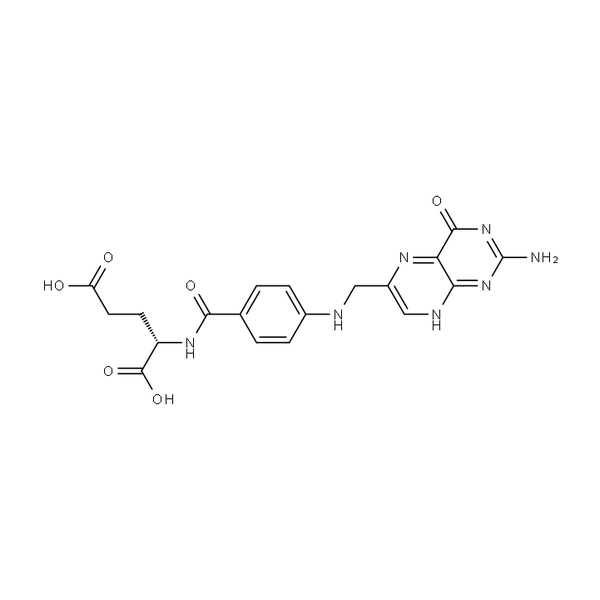
Riboflavin should be an even yellow-orange; a dull or brownish cast suggests light exposure. Cyanocobalamin is deep red and fades towards brown as it degrades. Biotin and folic acid should be white to off-white — a yellow tint in folic acid is a documented photodegradation signal. These are screening observations, not release tests, but they tell you whether the drum was stored properly before shipment.

Premix-specific checks

If the vitamin goes into a premix rather than a single-ingredient product, three additional parameters matter:

  • Particle size distribution — a fine vitamin in a coarse carrier segregates in the bag.
  • Flowability and bulk density — both affect dosing accuracy at low inclusion rates.
  • Overage agreement — state the analytical method, because HPLC and microbiological assays for the same B vitamin can differ by several percent.

A practical release checklist

Line on the COAWhy it decides release
Assay, with basis statedWithout the basis the number cannot be compared to another supplier
Loss on drying or waterDrives potency drift and caking during storage
Related substancesShows how much shelf life is already consumed
Heavy metals, arsenicRegulatory limit; fails whole lots, not batches of sachets
Total plate count, yeast and mouldRelevant for any product not going through a kill step
Residual solventsOnly where the route uses them, but then it is a hard limit

Sourcing note

Certificates for our niacin and the rest of the B range state the assay basis explicitly and report LOD and related substances on the same page, so the comparison against an incumbent supplier takes one line of arithmetic rather than an email exchange. Method statements are available on request, and a retained sample from each lot is kept for twelve months.

Related products

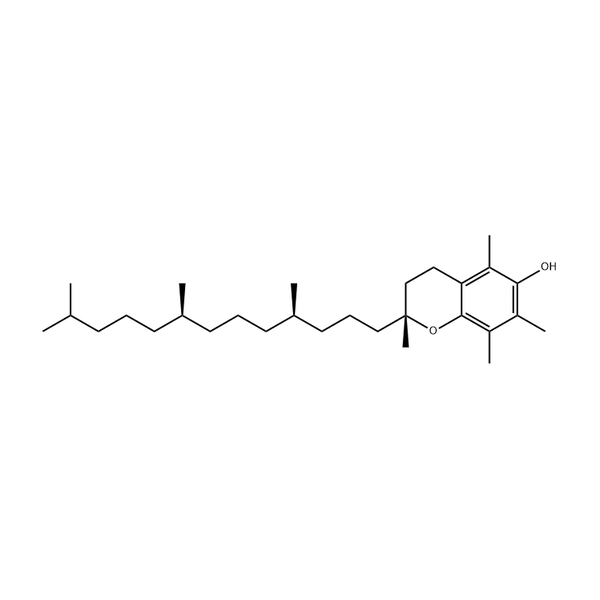
Vitamin C (Ascorbic Acid) · Vitamin B6 (Pyridoxine HCl) · Vitamin B1 (Thiamine HCl) · Vitamin B12 (Cyanocobalamin) · Vitamin B2 (Riboflavin) · Vitamin H (Biotin) · Folic Acid (Vitamin B9) · Vitamin E (D-alpha-Tocopherol). All are bulk-supplied with COA and specification sheet; samples are available so the grade can be checked against your process before the first order.

Related News
Leave me a message
X
We use cookies to offer you a better browsing experience, analyze site traffic and personalize content. By using this site, you agree to our use of cookies. Privacy Policy
RejectAccept