News

Low-Sugar Beverage Formulation: Matching Sweeteners with Acidulants and Preservatives

2026-11-13 0 Leave me a message

Reducing sugar in a beverage is not a matter of swapping one ingredient. Removing sucrose takes away sweetness, body, mouthfeel and part of the preservative system at the same time, and each of those has to be rebuilt deliberately. The ingredients interact, which is why a sweetener that performs well in water can taste thin and metallic in the finished drink.

Sweetness is a curve, not a number

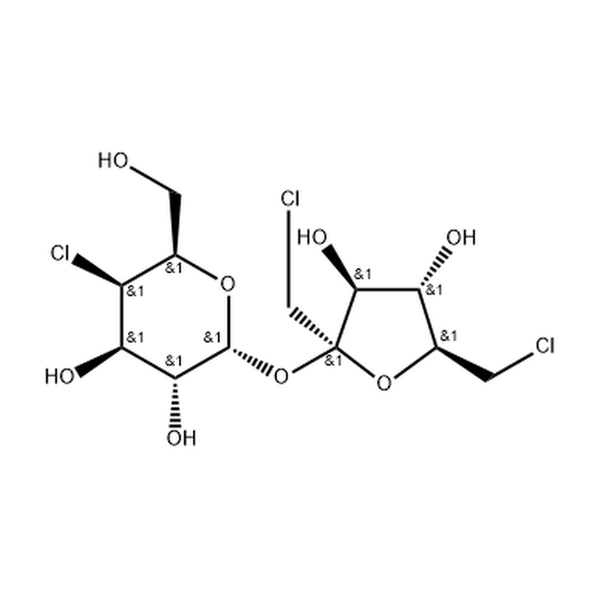
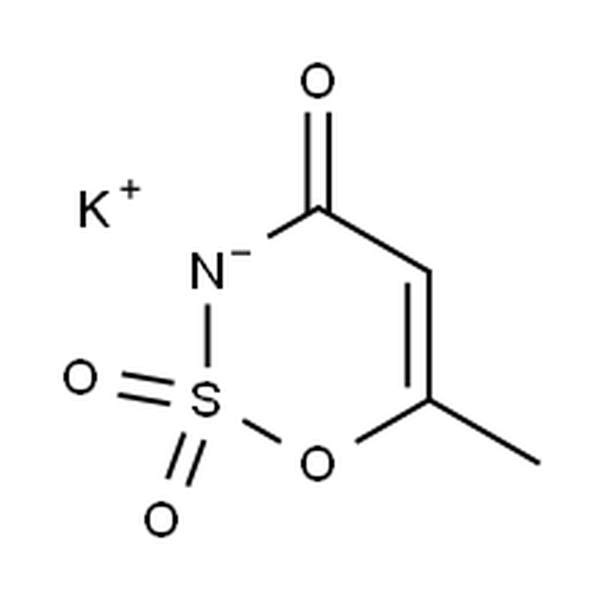
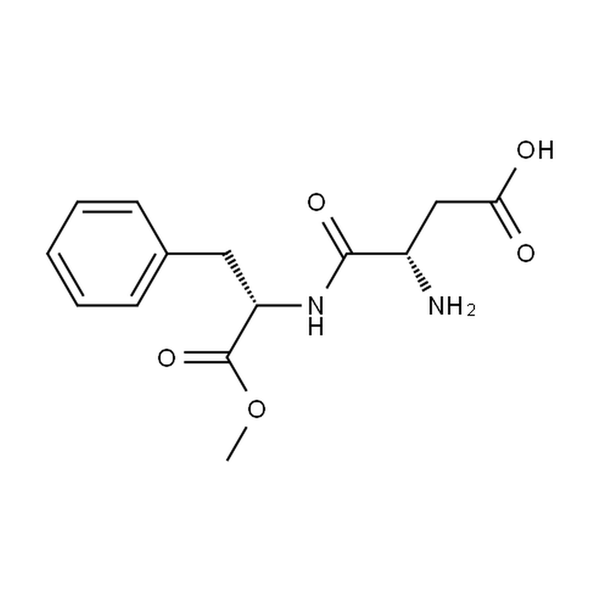
High-intensity sweeteners are quoted against sucrose, but the ratio changes with concentration and with the matrix. Sucralose is roughly 600 times sweeter than sucrose in water; acesulfame potassium about 200 times, with a faster onset and a slight bitter tail; aspartame about 200 times but with a clean, sucrose-like profile that fades sooner. Blends work because the shortcomings do not overlap: sucralose contributes length, acesulfame potassium contributes front-end impact, and the combination usually lands closer to sucrose than either alone at the same total sweetness.

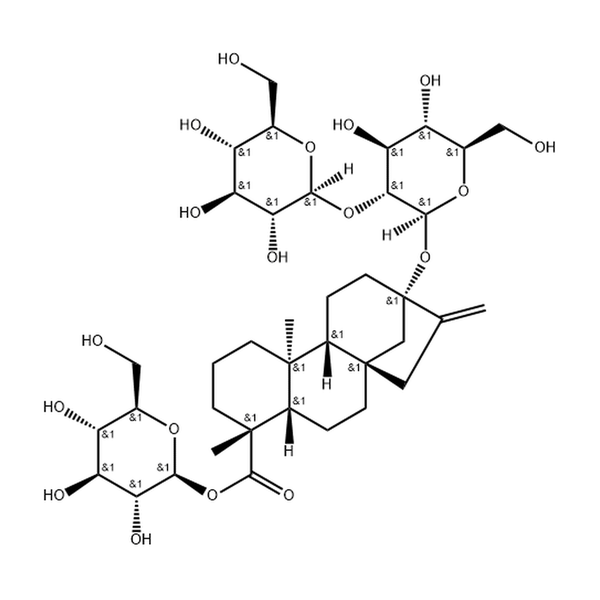
Steviol glycosides sit in a different category. Rebaudioside A has a slower onset and a documented liquorice note at higher use levels; it works best in dairy and tea systems where a lingering sweetness reads as body rather than as an aftertaste.

The acidulant sets the whole system

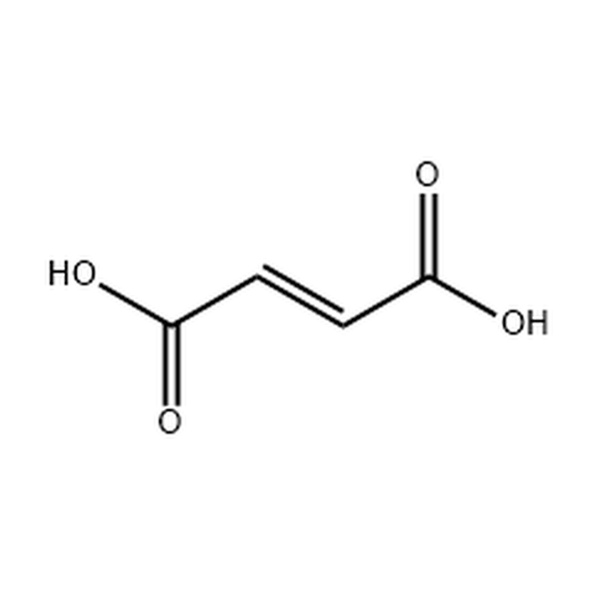
Acidulants do two jobs: they define flavour and they set the pH that everything else depends on. Fumaric acid delivers more titratable acidity per gram than citric acid and holds it longer through heat treatment, which makes it attractive in a low-pH system where the acid must survive pasteurisation. Citric gives a sharp, fast onset; malic a rounder, longer profile; phosphoric a dry cola-type acidity. Choose the acid first, then adjust the sweetener blend against it — not the other way round.

Preservatives depend entirely on pH

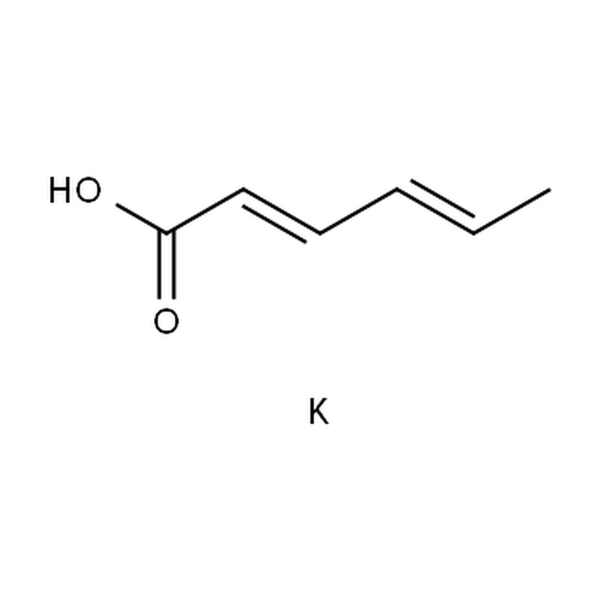
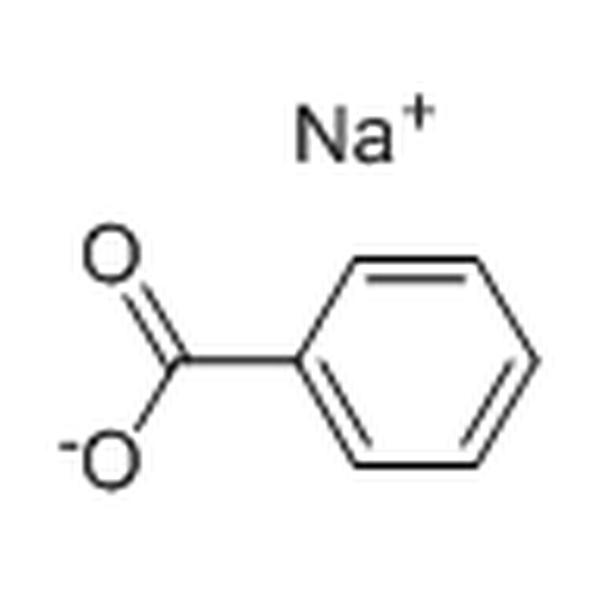
This is where most reformulations fail. Sodium benzoate is only effective in the undissociated form, which means the finished drink has to sit below roughly pH 4.5, and comfortably below 4.0 to be robust. Potassium sorbate works over a wider range and is usually paired with benzoate for spectrum. A low-sugar drink built at pH 4.8 for taste reasons cannot be preserved with benzoate no matter how much is added, and the failure shows up as yeast growth in market rather than in the pilot plant.

Body and stability come from hydrocolloids

Without sucrose the drink reads as watery. A small dose of xanthan gum at 0.02–0.05% restores some mouthfeel without sliminess, and it also keeps pulp, minerals and any suspended colour evenly distributed. Xanthan is tolerant of acid and heat, which is why it is the default in this application; the trade-off is a slight pseudoplasticity that some tasters notice at the top of that range.

Sequencing a formulation trial

  • Fix the acidulant and target pH first, then confirm the preservative can work at that pH.
  • Build total sweetness with a two-component blend before adding a third.
  • Add the hydrocolloid last; it changes perceived sweetness slightly.
  • Taste at 4 °C and at room temperature — the sweetener profile shifts with temperature.
  • Run a two-week accelerated stability check before scaling, because aspartame and some glycosides drift.

Sourcing note

All of the above are supplied as bulk powders with COA and specification sheets, and the sweetener range is milled to a consistent particle size so that a blend behaves the same from lot to lot. Where a customer is building a premix, we can ship the sweetener components together so the segregation question is answered before the blend reaches the filling line.

Related products

Acesulfame Potassium · Aspartame · Stevioside · Fumaric acid · Potassium sorbate · Sodium benzoate · Xanthan Gum · Sucralose. Bulk grades come with COA and specification sheet, and we can match particle size or packing to your line on request.

Related News
Leave me a message
X
We use cookies to offer you a better browsing experience, analyze site traffic and personalize content. By using this site, you agree to our use of cookies. Privacy Policy
RejectAccept