News

Nutraceutical Raw Materials: Five Shifts to Price Into 2027 Contracts

2026-11-27 0 Leave me a message

Every year at this point the industry runs the same exercise: forecast next year's vitamin prices. It is a reasonable question and, for most buyers, the wrong one. Over the past twelve months the differences that actually decided whether a nutraceutical raw-material contract was profitable had very little to do with the direction of the price and a great deal to do with what the price was being quoted for.

Five structural shifts are visible as 2026 closes. None of them is dramatic on its own. Together they change the shape of the specification a buyer should be putting in front of a supplier before the first 2027 order is placed.

1. Vitamin capacity has concentrated, and the grade question came with it

The B-complex and vitamin segment has spent several years consolidating into fewer, larger production bases, largely in China. Concentration is not new. What is new is that the surviving plants increasingly run several grades down the same line, and the grade is now the commercial variable rather than the molecule.

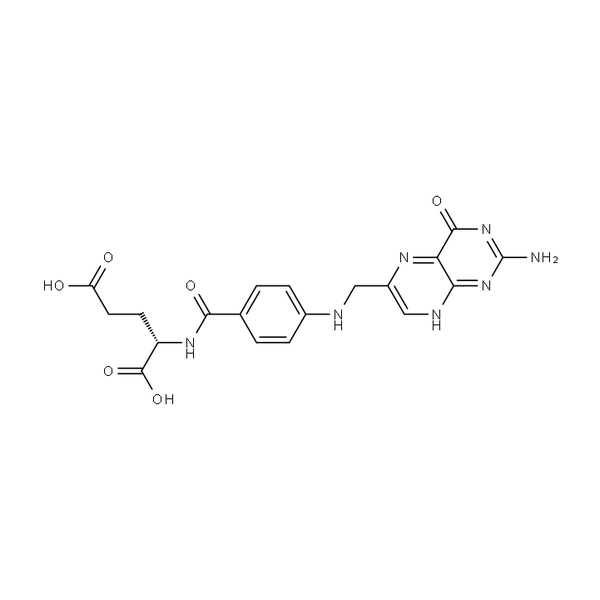
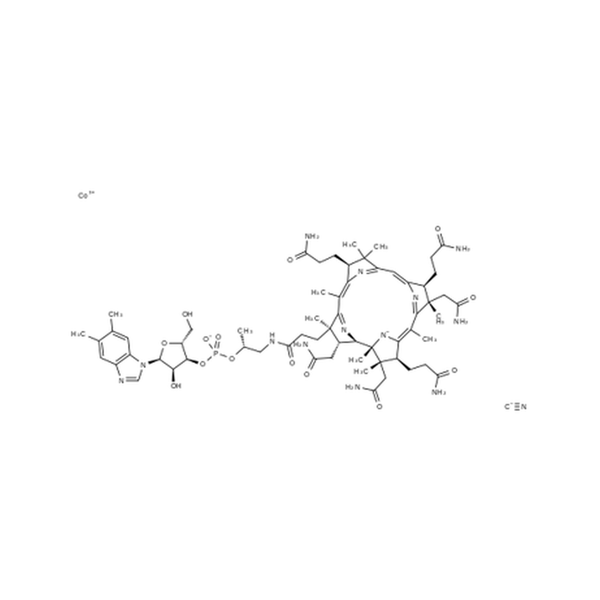
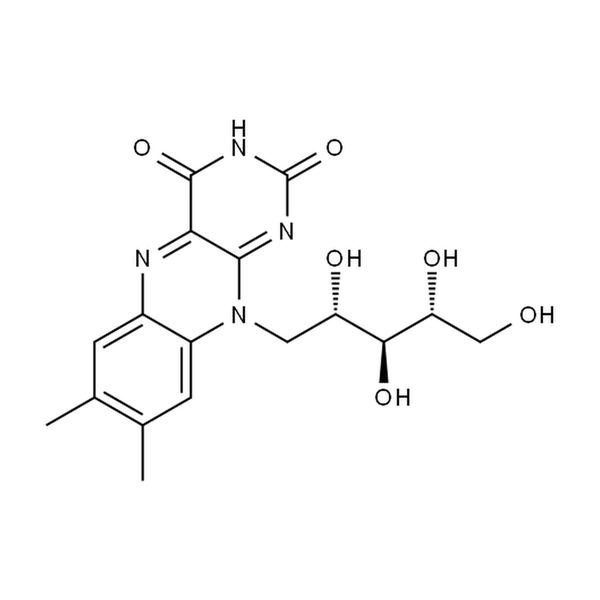
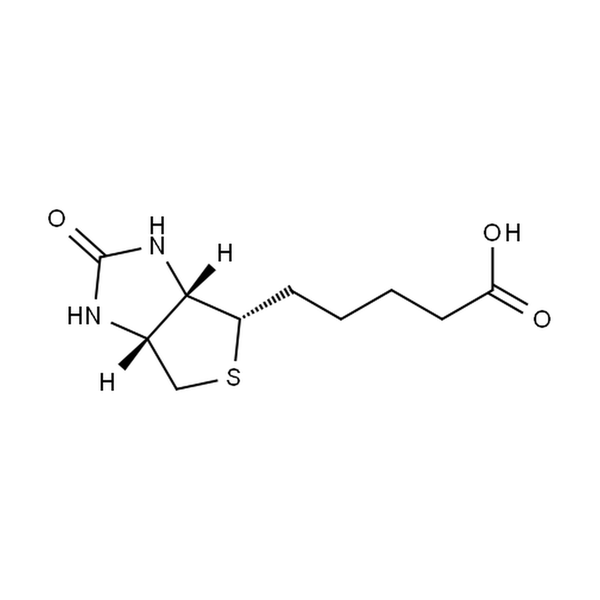
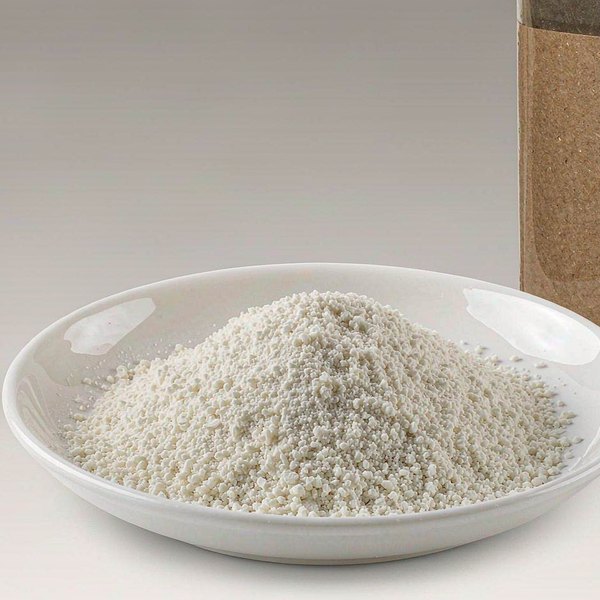
Take riboflavin as an example. The same CAS number covers 80% feed-grade material and 98% material destined for a supplement tablet, and the two are not interchangeable in a formulation even where the assay overlaps. Cyanocobalamin is sold as a 1% trituration on a carrier and as a high-potency crystalline solid, and a buyer who specifies “B12” without saying which will eventually receive the wrong one. Folic acid and biotin carry the same trap in reverse: a 1% biotin trituration priced against a 98% powder is a comparison that cannot be made.

The practical consequence for 2027 contracts is that the grade, the carrier and the assay basis belong in the purchase specification, not in a side email. A quote that does not name them is not comparable with one that does, no matter how the two numbers look side by side.

2. Fermentation actives are priced by titre, not by tonnage

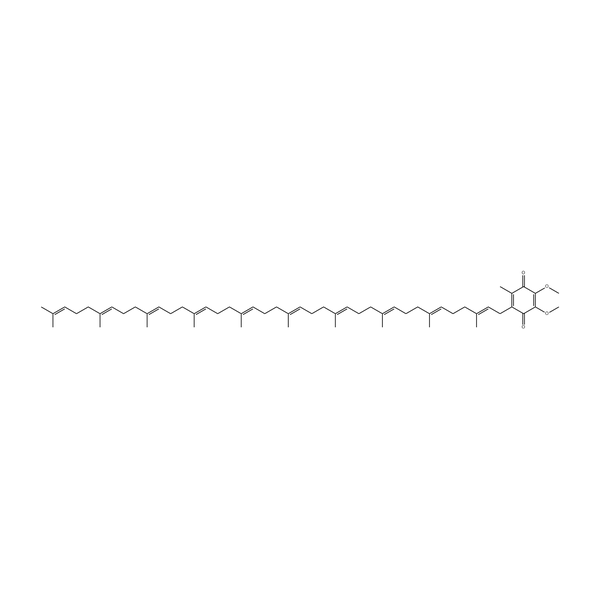
Coenzyme Q10 moved from solvent extraction to yeast fermentation years ago, and the entire cost structure moved with it. The economics of a fermentation plant are driven by titre — how much product a given volume of broth yields — and by the downstream purification that separates CoQ10 from closely related quinones. Neither of those scales the way a chemical synthesis step scales.

This is why CoQ10 capacity announcements do not translate into price relief the way buyers expect. Adding fermentation volume is a multi-year capital project with a biological yield curve in front of it. When demand rises faster than titre improves, the market tightens regardless of how much stainless steel has been installed.

The same logic now governs the NAD-precursor segment. Nicotinamide riboside chloride and nicotinamide mononucleotide are both made through routes where yield and impurity profile are the differentiators, and where the impurity profile is exactly what a supplement brand's own QA will ask about. Requesting the route of manufacture is no longer an unusual question in this segment; it is the first question.

3. Amino acids split into grade tiers that behave like separate markets

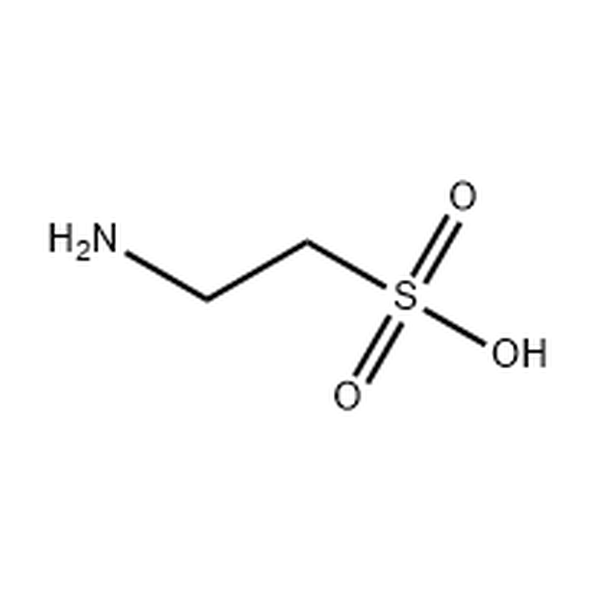
Taurine is the clearest illustration of a molecule that is one chemical and several products. Food grade, USP grade, the Japanese pharmacopoeial grade that energy-drink formulators ask for by name, and feed grade all exist, and the price spread between them reflects analytical and documentation work rather than purity in the abstract. A buyer sourcing for a beverage concentrate and a buyer sourcing for pet food are not in the same market, even though both are quoted “taurine”.

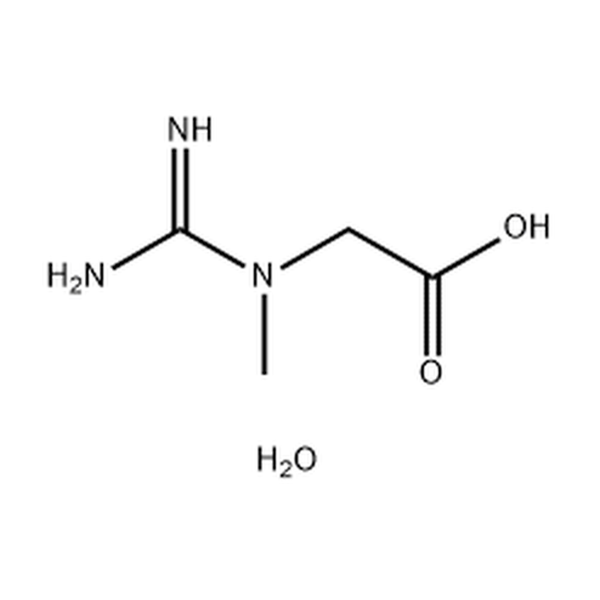
Creatine monohydrate shows the physical side of the same problem. Particle size distribution decides flow, mixing behaviour and mouthfeel in a stick pack, which is why 200 mesh material and 80 mesh material are specified for different applications and priced differently. A contract that specifies creatine monohydrate without a mesh range is a contract with an open door in it.

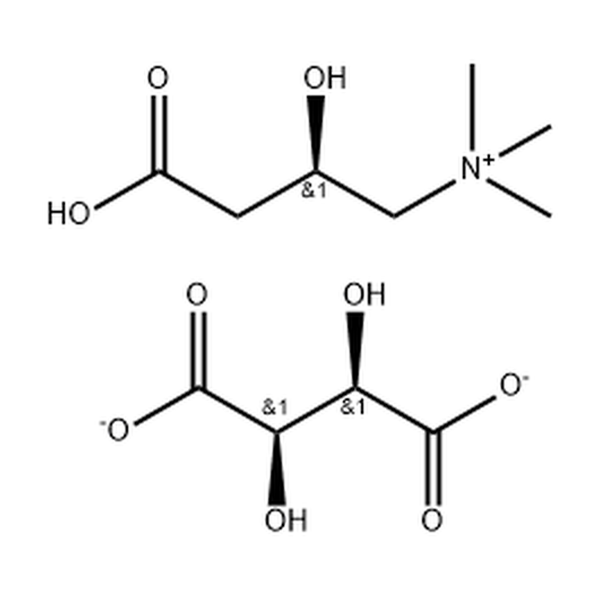
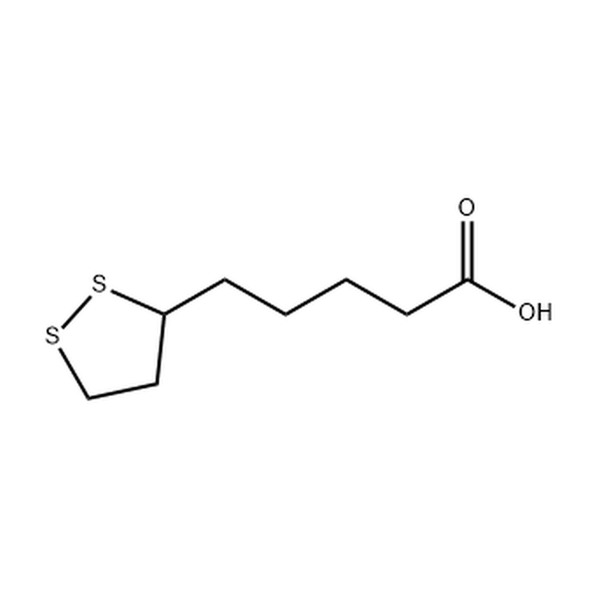
L-carnitine tartrate and alpha lipoic acid sit in the same category of specification-sensitive actives: the assay grade, the residual solvent profile and the particle form all change what the material can be used for, and none of them is captured by a single percentage on a certificate.

4. The paperwork became a supplier-selection criterion, not an afterthought

Regulatory treatment of novel ingredients has tightened across all three major markets, and the effect on sourcing is that documentation now filters suppliers before price does.

In the United States, a dietary ingredient that was not marketed before 1994 requires a new dietary ingredient notification, and the FDA's position on several popular actives has moved them outside the dietary-supplement category altogether — NMN being the most cited example. In the European Union, marketing depends on novel-food authorisation under Regulation (EU) 2015/2283, and an ingredient without a completed authorisation cannot be sold as food regardless of its purity. In China, health-food ingredients are governed by the permitted raw-material catalogue and the relevant GB standards, and the gap between what is permitted and what is technically available is often the real constraint on a formulation.

For a buyer this changes the diligence sequence. The first question is no longer “can you supply it” but “in which markets, under which notification, with which file”. A supplier who cannot answer that question for a given destination is not a cheaper option; they are an option that will fail at the border.

5. Botanicals and sterols: the marker compound is the product

Plant-derived ingredients carry a specification problem that synthetic actives do not. Phytosterol at 95% is a statement about total sterol content, not about the ratio of beta-sitosterol to campesterol to stigmasterol, and different ratios behave differently in a beverage or a margarine system. Botanical extracts are sold both on marker-compound content and on extract ratio, and the two are not convertible: a 10:1 extract says nothing about how much of the active marker is present.

Add the contaminant side — pesticide residues, PAHs, heavy metals, residual extraction solvents — and the certificate becomes the actual product. Buyers who treat the COA as a formality discover the difference at the stability trial, which is the most expensive possible place to discover it.

What to put in the 2027 contract

Specification lineWhy it belongs in the contract
Grade and intended applicationFood, USP, feed and cosmetic grades of the same CAS number are separate markets with separate price levels
Assay basis (as-is vs anhydrous vs dried basis)A percentage without a basis is not a specification; it is a number
Route of manufacture for fermentation activesTitre and impurity profile differ by route and cannot be inferred from the assay
Particle size distribution where relevantMesh range governs flow and mixing; it is not captured by purity
Carrier and trituration ratioA 1% trituration and a 98% powder are not comparable quotes
Market-specific regulatory statusNDI, novel food and GB catalogue positions decide whether the goods can be sold at all
Batch documentation setCOA with method references, residual solvents, heavy metals, microbiology, and a retained sample
Change-control clauseRoute, plant or carrier changes must be notified before shipment, not after

None of these lines is exotic, and none of them requires a new testing method. They require a supplier who can answer them without going away to ask someone else, which is a reasonable proxy for whether the material is being manufactured or merely moved.

Sourcing note

We manufacture and supply coenzyme Q10 (fermentation route, CAS 303-98-0), nicotinamide riboside chloride, taurine in food, USP and feed grades, creatine monohydrate in 80 and 200 mesh, L-carnitine tartrate, alpha lipoic acid, folic acid, vitamin B12 as cyanocobalamin, vitamin B2, biotin and phytosterol, each released against a batch COA with the analytical methods named. The wider range sits under nutraceutical actives, and formulation-level questions are covered under nutraceutical applications.

If you are writing 2027 specifications now, send us the draft specification rather than asking for a price list. We will tell you which lines are ambiguous and which are impossible to verify, and quote against the version that survives that conversation. Samples and specification sheets are available through our inquiry form.

Related News
Leave me a message
X
We use cookies to offer you a better browsing experience, analyze site traffic and personalize content. By using this site, you agree to our use of cookies. Privacy Policy
RejectAccept