CDMO

Energy Drink Formulation: The Ingredients That Decide Taste, Clarity and Shelf Life

An energy drink fails in the bottle long before it fails in a taste panel. The usual culprits are a taurine lot that will not dissolve clear at 0.4% w/v, a sweetener blend that turns bitter after three weeks at 30 °C, or a preservative system sitting above its effective pH. Formulation is a solubility and stability exercise; flavour comes after that is solved.

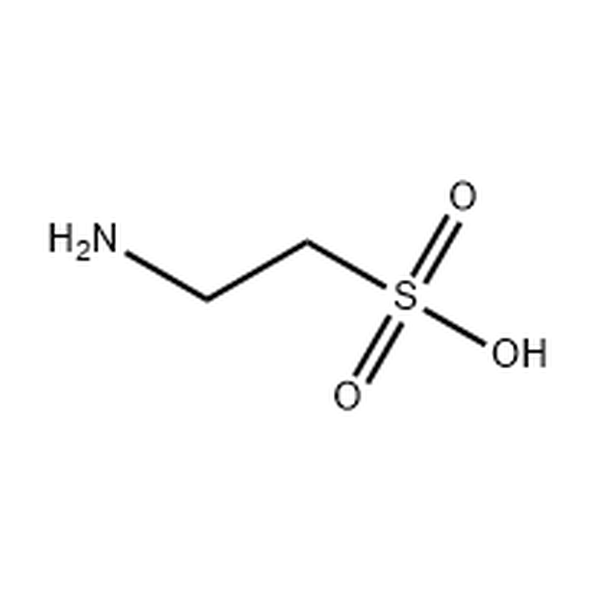
Taurine: grade, solubility and the chloride line

Taurine carries most of the functional story in a 250 ml can at 1000 mg, and it is also the ingredient most often bought on price alone. Two specifications decide whether a lot behaves:

  • Assay 98.5–101.5% on the dried basis. Below 98% usually means residual moisture or sodium chloride carried through the neutralisation step.
  • Clarity at use level — dissolve 4 g in 1 L of the finished beverage matrix, not in pure water. Taurine is freely soluble, but a lot with fine insolubles shows up as haze once the can is chilled.

Request the chloride and sulfate figures with the COA. They are cheap tests and they explain most “off-spec but still 98%” arguments.

B-vitamins: pick the form before the dose

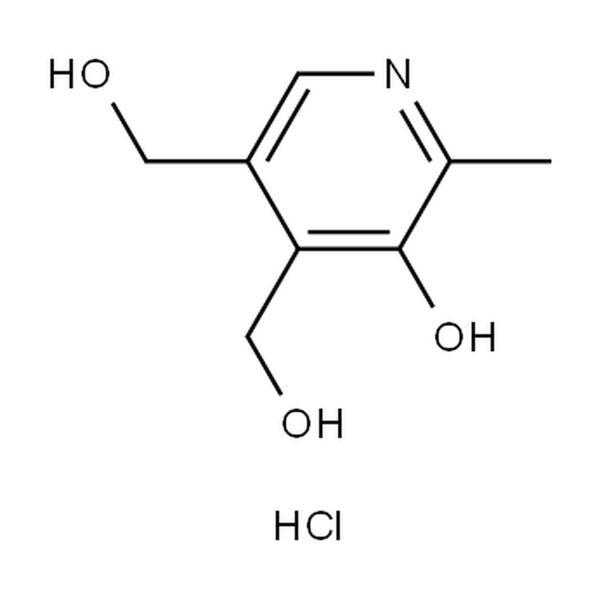
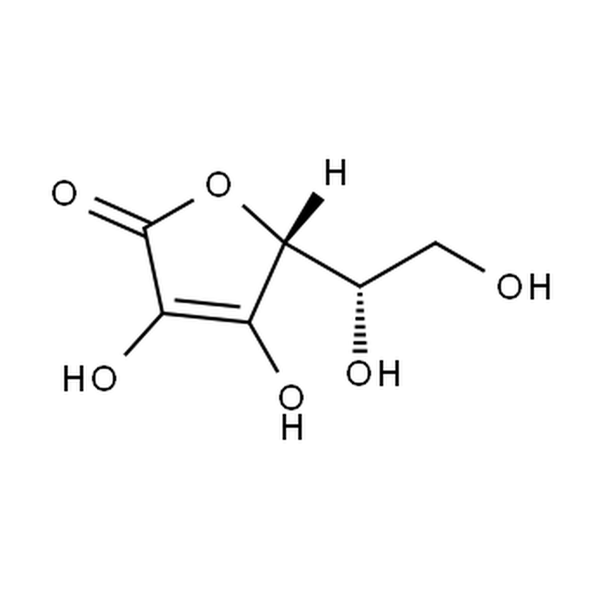
Vitamin B6 (Pyridoxine HCl) is the standard choice for beverage because it is stable in low-pH systems and dissolves cleanly. The alternative forms cost more and buy you nothing in a can. Vitamin C (Ascorbic Acid) is added for label claims, but in a benzoate-preserved drink it is also the reactant in benzene formation — see the preservation section below. If the claim needs vitamin C, keep the level modest and control light and metal exposure.

The sweetener blend: ratio, not just dose

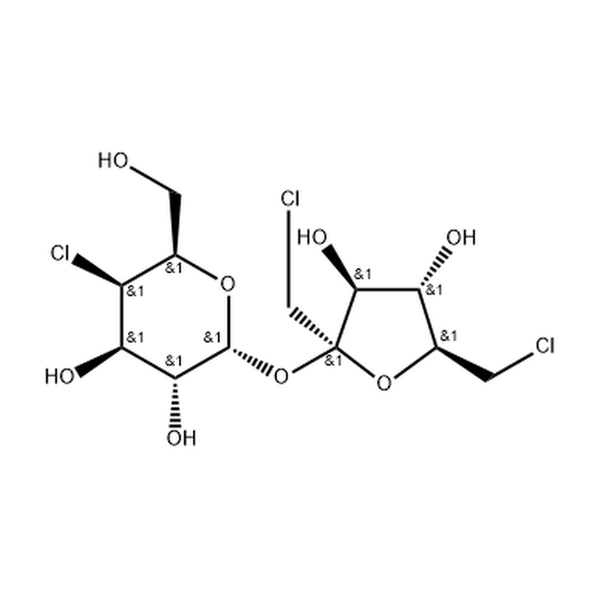
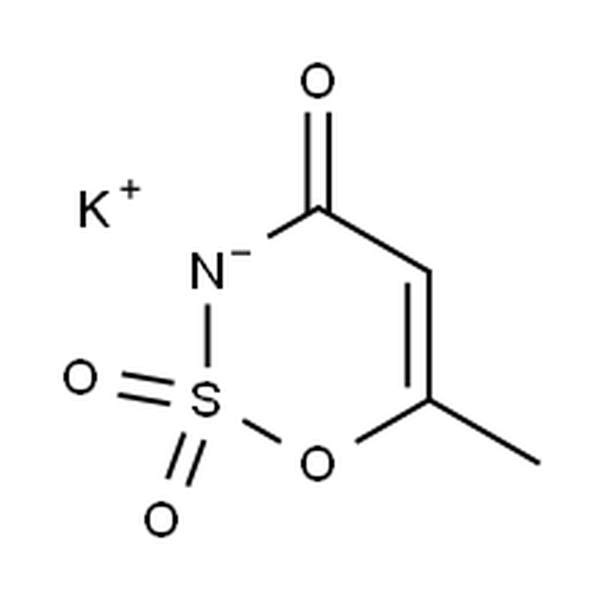
Most zero-sugar energy drinks run a two-component blend because neither sweetener covers the whole curve. Acesulfame Potassium gives an immediate onset but leaves a bitter-metallic tail at higher doses; Sucralose arrives slightly later and holds longer. A 60:40 sucralose-to-acesulfame ratio at a combined 0.03–0.04% w/v is a common starting point, adjusted against the acidulant rather than on its own.

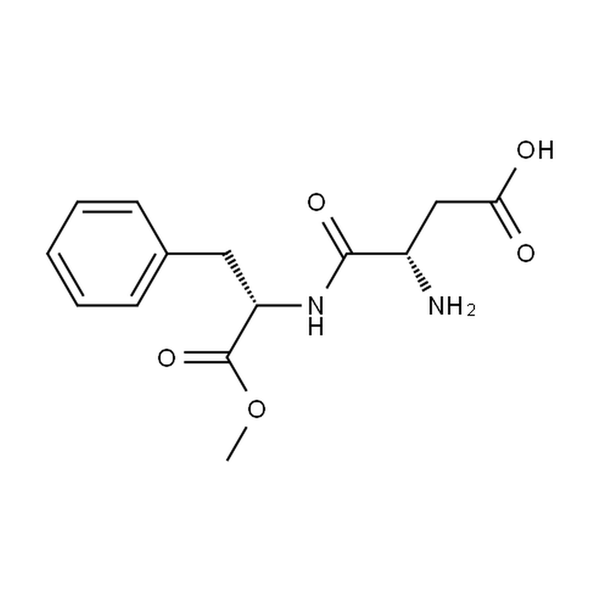
Two practical points: dissolve both before acidification, and never add Aspartame to a low-pH beverage that will be heat-treated — it hydrolyses and the degradation products read as a flat, slightly chemical sweetness.

Acidulant and preservative: the pH decides everything

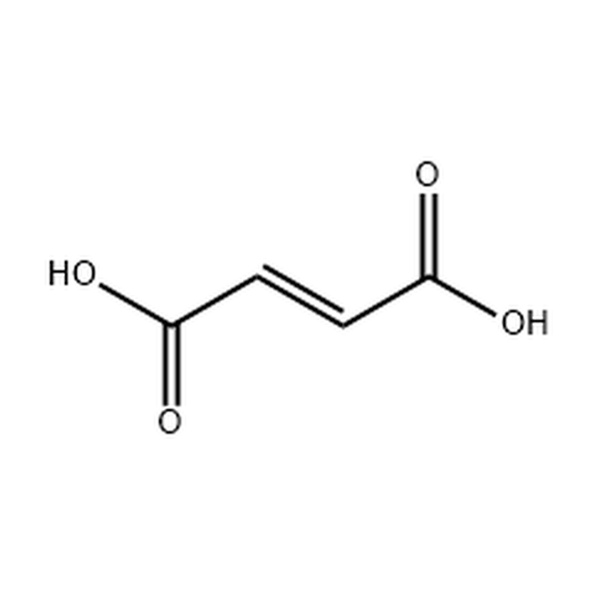
Acidity in an energy drink is a preservative decision as much as a flavour one. Fumaric acid carries more titratable acidity per gram than citric and holds it through pasteurisation, which matters when the target is pH 3.2 and the line runs a hot fill.

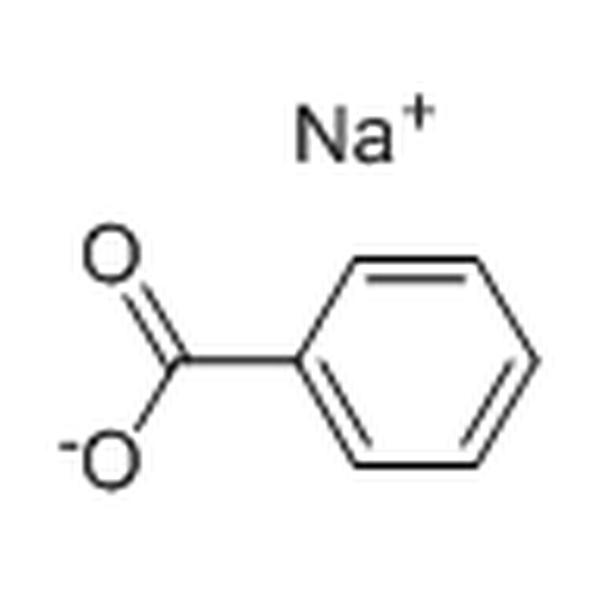
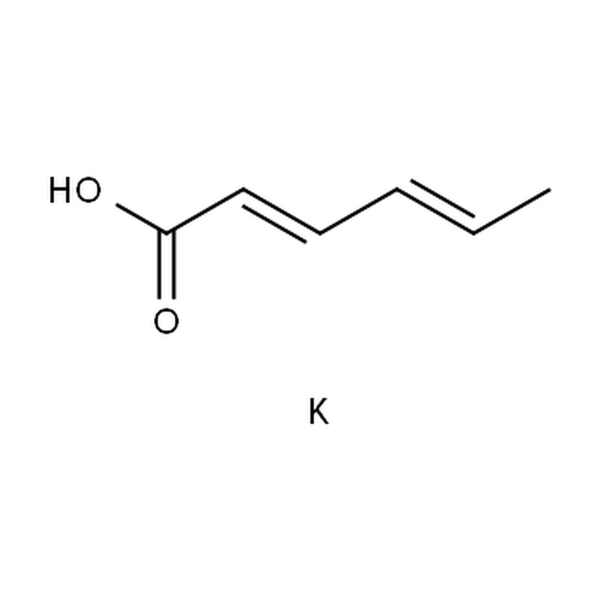
Below pH 4.5, benzoate is largely undissociated and effective; above it, the same dose does very little. Sodium benzoate covers yeast, mould and many bacteria; Potassium sorbate is stronger on yeast and mould and weak on bacteria. A combined 0.02% benzoate plus 0.015–0.02% sorbate is the usual belt-and-braces approach for a shelf-stable can.

One caution that costs real money when missed: benzoate plus ascorbic acid can generate trace benzene, and the reaction is promoted by light, heat and transition metals. Keep ascorbic acid low in benzoate-preserved SKUs, use Sodium erythorbate where an antioxidant is needed without the same pathway, and specify the iron content of your water supply.

Body and suspension

If the formula carries a suspension or a pulp, Xanthan Gum at 0.01–0.03% is enough to hold it without turning the mouthfeel syrupy. Above that the drink reads as “thick” and consumers notice before they taste anything.

What to write into the purchase specification

IngredientKey lines
TaurineAssay 98.5–101.5% dried basis; chloride; clarity at 4 g/L
SucraloseAssay 98.0–102.0%; related substances; methanol-free
Acesulfame KAssay ≥99%; fluoride; free-flowing granular
Sodium benzoateAssay 99.0–100.5%; granular vs powder; chloride
Fumaric acidAssay ≥99.5%; mesh; maleic acid residue

Sourcing note

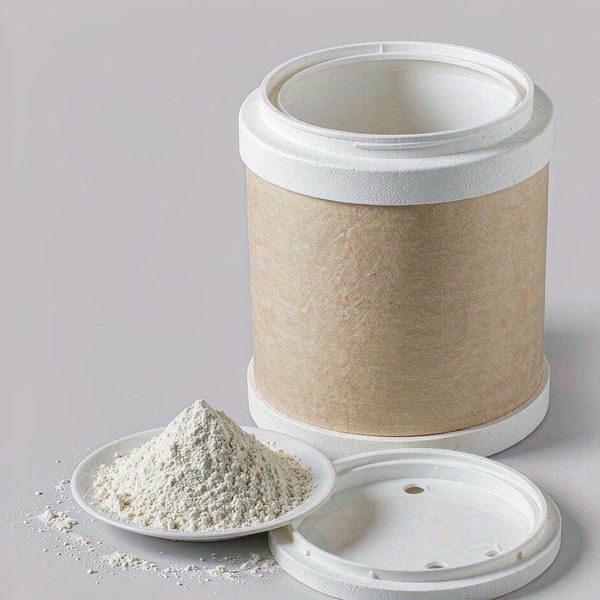
All of the above are supplied as food and beverage grade with a batch COA, 25 kg MOQ and 7–15 working days lead time. Taurine, B6 and the sweetener blend can be quoted as a single beverage kit so the trial compares one lot set instead of five suppliers' paperwork. Samples of each grade are available against a courier account.

Running a trial that predicts the line

A bench trial in deionised water tells you almost nothing about a beverage that will be filled at 88 °C and chilled on a loading dock. Mix the trial at the finished beverage's own water hardness and pH, hold it at 30 °C for four weeks, and check clarity, sweetness drift and preservative assay at day 0, 14 and 28. The usual finding is that the acidulant holds and the sweetener blend moves — which is why the ratio is adjusted last, after the acid is fixed.

For a hot-fill line, also run a single pasteurisation cycle before the storage test. Taurine and the B-vitamins survive it; the volatile top notes of the flavour do not, and a formula balanced before heat treatment will read differently afterwards.

X
We use cookies to offer you a better browsing experience, analyze site traffic and personalize content. By using this site, you agree to our use of cookies. Privacy Policy
RejectAccept